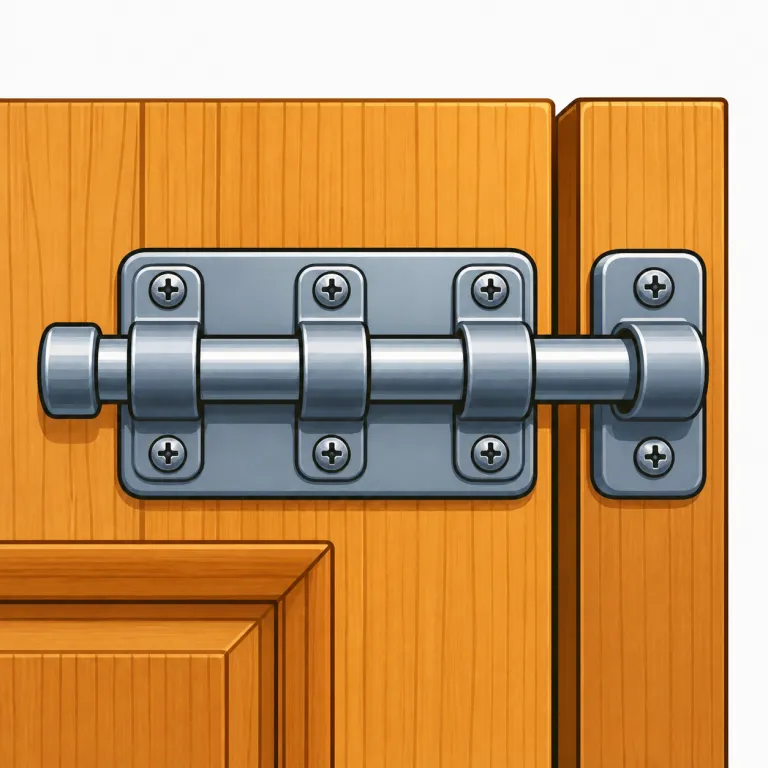
ボルト、かんぬき
解説 Definition
物をしっかり固定するために使う、太い金属の留め具です。また、戸や門を閉めて動かないようにする横棒のことも表します。
A bolt is a strong metal fastener used to hold things together. It can also mean a sliding bar used to lock a door or gate.
覚え方のコツ Memory Tip
bolt は、棒状の金属部品という共通イメージから二つの具体物をまとめて覚えます。機械では、ナットと組み合わせて部品を固定する太い「ボルト」で、tighten the bolt with a wrench「レンチでボルトを締める」が定番です。戸や門では、横へ滑らせて閉じる「かんぬき」を指し、slide the bolt across the door と言います。ねじ回しで回す小さな screw とは区別し、片方はレンチで締め、もう片方は手で横に滑らせるという二場面を並べると混同しにくいです。
Think of a straight metal piece that keeps something from moving. A bolt holds parts together or locks a door in place.
例文
Tighten the bolt with a wrench.
レンチでボルトをしめてください。
She slid the bolt across the door.
彼女はドアのかんぬきを横にすべらせました。
The gate has a strong iron bolt.
その門には丈夫な鉄のかんぬきが付いています。
えいたんごクイズでの正答率
この語をはじめて出題された 30人 のうち 26人 が正解しました(87%)。
えいたんごクイズの回答から集計した独自データです。1人につき最初に出題されたときの1回だけを数えており、復習や2回目以降の回答、「わからない」と時間切れは含みません。 集計時点は 2026年9月19日 です。
突進する
(意味 2)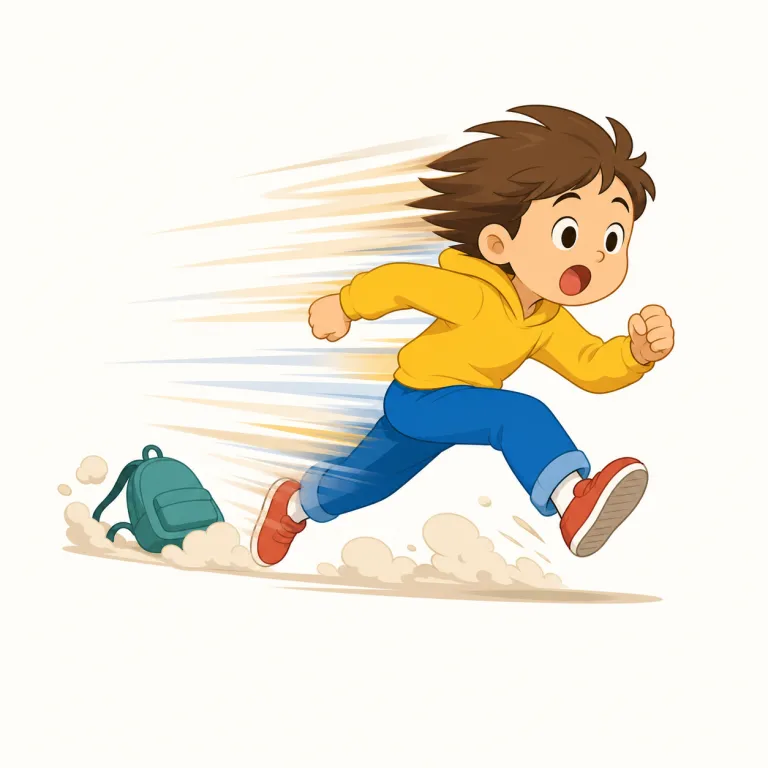
解説 Definition
突進するとは、素早く、勢いよく前に進む、または何かに向かって急いで走ることを意味します。一点に向かって急速に、力強く移動する動作を表します。
To bolt means to run away or move very quickly and suddenly. It is often used when a person or animal leaves because of fear, surprise, or excitement.
覚え方のコツ Memory Tip
bolt はまず「急に飛び出す」と覚えると定着しやすいです。単なる run ではなく、驚いた動物や人が反射的にダッと走る感じで、落ち着いた移動には使いません。bolt out of the room, bolt for the door のように、出口や目標へ一気に向かう場面が典型です。dash も速いですが、bolt のほうが突然さ・制御不能さが強め。名詞の bolt(ボルト、かんぬき)に引っぱられず、動詞では「まっすぐ勢いよく飛び出す」と切り分けると混乱しません。
`Bolt` means more than just run fast. It suggests a sudden, uncontrolled movement from fear or shock, like an animal breaking away. Phrases such as `bolt for the door` or `bolt from a chair` are good memory anchors.
例文
The bull bolted towards the matador.
牡牛は闘牛士に向かって突進しました。
The scared horse bolted across the field.
怖がった馬は野原を一気に駆け抜けました。
He bolted from his chair when he heard the alarm.
警報を聞くと、彼は椅子から勢いよく立ち上がりました。
えいたんごクイズでの正答率
この語をはじめて出題された 33人 のうち 26人 が正解しました(79%)。
えいたんごクイズの回答から集計した独自データです。1人につき最初に出題されたときの1回だけを数えており、復習や2回目以降の回答、「わからない」と時間切れは含みません。 集計時点は 2026年9月19日 です。
逃げ出す
(意味 3)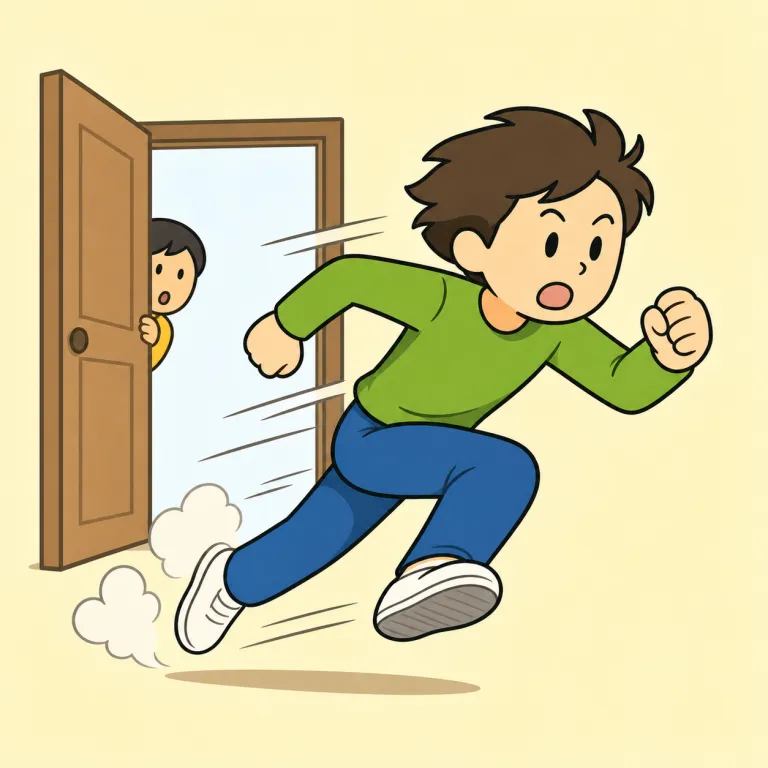
解説 Definition
驚きや恐怖、動揺がきっかけで、その場から突然走って逃げることを表す。人だけでなく、馬などの動物が制御を失って駆け去る場面でもよく使う。落ち着いて立ち去るというより、反射的で急な逃走の響きが強い語だ。
It means to suddenly run away, usually because of fear, surprise, or distress. It often describes a person or animal moving quickly and without calm control.
例文
The horse bolted when it heard the thunder.
馬は雷の音を聞くと急に逃げ出した。
One of the rabbits bolted into the bushes.
ウサギの一匹が茂みへさっと逃げ出した。
He bolted from the room as soon as he saw the smoke.
彼は煙を見るとすぐ部屋から逃げ出した。
かんぬきを掛ける
(意味 4)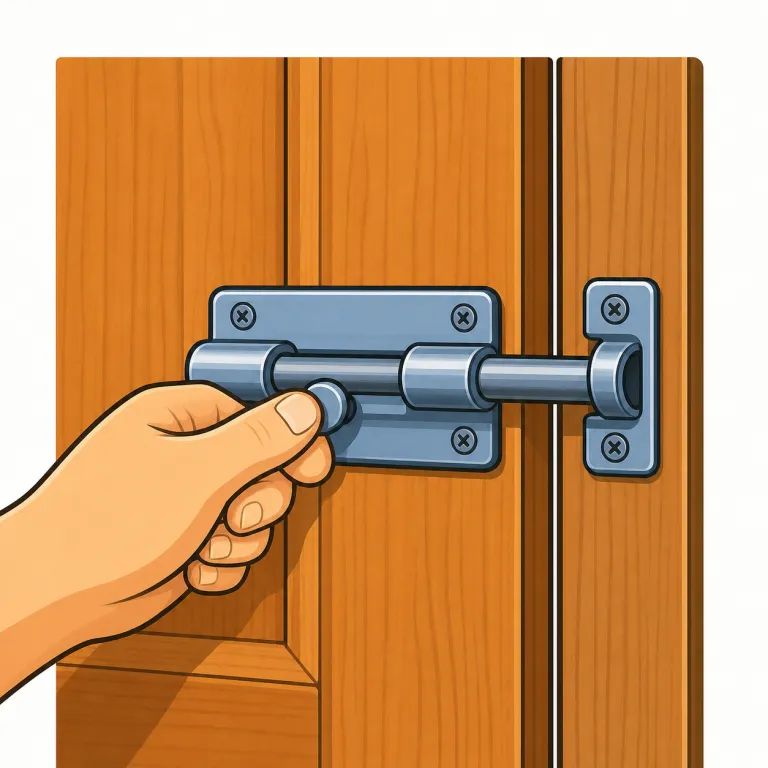
解説 Definition
戸や門などにかんぬきを掛けて、外から開けられないようにしっかり閉めることを表す。単に閉じるだけでなく、防犯や安全のために内側から固定する感じがある。家のドア、門、牢の扉などを対象に使われる。
It means to secure a door or gate with a sliding bar so that it cannot easily be opened. It often suggests firmly fastening an entrance for safety or security.
覚え方のコツ Memory Tip
bolt は「棒でしっかり留める」と覚えると定着しやすいです。名詞の bolt にはボルトだけでなく「かんぬき」の意味があり、それを動詞にすると、ドアや門にかんぬきを掛けて動かないよう固定する感じになります。close よりも防犯・安全のために内側からガチッと閉める響きが強め。bolt the door, bolt the gate のように、戸や門を対象にする場面が典型です。「急に飛び出す」の bolt とは逆に、こちらは動きを止めて閉じ込める語義と切り分けると混乱しません。
A bolt can be the solid bar used to fasten a door or gate. As a verb, bolt the door or bolt the gate means to slide that bar into place and secure the entrance.
例文
She bolted the front door before going to bed.
彼女は寝る前に玄関のドアにかんぬきを掛けた。
The guard bolted the cell door behind him.
看守は後ろで牢の扉にかんぬきを掛けた。
Please bolt the gate when you leave.
出るときは門にかんぬきを掛けてください。
丸のみする
(意味 5)
解説 Definition
食べ物をよくかまずに、急いで一気に飲み込むように食べることを表す。時間がないときや空腹で慌てて食べる場面でよく使う。行儀よく味わう食べ方ではなく、荒っぽく勢いよく片づける響きがある。
It means to eat food very quickly, swallowing it with little or no chewing. It usually suggests a hurried, rough, or impolite way of eating.
覚え方のコツ Memory Tip
bolt は食事では「一気に飲み込む」と覚えると定着しやすいです。単に eat するのではなく、よくかまず、食べ物を口から胃へダッと通してしまう感じです。bolt one's lunch, bolt your food のように、急いで食べる・行儀悪くかき込む場面でよく出ます。「急に飛び出す」の bolt と同じく勢いはありますが、この語義では人が走るのではなく、食べ物を勢いよく飲み込むと切り分けると混乱しません。
Picture food going from the mouth to the stomach in one quick motion. Phrases such as bolt your lunch and bolt your food emphasize speed and little chewing.
例文
He bolted his lunch and went back to work.
彼は昼食を急いでかき込んで仕事に戻った。
Don't bolt your food.
食べ物を急いでかき込まないで。
She bolted her sandwich in two minutes.
彼女はサンドイッチを2分で急いで平らげた。
bolt の類義語・関連語
類義語
対義語
紛らわしい語
bolt を含む表現
句動詞・イディオムなど 2 件。クリックで各表現の詳細へ。
bolt の語源・成り立ち Etymology
古い英語の bolt に由来し、もとは短い矢や棒のような形のものを表しました。そこから、物を留めたり戸を閉めたりするまっすぐな金属の部品を指すようになりました。
Bolt comes from Old English bolt, which referred to a short arrow or rod-shaped object. The meaning developed to include straight metal pieces used for fastening or locking.
同じレベルの語彙をもっと
外部辞書で調べる
この英単語をクイズで覚えよう