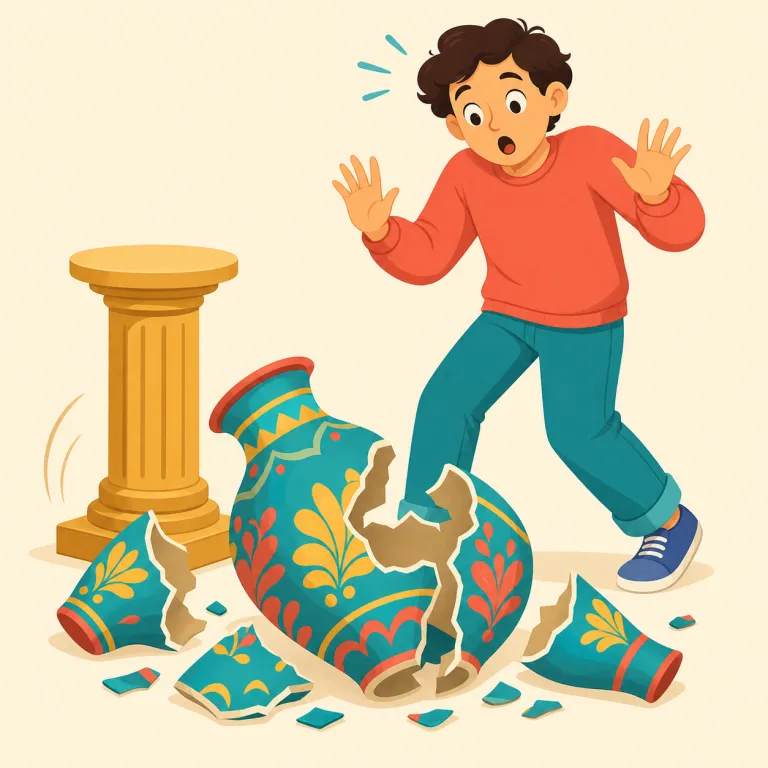
ひどいもの、駄作
noun 名詞口語、特にイギリス英語で、映画・試合・仕事などの出来が非常に悪いものを指す。驚かせる出来事というより、期待を大きく裏切るほどひどい、または不快だという否定的な評価を表す。
人をひどく驚かせたり衝撃を与えたりする出来事、知らせ、結末などを指す名詞。予想外で強い感情反応を引き起こすものについて使われ、口語では「びっくりするような展開」や「衝撃のニュース」の意味でよく用いられる。
A shocker is something surprising or upsetting that strongly affects people. It is often used for unexpected news, events, or results. In informal English, it can describe both bad surprises and very surprising situations in general.
shock を知っていれば覚えやすい語。英語では -er が付くと「〜するもの」になりやすいので、shocker は直感的に「人に shock を与えるもの」= 衝撃的な出来事・知らせ・結末と取れる。人そのものより、ニュース・事実・どんでん返しに使うことが多い。a real shocker, the ending was a shocker の形で場面ごと覚えると定着しやすい。surprise より衝撃が強く、しばしば悪い知らせやスキャンダル寄り。shocking は形容詞、shocker は名詞という区別も一緒に押さえる。
If you know "shock," this is easy: `-er` often means a thing that causes something. So a "shocker" is something that gives people a shock, often news, a fact, or an ending. Compare "shocking" for the adjective and "shocker" for the noun.
The movie's ending was a real shocker that surprised audiences.
その映画の結末は本当に衝撃的で、観客を驚かせた。
The election result was a shocker for many voters.
その選挙結果は、多くの有権者にとって衝撃的な出来事だった。
His sudden resignation was a shocker for the whole team.
彼の突然の辞任は、チーム全体にとって大きな衝撃だった。
文脈によって、次の意味でも使われます。
口語、特にイギリス英語で、映画・試合・仕事などの出来が非常に悪いものを指す。驚かせる出来事というより、期待を大きく裏切るほどひどい、または不快だという否定的な評価を表す。
shocker は shock+-er で、「衝撃を与えるもの」という作りです。shock はフランス語 choc「衝突・打撃」に由来し、もともと体や心への強いぶつかりを表しました。そこから「衝撃的なこと」の意味に。関連語は shock, aftershock。
Shocker is formed from shock plus the suffix -er, meaning "something that shocks." Shock came into English from French choc, meaning a collision or heavy blow. It first suggested a strong physical impact, then also an emotional one. Related words include shock and aftershock.
この英単語をクイズで覚えよう