
堅実な、しっかりした
解説 Definition
形がしっかりしていて崩れにくいという原義から、計画・評判・実力などが確かで信頼できることを表す語。人や組織、成果について、安定感があり堅実で十分にしっかりしているというニュアンスで使われる。
Solid describes something that is firm and not hollow or liquid. It is also used for people, plans, or results that are strong, reliable, and well based. In everyday English, it often suggests quality you can trust.
覚え方のコツ Memory Tip
solid はまず「ぐらつかない」と置くと覚えやすい。物なら hard より「中身が詰まっていて、形が崩れない」感じで、そこから比喩的に a solid plan, solid evidence, solid performance のように、計画・証拠・実力が確かで頼れることを表す。good の言い換えにも見えるが、単なる「良い」ではなく「土台が堅い」という含みがある。strong と近いものの、力強さより安定感・堅実さに重心がある。
Remember `solid` through collocations such as `a solid plan`, `solid evidence`, and `a solid performance`. In all of them, the idea is not flashy, but strong and dependable. It points to quality you can trust because it has real substance.
例文
He has a solid plan for his future.
彼は将来についてしっかりした計画を立てている。
The company has built a solid reputation over twenty years.
その会社は20年かけて確かな評判を築いてきた。
Her solid work ethic impressed all her colleagues.
彼女の堅実な仕事ぶりは、同僚全員に感銘を与えた。
固体の
(意味 2)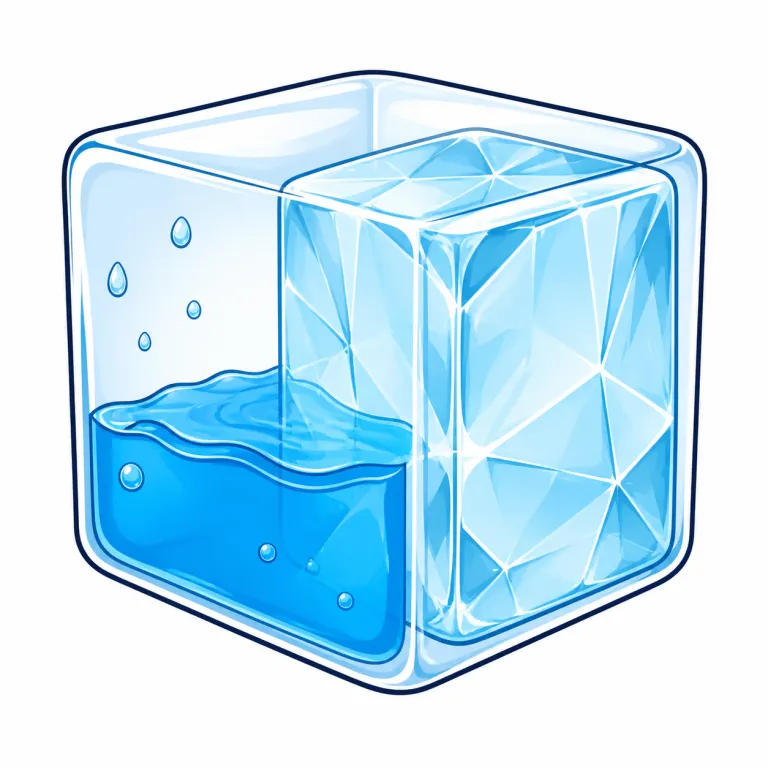
解説 Definition
液体や気体ではなく、形と体積が比較的はっきり保たれている物質の状態を表す形容詞。理科の説明や素材の話でよく使い、solid fuel や solid waste のように名詞の前で使われることが多い。抽象的な「堅実な」ではなく、物理的な状態を述べる語義。
Describing matter that keeps a definite shape and volume rather than behaving as a liquid or gas. It is often used when discussing the physical state of a substance or material.
覚え方のコツ Memory Tip
solid は理科でいう「固体の」と覚えるのが出発点です。水なら ice is solid「氷は固体」、空気のような gas や水のような liquid ではなく、形が保たれる状態です。solid, liquid, gas の三つをセットにして、solid state「固体の状態」という形で覚えると定着します。比喩で「堅実な」の意味もありますが、ここでは物質の状態を表す語です。
Picture ice holding its shape and remember the sentence "Ice is solid." Learn solid alongside liquid and gas, and connect this adjective with the phrase solid state.
例文
Ice is water in a solid state.
氷は水が固体の状態になったものだ。
This soap comes in solid form.
このせっけんは固形だ。
We compared solid materials, liquids, and gases in class.
授業で固体の物質、液体、気体を比べた。
硬い、頑丈な
(意味 3)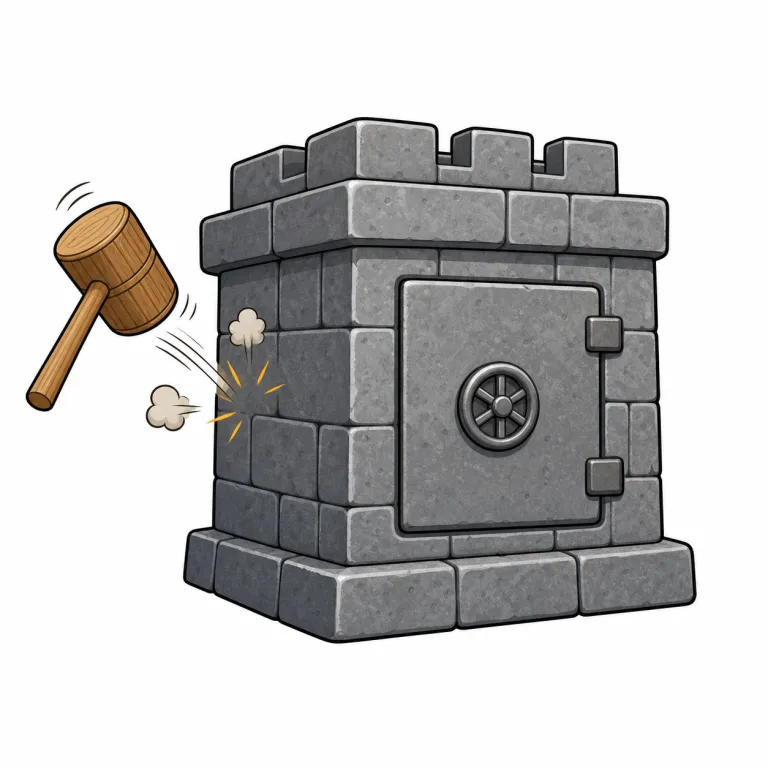
解説 Definition
物が簡単に曲がったりへこんだり壊れたりしないことを表す形容詞。家具・地面・建物などの手触りや作りの強さを述べるときに使い、solid wood や solid wall のように材質や構造の確かさを示すことが多い。物理的な硬さや丈夫さに焦点がある。
Hard or strongly built, so that it does not easily bend, dent, or break. It describes the physical strength and firmness of things such as furniture, floors, or buildings.
例文
The floor feels solid under my feet.
足元の床は硬くてしっかりしている。
We need a solid box to ship the machine.
その機械を送るには頑丈な箱が必要だ。
The bridge still looks solid after the storm.
嵐のあとでもその橋はまだ頑丈に見える。
solid の類義語・関連語
solid の語源・成り立ち Etymology
ラテン語 solidus(堅い・中身が詰まった)から。語根 sol- は「全体の・完全な」を意味し、solder(はんだ)やconsolidate(統合する)と同根。「中が空洞でなく詰まっている」が原義で、そこから「固体の・確かな」の意味が生まれた。
"Solid" comes from Latin solidus, meaning "firm," "whole," or "dense." The earliest sense was of something not hollow or broken, but full and complete. From that physical idea, the word later developed wider meanings such as strong, dependable, or well-built; "consolidate" is related.
同じレベルの語彙をもっと
外部辞書で調べる
この英単語をクイズで覚えよう