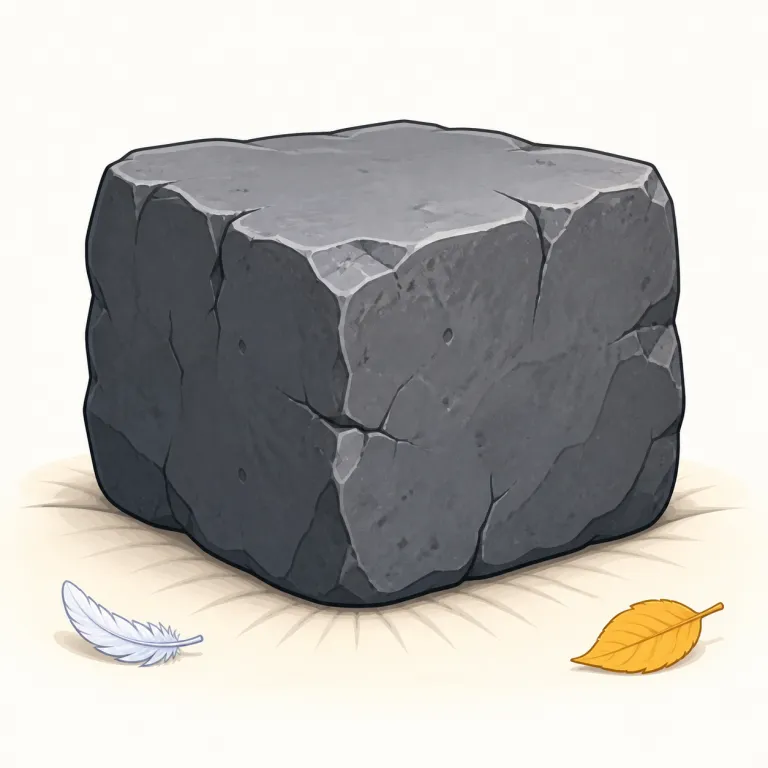
重々しい
解説 Definition
大きくて重い、または堂々とした外観を持つ。質量が大きい、または存在感のある。
Massy describes something that is large, heavy, and solid in form or appearance. It is often used in formal or literary writing for objects, buildings, or shapes that seem dense and weighty. It can also suggest a serious or heavy effect.
覚え方のコツ Memory Tip
mass を「大きなかたまり・量」と知っていれば、massy は「かたまり感があって重そう、どっしりしている」と発想すると覚えやすいです。massive と同じ方向の語ですが、massive のほうがずっと頻出で、「巨大で圧倒的」というスケール感が強め。massy はサイズそのものより、見た目や質感の“重厚さ・塊っぽさ”に意識を向けると区別しやすいです。柱・家具・建物など、固く重そうな物に結びつけると定着します。
Start from `mass`, a big heavy lump. `Massy` means something that feels full of mass, solid, and heavy-looking. Think of a massy stone pillar or a massy wooden table. It is close to `massive`, but `massy` points more to thick, weighty texture than sheer size.
例文
The massy stone walls of the medieval castle have survived centuries of weathering.
中世の城の重厚な石壁は、何世紀にもわたる風化に耐えてきました。
A massy old oak stood in the center of the garden, providing ample shade.
庭の中央にどっしりとした古いオークの木が立ち、十分な日陰を作っていました。
The cathedral's massy architecture inspires awe in all who enter.
大聖堂の堂々とした建築は、入る人すべてに畏敬の念を起こさせます。
massy の類義語・関連語
類義語
対義語
派生語
紛らわしい語
massy の語源・成り立ち Etymology
massy は mass + -y。mass は古フランス語 masse、さらにラテン語 massa「こねた塊」、その奥のギリシャ語 maza「麦の団子」にさかのぼり、「ひとかたまり」が「重々しい」へ伸びた。massive や amass も同じ mass の仲間。
Massy comes from mass with the adjective ending -y. Mass entered English through Old French masse from Latin massa, meaning a lump or kneaded mass, and that goes back to Greek maza, a barley cake or lump. The idea moved from a physical lump or bulk to the sense of being heavy, solid, or weighty; related words include massive and amass.
同じレベルの語彙をもっと
外部辞書で調べる
この英単語をクイズで覚えよう