蒸発性の
解説 Definition
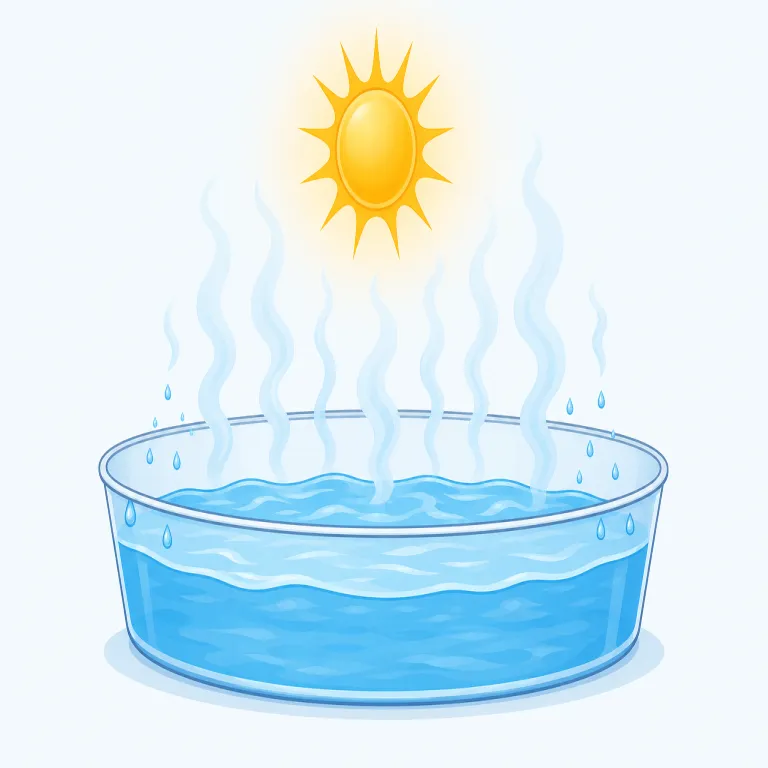
液体が蒸発する性質に関すること。蒸発を利用した冷却などに用いられる。
Evaporative describes something related to evaporation, the process of changing from liquid into vapor. It is often used in science, weather, and technology, such as cooling systems or water loss. The word focuses on the process or effect of evaporation.
覚え方のコツ Memory Tip
vapor が「蒸気」、evaporation が「蒸発」だと分かれば、evaporative はその形容詞版だと整理できます。語尾の -ive / -ative は「〜の性質をもつ」「〜に関する」が多いので、意味を組み立てやすい語です。evaporative cooling, evaporative loss のように、液体が蒸発することで温度が下がる、水分が失われる、といった場面で覚えると定着します。volatile は「揮発しやすい」性質寄りですが、evaporative は蒸発という現象・仕組みに意識が向く語、と区別すると混同しにくいです。
See `vapor` inside `evaporative` and connect it to steam or moisture in the air. The ending `-ive` often means "having the nature of," so this is an adjective about evaporation. It is common in phrases like `evaporative cooling`, where liquid disappears and that causes an effect.
例文
Evaporative cooling systems are commonly used in dry, arid climates.
蒸発冷却システムは、乾燥した気候でよく使用される。
The evaporative process helps reduce the temperature of the surrounding air.
蒸発の過程が周囲の空気の温度を下げるのに役立つ。
Evaporative cooling from sweat helps the body regulate its temperature.
汗の蒸発による気化冷却は、体温の調節に役立つ。
evaporative の類義語・関連語
派生語
evaporative の語源・成り立ち Etymology
ラテン語 evaporare「蒸気として外へ出す」が源で、ex-「外へ」+ vapor「蒸気」+ -ative「〜の性質をもつ」から成ります。原義は「蒸気になって外へ出る性質の」で、evaporation や vapor と結ぶと「蒸発性の」が自然に理解できます。
This word comes from Latin evaporare, meaning "to send out as vapor." It is built from ex- "out" and vapor "steam, vapor," with the adjective ending -ative added later in English. The original idea is of something turning into vapor and going outward, which is also seen in related words like evaporation and vapor.
同じレベルの語彙をもっと
外部辞書で調べる
この英単語をクイズで覚えよう