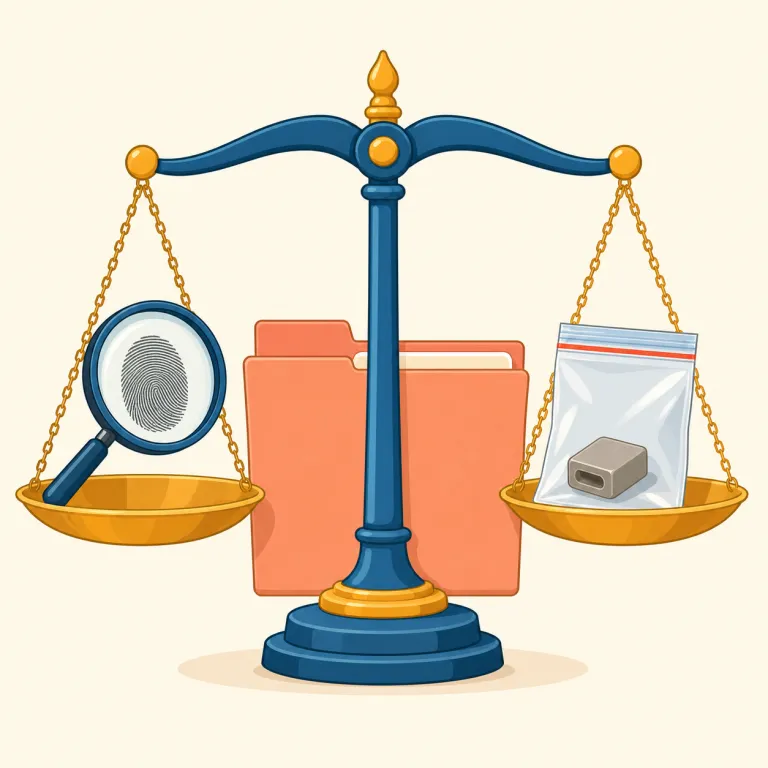
証拠の、証拠に関する
解説 Definition
法律や事実認定の文脈で、証拠に関係すること、または証拠としての価値や効力を持つことを表す語。裁判で採用できる証拠の基準、捜査で集めた証拠資料、文書の証拠価値などを説明するときによく使われ、特に法的な場面で頻出する。
Evidentiary means related to evidence or used as proof. It is most often used in legal and formal contexts when talking about documents, facts, or rules connected to proving something.
覚え方のコツ Memory Tip
まず evidence「証拠」を確実に軸に置く。evidentiary はその evidence を法律・裁判の文脈で形容詞にした語だと見ると覚えやすい。「証拠そのもの」ではなく、「証拠に関する」「証拠としての扱いに関わる」という距離感が大事。trial, court, admissibility, evidentiary hearing など、法廷で証拠の可否や価値を論じる場面と一緒に結びつけると残る。似た形の evident「明らかな」とは分けて、こちらは“明白さ”ではなく“証拠面”に焦点があると整理する。
Anchor it to `evidence`. `Evidentiary` is the adjective used when talking about evidence, especially in law and court settings. Connect it with phrases like `evidentiary hearing` or `evidentiary issue`, and keep it separate from `evident`, which means clear or obvious.
例文
The evidentiary standards in court are very strict.
法廷での証拠基準は非常に厳しい。
The detective collected evidentiary samples at the crime scene.
その刑事は犯行現場で証拠となるサンプルを集めた。
This document has significant evidentiary value for the case.
この文書には、その事件にとって重要な証拠価値がある。
evidentiary の類義語・関連語
類義語
紛らわしい語
evidentiary の語源・成り立ち Etymology
evidentiaryはラテン語evidentia「明白さ」を土台に、-aryが付いた語。さらにe-/ex-「外へ」+ videre「見る」に遡り、「見ればはっきりするもの」がevidenceとなったため、「証拠に関する」の意へ自然につながる。関連語はevidence、evident。
Evidentiary is based on evidence and the adjective ending -ary. Evidence comes from Latin evidentia, from e- or ex-, "out," and videre, "to see," so the original idea was something clearly visible or obvious. From "what can be plainly seen," the sense developed into proof or supporting facts, and evidentiary came to mean "relating to evidence." Related words include evident and vision.
同じレベルの語彙をもっと
外部辞書で調べる
この英単語をクイズで覚えよう