目のない
解説 Definition
目のない。また、盲目の。見ることができない。
Eyeless means having no eyes or appearing to have no eyes. It is often used for animals, imaginary creatures, or objects like statues, and it can sound scientific or descriptive depending on the context.
覚え方のコツ Memory Tip
eye を知っていれば、eyeless は「eye + -less」でかなり素直に読めます。-less は careless, hopeless, harmless などと同じで「〜がない」。この型で覚えると、初見でも意味を組み立てやすくなります。blind が「盲目で見えない」を広く言うのに対し、eyeless はもっと文字通りで、怪物・魚・彫像のように「目そのものがない」描写に出やすい語です。an eyeless creature, eyeless sockets のような見た目の説明と結びつけると定着します。
This one is very clear if you know the pattern eye + -less. Like hopeless or harmless, -less means without. That makes eyeless more literal than blind: not just unable to see, but having no eyes at all.
例文
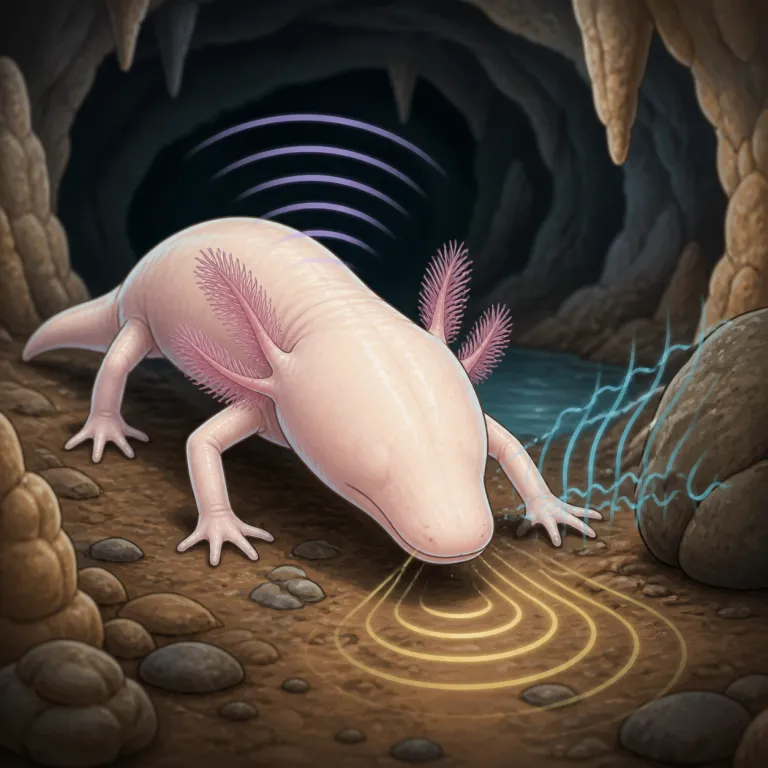
The eyeless creature relied on other senses.
目のない生き物は他の感覚に依存した。
Eyeless fish live in dark caves.
目のない魚は暗い洞窟に住んでいる。
The eyeless statue was mysterious.
目のない像は謎めいていた。
eyeless の類義語・関連語
類義語
派生語
eyeless の語源・成り立ち Etymology
古英語ēage(目)に由来するeyeに、-less(~がない)を付けた形容詞。-lessは古英語lēas(欠いた)から。関連語:eyesight, careless。「目を欠いた」がそのまま意味になった直感的な構造。
This word is formed from eye and the suffix -less, meaning "without." Eye comes from Old English eage, and -less comes from Old English leas, meaning lacking or free from. So the word developed in a direct, transparent way to mean "without eyes" in form and origin. Related words include eyesight and careless.
同じレベルの語彙をもっと
外部辞書で調べる
この英単語をクイズで覚えよう