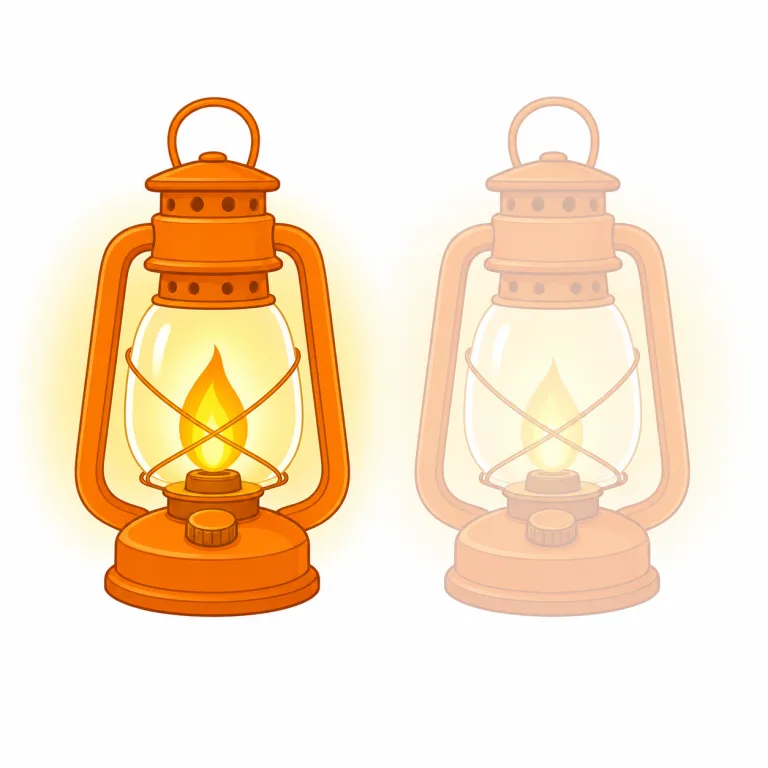
よりかすかな
解説 Definition
音や光、記憶などがより弱く、かすかになったさま。faintの比較級。
Fainter means weaker, less clear, or less noticeable than before or than something else. It can describe sounds, light, colors, smells, or signs that are hard to detect. It is the comparative form of faint.
覚え方のコツ Memory Tip
まず base は faint。「弱い」よりも、音・光・記憶・希望などが“感じ取りにくい、かすかな”に寄る語だと押さえると残りやすいです。fainter はそこに比較級 -er が付いて「もっとかすかな」。a faint light / a faint sound / a faint hope をまとめて覚え、The sound grew fainter. のように“だんだん遠のく”場面で思い出すと定着します。weak は力が弱い、dim は光が暗いで、faint は知覚全体が薄い感じ。
Start with `faint`, which often describes light, sound, hope, or memory when they are hard to notice. Then add `-er` for the comparative form: `fainter` means even weaker or less clear. A useful memory picture is a sound growing fainter as it moves farther away.
例文
The stars grew fainter as dawn approached.
夜明けが近づくにつれ、星はよりかすかになっていった。
His voice became fainter with each passing minute as he grew weaker.
彼は衰弱するにつれ、声が刻一刻とよりかすかになった。
The outline of the mountains grew fainter as the fog thickened.
霧が濃くなるにつれ、山々の輪郭はさらにかすかになった。
fainter の類義語・関連語
派生語
紛らわしい語
fainter の語源・成り立ち Etymology
faint の比較級で、-er は古英語由来の「より〜」を表す接尾辞です。faint は古フランス語を経てラテン語 fingere「形づくる・見せかける」に連なり、「はっきりしない、弱々しい」へ発展したため、fainter は「よりかすかな」と理解できます。関連語は feign, fiction。
"Fainter" is the comparative form of faint, made with the old English ending -er meaning "more." Faint came into English through Old French and is connected to Latin fingere, "to shape" or "to pretend," which also gave English feign and fiction. Over time, the word came to suggest something less clear, less strong, or less distinct, and fainter simply means moving further in that direction.
同じレベルの語彙をもっと
外部辞書で調べる
この英単語をクイズで覚えよう