
faint
faint は英検準1級レベルの英単語で、「かすかな、気が遠くなりそうな」という意味があります。発音記号は /feɪnt/ です。
意味一覧 (2件)
かすかな
解説 Definition
この形容詞は力や程度が弱く、はっきりしない様子を指します。音や光、香りなどが弱くて識別しづらいときに使われます。人の表情や記憶が薄く、わずかにしか印象を残さない場合にも「かすかな」と訳されます。
Faint means weak, not clear, or difficult to notice. It can describe sounds, smells, light, colors, or signs that are only slightly present. It can also describe a person who feels physically weak or close to losing consciousness.
覚え方のコツ Memory Tip
faint は「はっきり感が足りない」とまとめると覚えやすい語です。clear / strong / loud / bright の反対側に置くと、a faint sound は「かすかな音」、a faint light は「ぼんやりした光」、a faint smell は「うっすらした匂い」。人にも使えて a faint smile は「かすかな笑み」、a faint memory は「おぼろげな記憶」。どれも“弱くて識別しにくい”が芯です。同じつづりで動詞は「気絶する」なので、品詞で意味が変わる点にも注意すると混同しにくくなります。
Put `faint` on the opposite side of `clear`, `strong`, `bright`, or `loud`. It often goes with words like `sound`, `light`, `smell`, `smile`, and `memory`, all with the feeling of being weak or hard to notice. Also remember the same spelling can be a verb meaning to lose consciousness.
例文
She heard a faint whisper coming from the other room.
彼女には別の部屋からかすかなささやき声が聞こえた。
The stars were faint in the early evening sky.
夕方の空では星がかすかにしか見えなかった。
He gave a faint smile before leaving.
彼は出ていく前にかすかに笑った。
気が遠くなりそうな
(意味 2)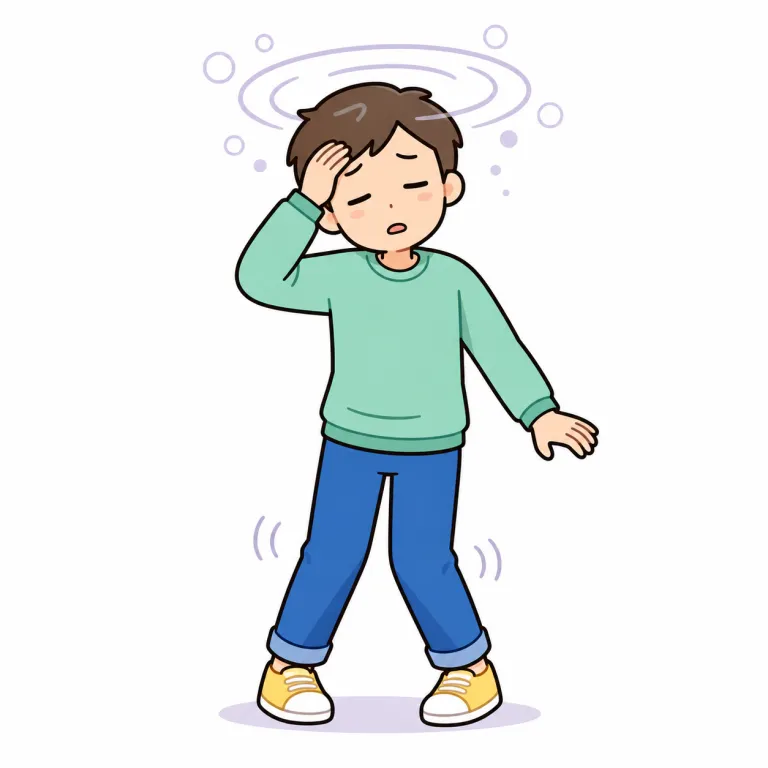
解説 Definition
人が立ちくらみや強い疲れで、今にも倒れそうなほど弱っている状態を表す語です。顔色が悪い、気分が悪い、意識が遠のきそうだという場面でよく使われます。
Feeling so weak or dizzy that you may lose consciousness or collapse. It describes a person's physical condition, for example after standing in heat or going without food.
覚え方のコツ Memory Tip
faint は人について使うと、「体の力や意識が薄くなって、倒れそう」と覚えるとこの語義に合います。I felt faint は音や光がかすかなのではなく、自分の意識が遠のきそうでめまいがする状態。hot sun, hunger, shock, blood などと一緒に出ると、顔色が悪く座り込みたくなる感じです。a faint sound の「かすかな」と芯は同じで“弱い”ですが、人が主語なら「気が遠くなりそうな」と切り分けると覚えやすいです。
Imagine your strength and awareness fading until you need to sit down. Learn the phrase "feel faint" with situations involving heat, hunger, or shock.
例文
I felt faint after standing in the hot sun for hours.
何時間も暑い日差しの中に立っていて、めまいがした。
She looked faint and had to sit down.
彼女は今にも倒れそうで、座らなければならなかった。
He suddenly went faint at the sight of blood.
彼は血を見て急にめまいがした。
faint の類義語・関連語
類義語
対義語
紛らわしい語
faint の語源・成り立ち Etymology
faint は古フランス語 faint を経てラテン語 fingere「形作る・作り上げる」にさかのぼる語で、もとは feign のように「作り事」の感覚もありました。feign や fiction と同根で、実体が薄く力も印象も弱いことから「かすかな」へ広がった語です。
Faint came into English through Old French faint. It goes back to Latin fingere, meaning "to shape" or "form," the same root behind feign and fiction. Earlier forms could suggest something unreal or weakly formed, and the meaning later shifted to "lacking strength" or "hard to notice clearly."
同じレベルの語彙をもっと
英検準1級の一覧へ →外部辞書で調べる
この英単語をクイズで覚えよう