firsthand
直接
解説 Definition
直接に経験した、または個人的に見聞きした情報に基づくという意味の形容詞です。他者を通さない直接的な体験を示します。
If something is firsthand, it comes directly from your own experience or from the original source. It is often used for information, knowledge, or reports that were not passed through other people. This word suggests that the information is more direct and often more reliable.
覚え方のコツ Memory Tip
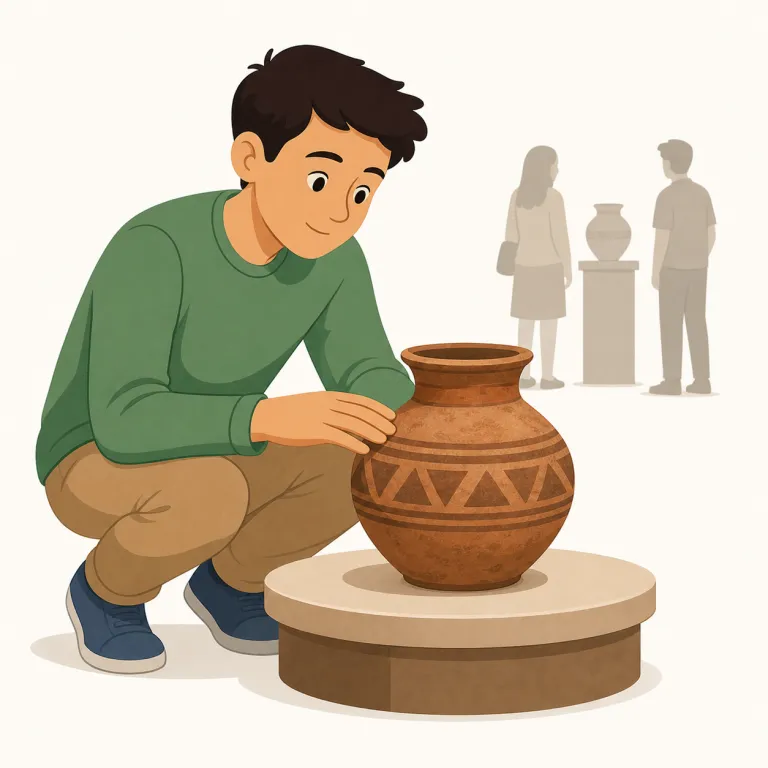
firsthand は first + hand と見て、「最初の手=自分の手でじかに受け取る情報」というイメージを持つと覚えやすいです。人づての secondhand と対比すると定着しやすく、firsthand experience, firsthand knowledge, hear it firsthand のように、体験・知識・証言と一緒に出ることが多い語です。単なる direct よりも『一次情報で、本人が見聞きした確かさがある』というニュアンスを意識すると、使い分けまでまとめて覚えられます。
See `firsthand` as `first + hand`: information that comes to your own hand first. It contrasts well with `secondhand`, which comes through other people. Common pairs like `firsthand experience` and `hear it firsthand` help fix it in memory.
例文
She gave a firsthand account of the accident.
彼女はその事故について、自分が直接見聞きした内容を語った。
Having firsthand experience with this job is valuable.
この仕事を実際に経験したことは貴重です。
He gained firsthand knowledge of the culture during his travels.
彼は旅行中に、その文化をじかに学んだ。
firsthand の類義語・関連語
firsthand の語源・成り立ち Etymology
first は古英語 fyrst、hand は古英語 hand にさかのぼる複合語で、もとは『自分の手で最初に受け取る』という感覚。そこから『直接の・じかに得た』の意味になり、secondhand や handful にも同じ hand の発想が残る。
"Firsthand" is a compound of "first" and "hand," both from Old English. It originally suggested something received or done by one's own hand at the first stage. From that idea, it came to mean something known directly rather than through another person. The same "hand" appears in words like "secondhand" and "handful."
同じレベルの語彙をもっと
外部辞書で調べる
この英単語をクイズで覚えよう