えいたんごクイズ

fleer

/flɪr/

意味一覧 (2件)

verb

あざわら

解説 Definition

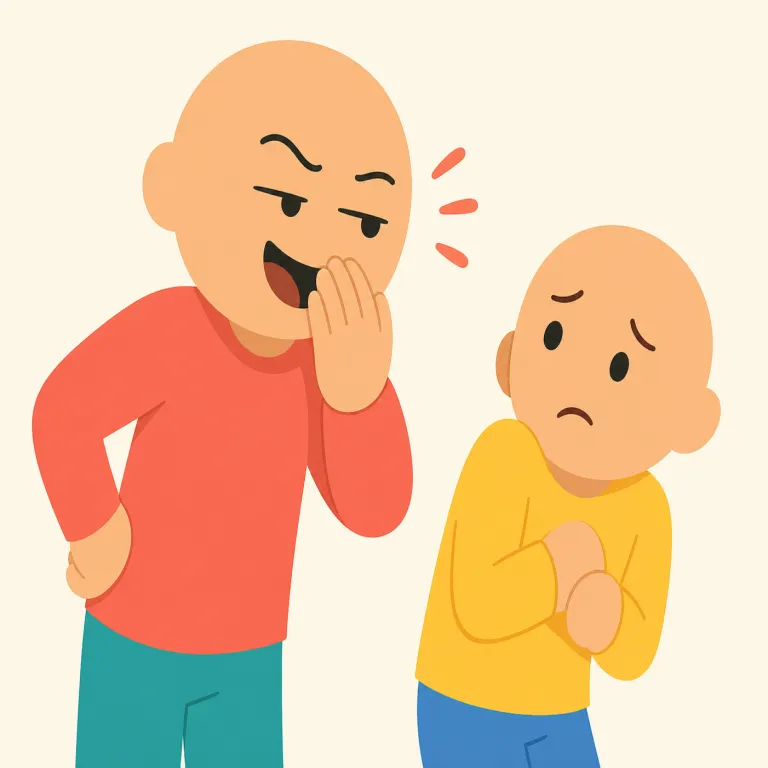
相手の発言・失敗・真剣な努力などに向けて、見下す気持ちを込めて笑う動詞。声に出す笑いだけでなく、鼻で笑うような態度にも使え、現代では文学的・古風な響きがあります。

To fleer means to laugh at someone or show scorn in a mocking way. It suggests open, unkind amusement rather than friendly laughter. This is a literary or old-fashioned word, and modern English more often uses words like "mock" or "sneer."

覚え方のコツ Memory Tip

fleer at ~ の形を軸に、「~をまともに受け取らず、軽蔑して笑う」と覚えると使いどころが見えます。単なる laugh at より意地悪で、冗談として笑う場面には不向きです。sneer に近いですが、fleer はやや古風で、人物の高慢さや冷たさを描写する小説的な語感があります。名詞 fleer「あざ笑い」は、その表情や声を名詞化したものと考えると整理しやすいです。

Remember it with `sneer` and `jeer`, not with `flee`. A `fleer` gives a cold, mocking smile instead of shouting. Think of the pattern `fleer at someone` to fix the word in context.

例文

The crowd began to fleer at the comedian's poor performance.

群衆は喜劇俳優の悪いパフォーマンスに嘲笑した。

He fleered at the suggestion dismissively.

彼はその提案を嘲笑した。

The audience fleered when the actor forgot his lines.

俳優が彼のセリフを忘れたとき、聴衆は嘲笑した。

noun

あざわら

(意味 2)

解説 Definition

人をばかにする冷たい笑い、またはその嘲るような表情を指す名詞。具体的な一声・一瞥として描かれることが多く、会話よりも物語や詩的な文体で、人物の軽蔑や悪意を示します。

A fleer is a cold, mocking laugh or a facial expression that shows scorn. It often refers to one small moment, such as a brief sound or a look on someone's face, rather than open conversation. The word is more common in literary or poetic writing, where it helps describe a person's cruelty, contempt, or malice.

覚え方のコツ Memory Tip

名詞 fleer は「笑いそのもの」より、口元に浮かぶ侮りのサインとして覚えると区別しやすいです。a fleer on his face なら、楽しさではなく相手を下に見る表情が前面に出ます。leer「いやらしい目つき」と一字違いですが、fleer は性的な視線ではなく嘲りの笑いです。動詞 fleer「あざ笑う」は、この名詞的な表情・声を行為として述べる形だと考えられます。

Think of fleer as the sign of mockery on someone's face, not just any kind of laughter. If you read a phrase like a fleer on his face, the focus is on a contemptuous expression that looks down on someone. It is easy to confuse with leer, but leer suggests a sexual or unpleasant look, while fleer is about scornful laughter. The verb fleer means to show or give that same mocking expression.

例文

There was a fleer on his face when I gave the wrong answer.

私が答えを間違えたとき、彼の顔にはあざ笑いが浮かんでいた。

Her quiet fleer made it clear that she did not respect the new manager.

彼女の静かなあざ笑いで、新しい上司を見下しているのがはっきりわかった。

In the novel, the prince replies with a fleer instead of a kind word.

その小説では、王子は優しい言葉の代わりにあざ笑いで返す。

fleer の語源・成り立ち Etymology

fleer は中英語 fleren、さらに古ノルド語 flira「にやつく・あざ笑う」にさかのぼる語です。分解しにくい語ですが、fleering や北欧語 flire も同系で、『口元をゆがめて笑う』動作がそのまま嘲笑の意味になったと考えると伝わります。

Fleer comes from Middle English fleren, probably from Old Norse flira, meaning "to grin" or "to mock." It is related to forms like fleering and Scandinavian flire. The idea seems to have moved from a twisted or sneering smile to open mockery.

外部辞書で調べる

この単語をシェア

この単語を英単語クイズで覚えよう