曖昧にする、混乱させる
verb 動詞問題の核心や人の思考・記憶を曖昧にし、理解や判断を難しくしていることを表す。fogging the issue のように用い、物理的にガラスなどが曇る場合とは区別される。
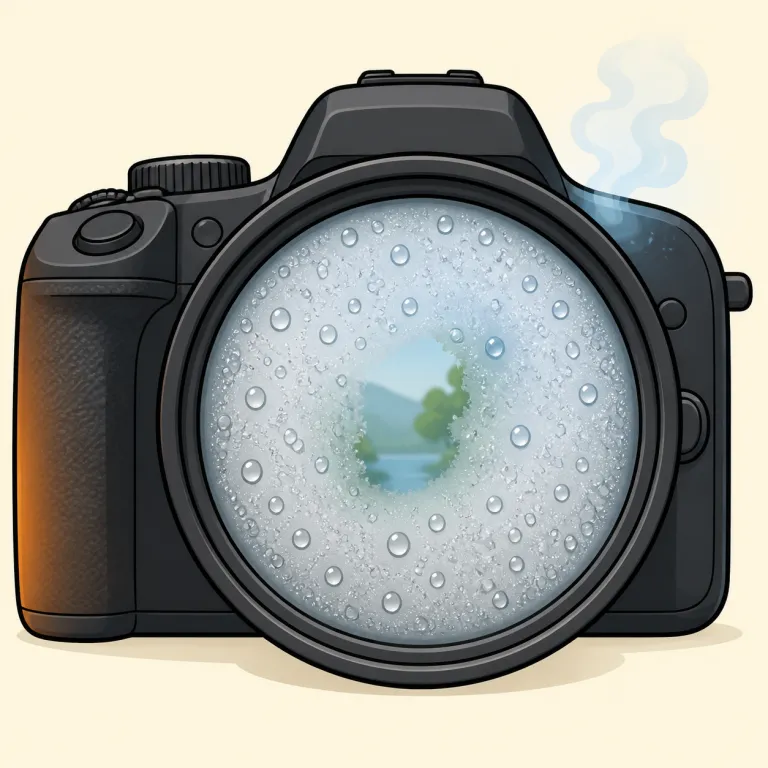
レンズやガラスの表面が白く曇ったり、水滴が付いて見えにくくなったりする現象を指す。温度差や湿気によって起こることが多く、写真撮影や観察、機器の使用に支障を与えることがある。
Fogging is the condition in which a surface like glass or a lens becomes cloudy because of tiny drops of water or a thin film. It commonly happens when there is moisture or a change in temperature. The word is often used for glasses, camera lenses, mirrors, and windows.
fog を知っていれば覚えやすい語。まず fog=霧・ぼんやり見えにくい状態を思い出し、-ing で「その現象・その状態になること」と捉えると、レンズやガラスが白く曇る場面に直結する。camera lens fogging, window fogging, anti-fog などの組み合わせで覚えると定着しやすい。blur は像そのものがぼやける感じ、fogging は表面に曇りや水滴が出て見えにくくなる感じ、と区別すると混同しにくい。
Start from `fog`: when there is fog, you cannot see clearly. `Fogging` is that same cloudy effect happening on glass or a lens, as in `lens fogging` or `window fogging`. It helps to contrast it with `blur`: `blur` is an unclear image, while `fogging` is a cloudy surface.
Fogging on camera lenses can ruin photography and must be prevented.
カメラのレンズの曇りは写真を台無しにしかねないため、防ぐ必要があります。
Fogging on the microscope lens made it difficult to see the tiny cells.
顕微鏡レンズの曇りのせいで、小さな細胞が見えにくくなりました。
Moisture inside sealed containers can cause fogging on glass surfaces.
密閉容器の内部の湿気は、ガラス表面の曇りを引き起こすことがあります。
文脈によって、次の意味でも使われます。
問題の核心や人の思考・記憶を曖昧にし、理解や判断を難しくしていることを表す。fogging the issue のように用い、物理的にガラスなどが曇る場合とは区別される。
写真フィルムや画像に意図しない灰色の膜のような濃度が生じ、鮮明さやコントラストが失われる現象をいう。光漏れや不適切な現像などが原因で、レンズ表面の結露とは異なる。
fogging は fog に動作名詞の -ing が付いた形です。fog は古ノルド語系の「湿った霧」に由来し、核は「ぼんやり覆って見えなくする」感覚で、表面を薄く曇らせる現象へ自然につながります。foggy や befog も同根です。
Fogging comes from fog with the noun ending -ing. Fog is probably from a Scandinavian source, linked to the idea of thick, wet air that hides things from view. From that basic sense of covering and blurring, fogging came to mean the forming of a cloudy layer on a surface. It is related to foggy and befog.
この英単語をクイズで覚えよう