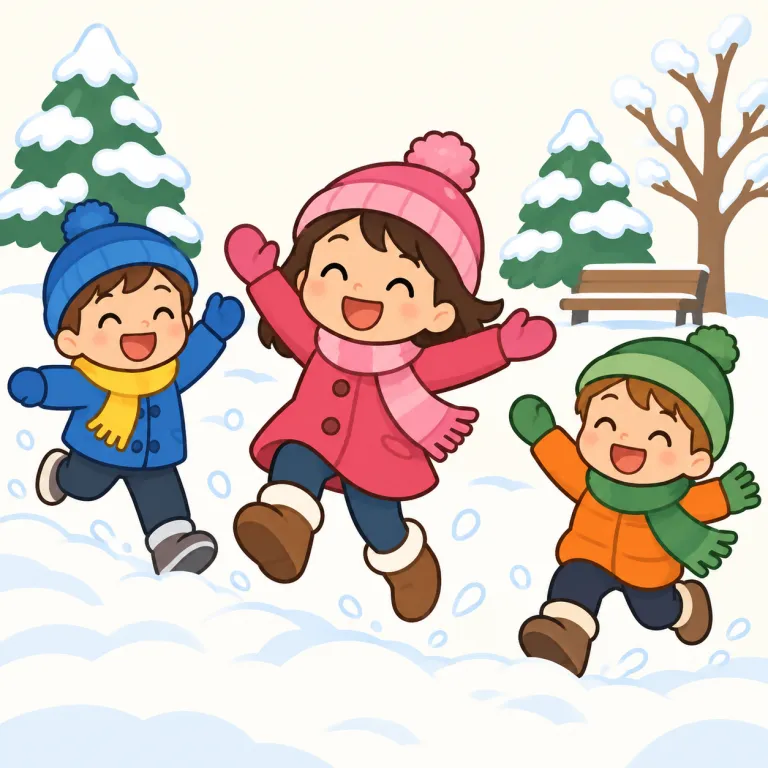
はしゃぐ
解説 Definition
frolicking は frolic(はしゃぐ、陽気に遊び回る)の動名詞・現在分詞です。名詞としては、子どもや動物などが楽しそうに跳ね回ったり遊んだりすることを表します。
Frolicking is the activity of playing, moving, or jumping about in a lively and cheerful way, especially by children or animals. As a noun, it refers to such playful behavior rather than to one specific jump or game.
覚え方のコツ Memory Tip
frolickingは原形frolic「陽気に遊び回る」の動名詞・現在分詞です。frolicは語末がcなので、-ingの前にkを補ってfrolickingとし、cの音を/k/に保ちます。children frolicking in the snowのように、子どもや動物が跳ね回る楽しい場面と結び付けましょう。
Frolicking comes from the verb frolic, meaning to play or move about cheerfully. Because frolic ends in c, English adds k before -ing, producing frolicking and preserving the final /k/ sound. Picture children frolicking in the snow or puppies frolicking in a park: the word suggests lively, carefree movement rather than an organized game. The pattern “enjoy frolicking” helps identify it as a gerund, while “children are frolicking” shows its participial use. Link both forms back to the base verb frolic.
例文
The children enjoyed frolicking in the snow.
子どもたちは雪の中ではしゃいで楽しみました。
Their frolicking in the park continued until sunset.
公園での彼らのはしゃぎ回りは日没まで続きました。
The teacher smiled at the students' frolicking during the picnic.
先生は遠足中にはしゃぐ生徒たちを見てほほえみました。
frolicking の類義語・関連語
frolicking の語源・成り立ち Etymology
オランダ語vrolijk(陽気な)が英語に入りfrolicとなり、その現在分詞形。vro-は古高ドイツ語frō(喜ばしい)に由来し、英語のfro(古語で「喜び」)と同根。関連語:frolic(はしゃぐ)、merry。「陽気に跳ね回る」という原義が現代の意味にそのまま残っている。
Frolicking is formed from frolic plus -ing, with k inserted after final c according to the spelling pattern also seen in words such as panicking. Frolic entered English through Dutch vrolijk, meaning “merry” or “cheerful,” and first functioned as an adjective before developing noun and verb uses. The modern -ing form can denote either the activity itself or an action in progress.
同じレベルの語彙をもっと
外部辞書で調べる
この英単語をクイズで覚えよう