gaiety
gaiety はTOEIC 860・TOEFL 80・IELTS 6.5レベルの英単語で、「陽気さ」という意味があります。発音記号は /ˈɡeɪəti/ です。
陽気さ
解説 Definition
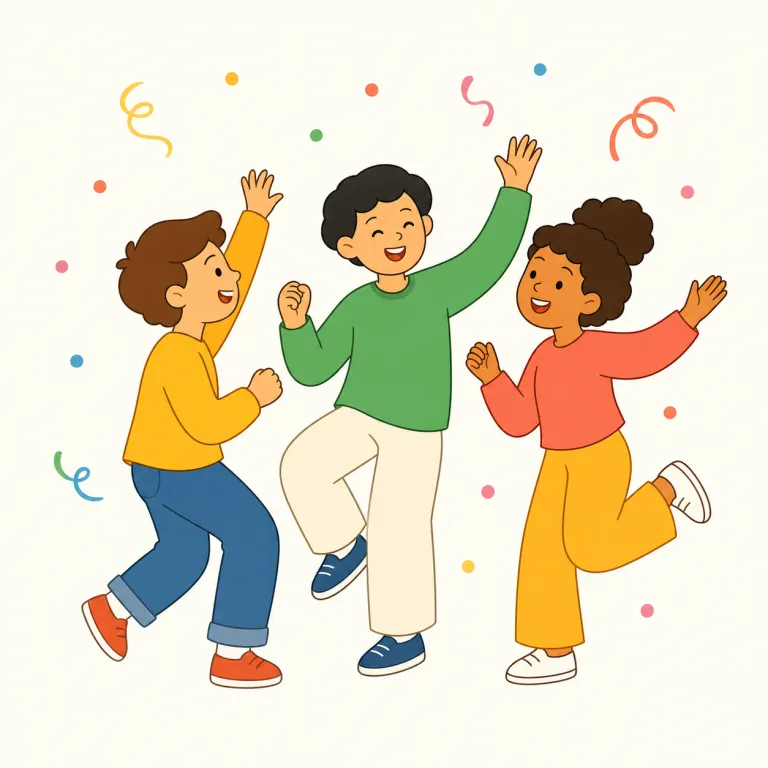
楽しさや陽気さの状態、または幸福感のことです。喜びに満ちた気分や明るい雰囲気を指します。
Gaiety means a feeling or atmosphere of lively happiness and enjoyment. It is often used for social events, celebrations, or cheerful behavior. This word is a little formal and is more common in writing than in everyday conversation.
覚え方のコツ Memory Tip
gaiety は「その場に広がる陽気さ」をまとめて言う名詞。個人の一瞬の joy より、party や festival の明るくはずむ雰囲気を思い浮かべると定着しやすい。cheerfulness よりやや華やかで、merriment に近いが少し上品な響き。形容詞 gay は現代では別の意味で使われることが多いので、そこから無理に意味を取るより「laughter, music, celebration と一緒に現れやすい語」として覚えると混同しにくい。with gaiety, scenes of gaiety などの形で見ると残りやすい。
Think of gaiety as the bright mood that fills a party, festival, or celebration. It is not just personal joy; it feels social, lively, and a little elegant. Remember it with words like laughter, music, and celebration.
例文
The festive party was filled with gaiety and laughter.
そのにぎやかなパーティーは、陽気な雰囲気と笑い声に満ちていた。
The gaiety of the carnival atmosphere lifted everyone's spirits.
カーニバルの陽気な雰囲気が、皆を明るい気分にした。
Despite the sad news, she tried to maintain an air of gaiety.
悲しい知らせを受けても、彼女は陽気に振る舞おうとした。
gaiety の類義語・関連語
gaiety の語源・成り立ち Etymology
gaiety はフランス語 gaieté に由来し、gai「陽気な、晴れやかな」からできた名詞です。gai はおそらくフランク語系にさかのぼり、語尾 -ety は「性質・状態」を表します。つまり「陽気であること」そのものが「陽気さ」になった語です。関連語は gay, gaily。
Gaiety came into English from French gaiete or gaieté, formed from gai, meaning "cheerful" or "bright." Gai probably goes back to a Germanic source, possibly Frankish. The ending shows a state or quality, so the word originally meant the state of being cheerful. Related English words include gay and gaily.
同じレベルの語彙をもっと
TOEIC 860の一覧へ →外部辞書で調べる
この英単語をクイズで覚えよう