引き寄せられること、傾倒
noun 名詞人や物が、ある場所・活動・考えなどへ自然に引き寄せられていく傾向や過程。gravitation toward または gravitation to の形で使われ、物理的な重力ではなく、関心・人口・支持などの移動や傾きを表す。
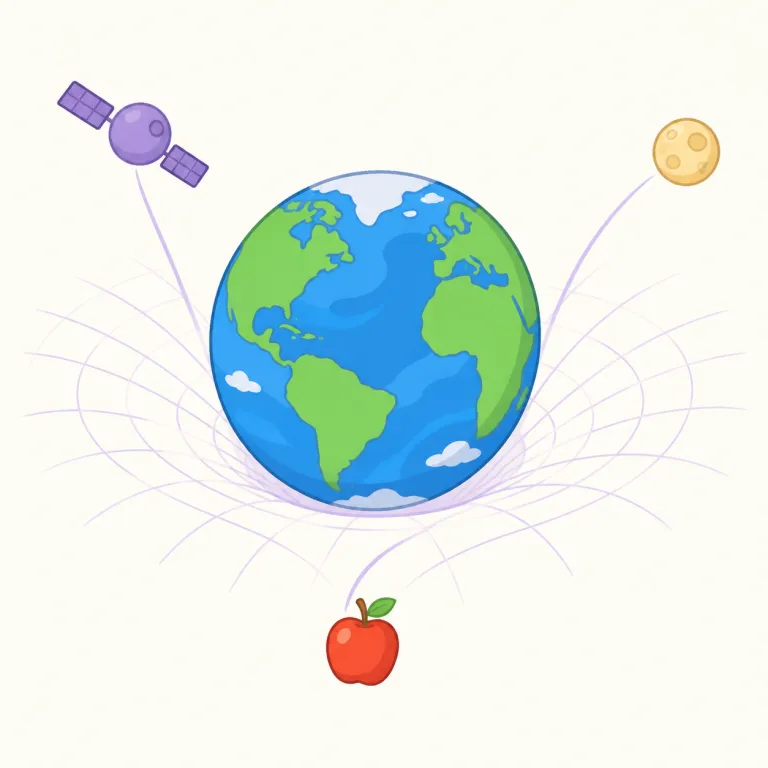
gravitation はTOEFL 80・IELTS 6.5レベルの英単語で、「重力」という意味があります。発音記号は /ˌɡrævəˈteɪʃən/ です。
物体を引き寄せる力、重力。地球上では物を下に引っ張り、宇宙では天体間に作用する基本的な自然力。
Gravitation is the force that pulls objects toward each other, especially toward the Earth. It is a scientific word related to physics and space. In many everyday situations, people more often say gravity.
gravity を知っていれば、その“働き”を少しかたく言った語が gravitation。-ation は action, creation などと同じく「作用・現象」を表す名詞語尾なので、「gravity という力が実際に引き寄せる現象全体」とつなげると覚えやすい。日常的には gravity、理科や説明文では gravitation が出やすい。law of gravitation, universal gravitation の形でも頻出。重さそのものではなく、物体どうしを引っぱる力だと意識すると定着する。
If you know gravity, gravitation is easier. The ending -ation often names an action or process, so gravitation is the pulling action itself. Gravity is more common in everyday English, but gravitation appears more in science writing. Phrases like law of gravitation can help you remember it.
Gravitation is the force that keeps planets in orbit around the sun.
重力は、惑星を太陽の周りの軌道に保つ力である。
The law of gravitation explains planetary motion.
重力の法則は惑星の運動を説明する。
Without gravitation, the universe would not exist as we know it.
重力がなければ、宇宙は私たちが知っているような形では存在しないだろう。
文脈によって、次の意味でも使われます。
人や物が、ある場所・活動・考えなどへ自然に引き寄せられていく傾向や過程。gravitation toward または gravitation to の形で使われ、物理的な重力ではなく、関心・人口・支持などの移動や傾きを表す。
gravitation は近代ラテン語 gravitare からで、さらにラテン語 gravis「重い」にさかのぼります。語根 grav- は「重さ」を表し、gravity や aggravate と同根。物が重さゆえに中心へ引かれるという発想が、そのまま「重力」です。
Gravitation comes from modern Latin gravitare, based on Latin gravis "heavy." The root grav- carries the idea of weight or heaviness, which also appears in gravity and aggravate. The word developed from the notion that heavy bodies tend to move toward a center. That idea later became the scientific term used in physics.
この英単語をクイズで覚えよう