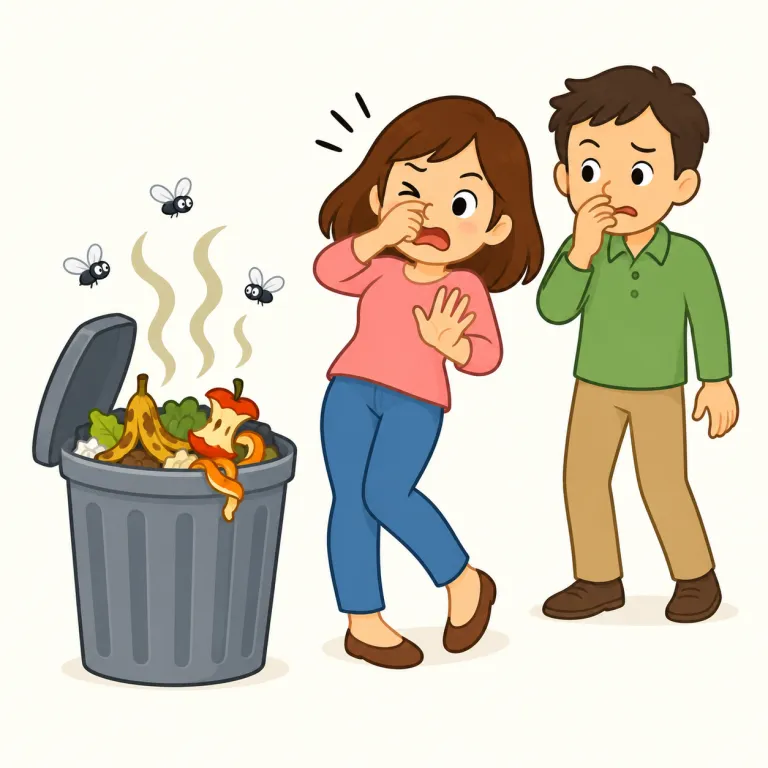
グロい
解説 Definition
grosser は gross「気持ち悪い・不快な」の比較級で、「よりグロい・より不快な」を表します。見た目やにおい、話の内容などについて、くだけた会話で使います。
More disgusting, unpleasant, or offensive than something else. This informal comparative form of gross is often used for disturbing sights, bad smells, crude behavior, or details that produce a stronger feeling of disgust.
覚え方のコツ Memory Tip
gross「気持ち悪い」に比較級の -er を付けて grosser「より気持ち悪い」。gross の末尾の ss をそのまま残すと覚えましょう。
Add the comparative ending -er to gross, meaning “disgusting”: gross becomes grosser. Keep the double s already present in gross.
例文
This scene is grosser than the last one.
この場面は前の場面よりグロいです。
He skipped the grosser parts of the story at dinner.
彼は夕食の場では、その話のより気持ち悪い部分を省きました。
grosser の類義語・関連語
grosser の語源・成り立ち Etymology
古フランス語 gros(大きい・太い)から英語に入り、後期ラテン語 grossus(厚い・粗い)が起源。比較級の -er がついた形。関連語に gross(総計の・粗野な)、grocery(食料品店、元は大量販売の意)がある。「粗大な」から「不快な」へと意味が変化した。
Grosser is the comparative form of gross, made with the regular English suffix -er. Gross entered English through Old French gros, meaning “large, thick, or coarse,” from Late Latin grossus. Its senses developed from physical thickness and coarseness to crude, offensive, or disgusting qualities. In this use, grosser does not mean a larger total amount; it specifically compares how repulsive or unpleasant two things are.
同じレベルの語彙をもっと
外部辞書で調べる
この英単語をクイズで覚えよう