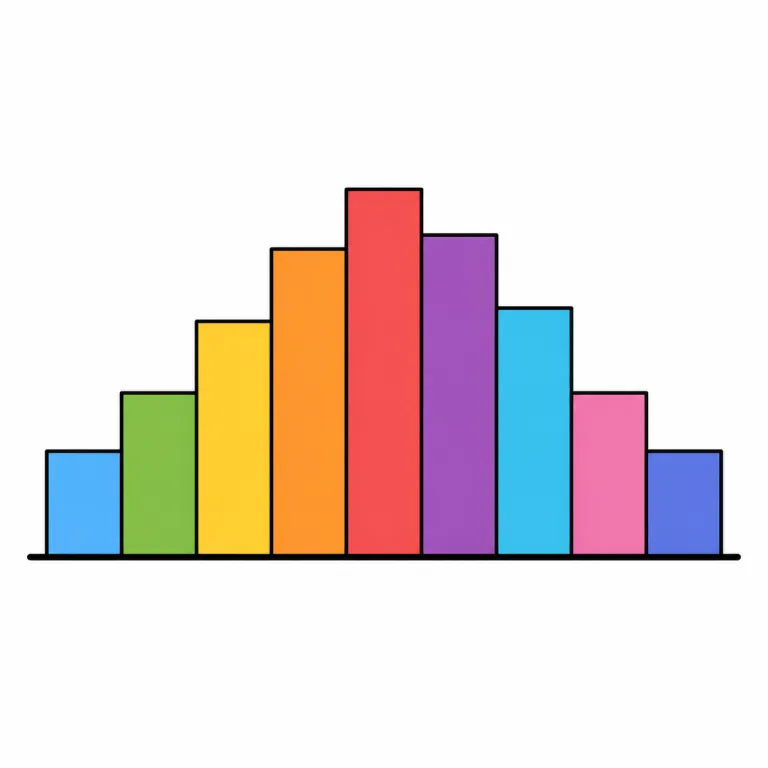
ヒストグラム
解説 Definition
データの分布を視覚的に表現するための統計図。x軸に値の範囲(階級)、y軸に度数(頻度)をプロットした棒グラフ。
A histogram is a type of graph that shows how numerical data is distributed by grouping values into ranges. It looks like a bar chart, but the bars usually touch because the ranges are connected.
覚え方のコツ Memory Tip
まず -gram を diagram, program, pictogram などの『図・記録を表す語尾』としてまとめて覚えると、histogram も“何かを図にしたもの”と取りやすい。実際には統計で頻出で、test scores や age distribution のような数値データが、どの範囲にどれだけ集まるかを見る図。棒が並ぶので bar chart と見た目は似るが、histogram は連続値を区間に切って度数を示すため、棒が基本的に隙間なく並ぶ、とセットで覚えると混同しにくい。
Use the ending `-gram` as your memory hook, because it often means a visual record or diagram. So a `histogram` is a kind of picture made from data. To keep it separate from a bar chart, remember that histogram bars usually touch because they show ranges of continuous data.
例文
The histogram shows the distribution of test scores.
ヒストグラムはテストスコアの分布を示している。
She created a histogram to analyze the sales data.
彼女は売上データを分析するためにヒストグラムを作成した。
The histogram reveals a normal distribution of the measurements.
ヒストグラムは測定値の正規分布を明らかにしている。
histogram の語源・成り立ち Etymology
histogram は 1891年に作られた統計語で、ギリシャ語 histos「立つ棒・マスト」+ -gram「書かれたもの、図」からとされる。棒が並んで立つ図だから histogram で、形そのものが意味を表す。関連語は diagram, telegram。
Histogram was coined in 1891 as a term in statistics. It combines Greek histos, meaning something upright like a mast, with -gram, meaning something written or drawn. The name fits the visual shape of upright bars in the chart. Related words include diagram and telegram.
同じレベルの語彙をもっと
外部辞書で調べる
この英単語をクイズで覚えよう