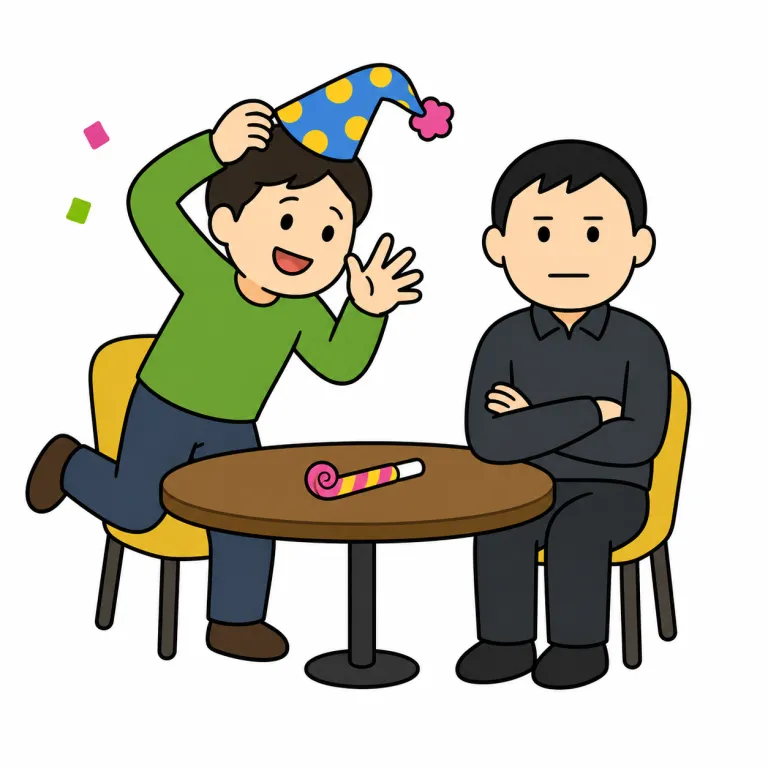
ユーモアのない
解説 Definition
ユーモアのない。または冗談や笑いの感覚を持たない。真面目ばかりで。
Humourless describes someone or something that shows no sense of humor and is very serious. It is often used in a slightly negative way for people, comments, or situations that feel stiff or not enjoyable.
覚え方のコツ Memory Tip
`-less` は「〜がない」を表す超頻出パターンで、`careless`(不注意な)`hopeless`(望みのない)と同じです。なので `humourless` はまず「humour がない」と分解すると覚えやすい語。`humour` は英米差で、英式では `humour`、米式では `humor`。意味は単に「まじめ」ではなく、「冗談が通じない・笑う余地がない」という冷たい響きが出やすいです。`a humourless face / a humourless response` のように、人や表情、受け答えに使う場面をセットで覚えると定着します。
Use the common ending `-less`, which means "without," as in `careless` or `hopeless`. So `humourless` is literally "without humour." It often describes a face, reply, or person that feels cold or unable to enjoy jokes.
例文
His humourless demeanor made conversations feel stilted and awkward.
彼のユーモアのない態度のせいで、会話はぎこちなく気まずいものになった。
The humourless lecture put many students to sleep.
ユーモアのない講義は多くの学生を眠らせた。
Despite her humourless exterior, she occasionally smiled at jokes.
ユーモアがなさそうな印象とは裏腹に、彼女は時折ジョークを聞いて笑った。
humourless の類義語・関連語
類義語
紛らわしい語
humourless の語源・成り立ち Etymology
humourless は humour「ユーモア」+ -less「ない」で、humour は古フランス語を経てラテン語 umor「体液・湿り」に由来します。humor や humid も同根で、古代に体液が気質を左右すると考えられたため、「笑いがない」は「気質に潤いがない」とつながります。
Humourless is built from humour and the suffix -less, meaning "without." Humour came into English through Old French from Latin umor, meaning "moisture" or "body fluid." In ancient medicine, these fluids were believed to shape a person's character, so the word moved from physical "humor" to temperament, and later to a sense of wit; compare humor and humid.
同じレベルの語彙をもっと
外部辞書で調べる
この英単語をクイズで覚えよう