気分、機嫌
noun 名詞ある時点での人の気分や精神状態を表し、in a good humor、out of humor などの形で使われます。人を笑わせる能力ではなく、機嫌がよいか悪いかという一時的な状態を指します。
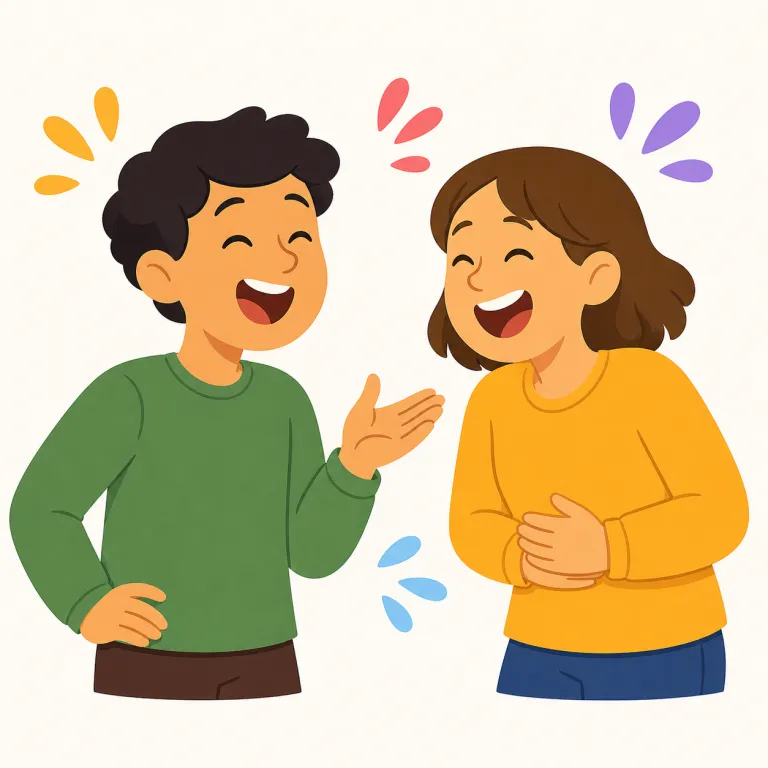
humor はTOEIC 730・TOEFL 60・IELTS 5.5レベルの英単語で、「ユーモア」という意味があります。発音記号は /ˈhjuːmɚ/ です。
人を笑わせたり楽しくさせたりする能力や特性。ユーモアを備えていることで、コミュニケーションが円滑になる。
Humor is the quality of being funny or the ability to notice and express what is amusing. It is often used when talking about jokes, comedy, or someone's personality. American English usually spells it "humor," while British English often uses "humour."
humor はまず形容詞 humorous「おかしい、ユーモアのある」とセットで覚えると定着しやすい語です。会話では a sense of humor で「ユーモアのセンス」、dry humor で「淡々とした笑い」のようによく使われます。単に joke が「冗談そのもの」を指すのに対し、humor は人や文章ににじむ「笑わせる味・おかしみ」という感じ。funny と近いですが、humor のほうが性質や作風としての広がりがあります。
Learn humor together with humorous. A joke is one funny thing, but humor is the general quality behind it, as in a sense of humor or dry humor. That contrast makes the word easier to remember.
Humor makes us smile.
ユーモアは私たちを笑顔にする。
His humor makes everyone laugh.
彼のユーモアでみんなが笑います。
Her humor makes school fun.
彼女のユーモアで学校が楽しくなります。
この語をはじめて出題された 35人 のうち 30人 が正解しました(86%)。
えいたんごクイズの回答から集計した独自データです。1人につき最初に出題されたときの1回だけを数えており、復習や2回目以降の回答、「わからない」と時間切れは含みません。 集計時点は 2026年9月19日 です。
文脈によって、次の意味でも使われます。
ある時点での人の気分や精神状態を表し、in a good humor、out of humor などの形で使われます。人を笑わせる能力ではなく、機嫌がよいか悪いかという一時的な状態を指します。
相手を満足させたり争いを避けたりするため、その人の希望や考えに一時的に合わせることを表します。humor someone の形で使われ、相手の主張に本心から賛成するとは限りません。
humor は古フランス語 humour を経て、ラテン語 umor/humor「体液・湿り気」に由来します。古代医学では四つの体液が人の気質を左右すると考えられたため、「体液」から「気分・気質」へ、さらに「人を笑わせる味わい」という意味まで伸びました。humid や humorist を合わせると、もとの「湿り気」の感覚が見えてきます。
Humor comes through Old French humour from Latin humor or umor, meaning "moisture" or "body fluid." In ancient medicine, people's character was thought to depend on the balance of bodily fluids, so the word moved from "fluid" to "mood" or "temper." From there it developed the modern sense of a quality that makes people laugh; humid is from the same Latin root.
この英単語をクイズで覚えよう