
意味一覧 (2件)
想像上の
解説 Definition
実際には存在せず、心や想像の中にのみ存在するもの。現実ではなく、想像力によって作られた。
Existing only in the mind or in the imagination, not in real life. It is often used for stories, characters, or situations that are invented. Sometimes it can also describe something that seems unreal or not based on facts.
覚え方のコツ Memory Tip
imagine(思い描く)と image(イメージ)が分かれば覚えやすい語。imaginary は「頭の中で image を作っただけのもの」という感覚で、現実には存在しない『想像上の』を表す。an imaginary friend, imaginary world, imaginary story など、作り話・空想設定と相性がいい。似た語 imaginative は『想像力に富んだ』で、人やアイデアをほめる語。imaginary は対象が実在しないことに焦点、imaginative は発想力に焦点、と整理すると混同しにくい。
Connect `imaginary` with `imagine` and `image`. The word suggests something made only in your mind, like an `imaginary friend` or an `imaginary world`. Do not mix it up with `imaginative`, which describes a creative person or idea, not something unreal.
例文
The child talked and played with an imaginary friend.
その子は想像上の友達と話したり遊んだりした。
Dragons and unicorns are imaginary creatures.
ドラゴンとユニコーンは想像上の生き物である。
He drew a picture of an imaginary world.
彼は想像上の世界の絵を描いた。
虚数の
(意味 2)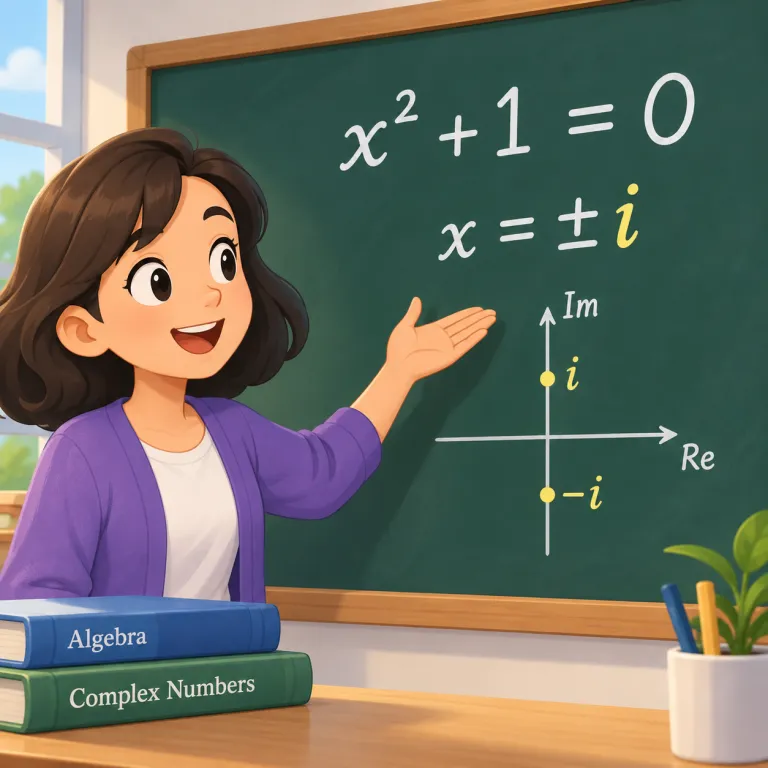
解説 Definition
数学で、実数ではなく i の倍数として表される数に関することを表す語です。imaginary number(虚数)のように使われ、方程式や複素数の説明で現れます。日常的な「想像上の」とは別の、専門的で独立した意味です。
In mathematics, describing numbers that are nonzero real multiples of i, where i squared equals −1. It is used when discussing numbers, roots of equations, and components of complex numbers.
覚え方のコツ Memory Tip
imagine(思い描く)と image(イメージ)が分かれば土台はあります。ただし数学の imaginary は日常の「想像上の」ではなく、実数直線上にはない数を表す専門語。昔の数学者が、実数では表せない数を「まるで想像上の数」のように呼んだ、と考えると覚えやすいです。imaginary number, imaginary roots のように、i の倍数や複素数の説明で使う語。空想の友だちとは切り分けて、数学では「虚数の」と固定して覚えます。
Connect imaginary with imagine, then picture i outside the real number line. Anchor this mathematical sense with imaginary number and imaginary roots. The image helps you remember the term, but these numbers are precisely defined mathematical objects.
例文
The equation has two imaginary roots.
その方程式は2つの虚数解を持つ。
She learned how imaginary numbers work in class.
彼女は授業で虚数がどのように成り立つかを学んだ。
The imaginary unit is written as i.
虚数単位は i と書かれる。
imaginary の類義語・関連語
imaginary の語源・成り立ち Etymology
imaginary は後期ラテン語 imaginarius、または imagine + -ary に由来し、さらにラテン語 imaginari「心に像を描く」へさかのぼります。語根 imago は「像・イメージ」なので、「実在ではなく心の像にあるもの」から「想像上の」になりました。関連語は image, imagination。
Imaginary comes from Late Latin imaginarius, from imaginari, meaning "to form an image in the mind." Behind it is the Latin noun imago, meaning "image" or "likeness." The idea developed from something pictured in the mind to something not real but mentally created. Related words include image and imagination.
同じレベルの語彙をもっと
外部辞書で調べる
この英単語をクイズで覚えよう