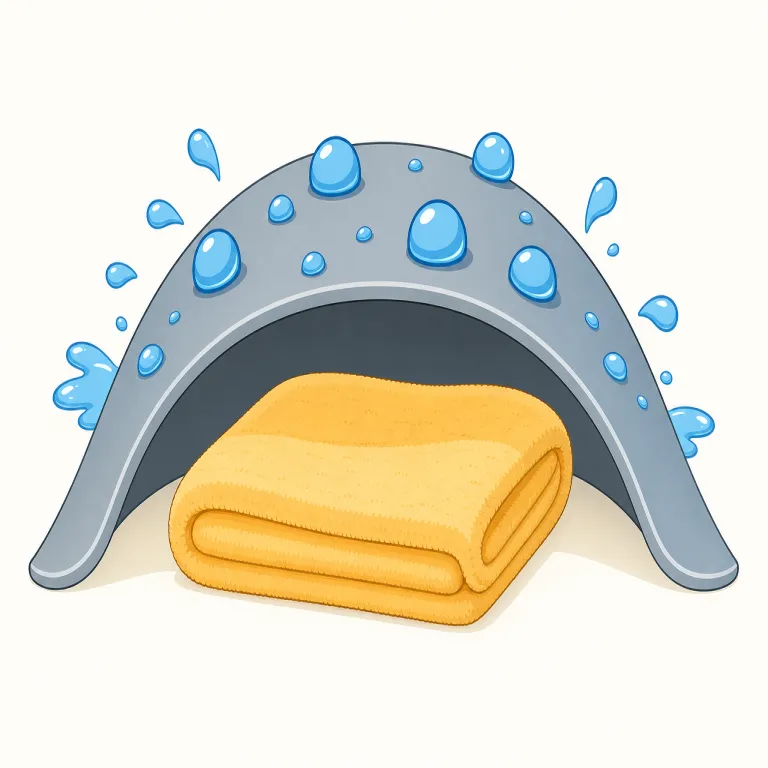
不浸透性の
解説 Definition
液体や気体を通さない性質を持つこと。防水性・不浸透性があること。
Impermeable means not allowing liquid, gas, or another substance to pass through. It is commonly used for materials, surfaces, or layers in science and daily life. The word often appears in technical contexts, but it can also describe waterproof or sealed things.
覚え方のコツ Memory Tip
permeable を知っていれば最短で覚えやすい語です。語頭の im- は in- 系の否定で、意味は 逆にして考える と整理するとよく、permeable が 通す・しみ通る なら impermeable は 通さない。waterproof よりやや硬く、液体だけでなく air, gas, moisture にも使えるのがポイント。impermeable layer, impermeable surface, impermeable to water の形で見ておくと定着しやすいです。permanent や impenetrable と混同せず、中心は あくまで 通過を許さない 感覚です。
If `permeable` means something can pass through, `im-` makes it the opposite. So `impermeable` means not letting something pass through. Remember it with phrases like `impermeable to water` or `an impermeable layer`.
例文
The impermeable membrane prevents water from seeping into the basement.
不浸透性の膜が地下室に水が浸み込むのを防いでいる。
Clay soil is nearly impermeable, so rainwater tends to pool on the surface.
粘土質の土壌はほぼ不浸透性なので、雨水は地表に溜まりやすい。
The jacket is made of impermeable fabric that keeps you dry in heavy rain.
そのジャケットは、大雨でも体をぬらさない防水素材で作られている。
impermeable の類義語・関連語
紛らわしい語
impermeable の語源・成り立ち Etymology
フランス語 imperméable を経て、後期ラテン語 impermeabilis に由来。im-「〜でない」+ per-「通して」+ meare「進む」から成り、『中を通って行けない』がそのまま『不浸透性の』につながる。関連語は permeable, permeate。
Impermeable came into English through French imperméable, from Late Latin impermeabilis. It is made from in- meaning "not," per- meaning "through," and meare meaning "to pass" or "go." Its original sense was "not able to be passed through," which later developed into the modern idea. Related words include permeable and permeate.
同じレベルの語彙をもっと
外部辞書で調べる
この英単語をクイズで覚えよう