in turn
in turn は英検2級レベルの英熟語で、「順番に、その結果」という意味があります。発音記号は /ɪn tɜrn/ です。
意味一覧 (2件)
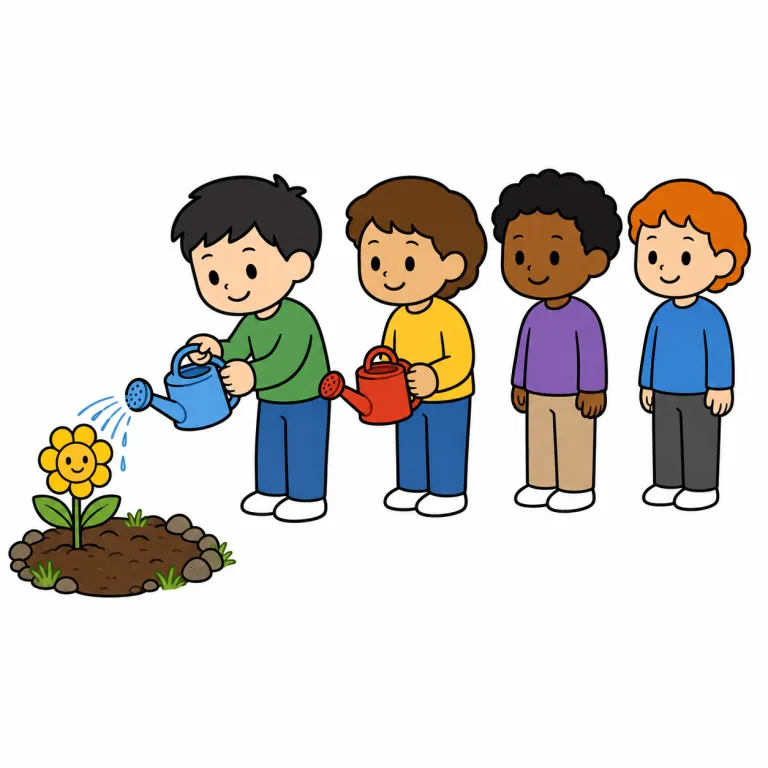
順番に
解説 Definition
「in turn」は順番どおりに一人ずつ行動したり、工程が積み重なって進むときに使う副詞的な表現です。会議で発言を代わる代わるしたり、作業リストを一つずつ片づけるような文脈で自然に出ます。前の出来事に続いて次が起きることを示したいときにも使います。
In turn means one after another, in a particular order. It can also mean as a result of something just mentioned. The meaning depends on whether the context is about sequence or cause and effect.
覚え方のコツ Memory Tip
`turn` を知っていれば、「向きを変える」よりも「自分の番が回ってくる」の感覚で覚えると定着しやすい表現です。`in turn` は、人なら「一人ずつ順番に」、出来事なら「それを受けて次に」という流れを作ります。`take turns` が交代する動作そのものなのに対し、`in turn` は順番どおりに進む並びや因果の連鎖を示す言い方。`A, and this in turn leads to B` の形も頻出なので、会話の順番と結果の連鎖の両方で覚えると強いです。
Think of `turn` as your turn in a line or game. `In turn` means things happen one after another in the proper order. It is also common in chains of results: `A happens, and this in turn leads to B`.
例文
The students read their answers in turn so the teacher could check their work.
生徒たちは先生が確認できるように、順番に答えを読み上げた。
Each committee member spoke in turn to summarize their progress.
委員会のメンバーがそれぞれ順番に進捗を報告した。
The guests introduced themselves in turn.
招待客たちは順番に自己紹介をした。
その結果
(意味 2)
解説 Definition
前に述べた出来事や変化を受けて、次の出来事が起こることを示す表現。特に which in turn の形で、ある結果がさらに別の結果を生む因果の連鎖を述べるときによく使う。順番そのものより、前の内容が次へ影響する流れに焦点があり、「今度は」「その結果」と訳せる。
As a further result of the event or change just mentioned. This expression connects steps in a chain where one effect produces another.
覚え方のコツ Memory Tip
`turn` を知っていれば、「向きを変える」よりも「次の番へ回る」の感覚で覚えると定着しやすい表現です。`in turn` はここでは人が一人ずつ進む順番ではなく、出来事Aを受けて出来事Bが起こる流れを作ります。`A, which in turn leads to B` の形では、「Aが起こり、その結果Bへつながる」と読むのが自然。`take turns` の交代動作と切り分けて、結果が次の結果を呼ぶ連鎖として覚えると強いです。
Think of a result passing its effect to the next event in a chain. In the pattern A, which in turn leads to B, imagine A triggering B.
例文
Regular exercise improves sleep, which in turn helps you focus during the day.
定期的な運動は睡眠を改善し、その結果、日中に集中しやすくなる。
The new policy increased costs and in turn slowed hiring.
新しい方針で費用が増え、その結果、採用のペースが落ちた。
A small error caused confusion, which in turn delayed the whole project.
小さなミスが混乱を招き、その結果、プロジェクト全体が遅れた。
in turn の類義語・関連語
in turn の語源・成り立ち Etymology
turnは古フランス語torner(回す)からラテン語tornare(旋盤で回す)に遡る。in turnは「回転の中で」→「順番に」の意。関連語:return(戻る)、tournament(トーナメント=騎士が順番に戦う試合)。順番が回ってくるイメージそのものが語源。
Turn came into English through Old French torner, from Latin tornare, meaning "to turn on a lathe" or "to rotate." In turn originally kept the image of something moving in a circle or rotation. From that, it developed the idea of one person's chance coming around in order. Related words include return and tournament.
同じレベルの語彙をもっと
英検2級の一覧へ →外部辞書で調べる
この英熟語をクイズで覚えよう