不均質な
解説 Definition
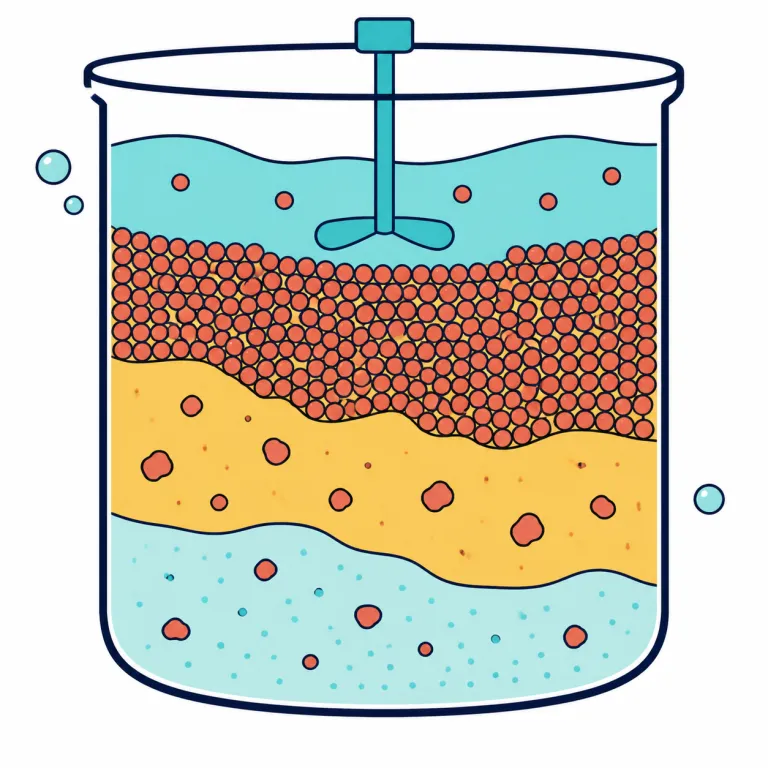
構成要素が均等でなく、不均質な状態。異なる性質や密度の部分を含む混合体を指す。
Inhomogeneous means not uniform, with parts that are different from each other. It is often used in science, math, and technical writing to describe a substance, system, or group that is uneven in structure or composition. The opposite idea is homogeneous.
覚え方のコツ Memory Tip
まず homogeneous を「どこを見ても同じ・一様」とセットで覚えると入りやすいです。先頭に in- が付くと否定になり、「一様ではない」→「むらがある」「部分ごとに性質が違う」という感覚で取れます。material, medium, distribution などとよく結びつきます。似た heterogeneous は「異種のものが混在する」感じで、inhomogeneous は同じ対象の中に偏りや不均一さがある点に注目すると区別しやすいです。
First remember `homogeneous`, which means evenly the same throughout. Then add `in-` to get the opposite: not even, not uniform. It is useful to compare it with `heterogeneous`, which often suggests different kinds mixed together, while `inhomogeneous` focuses on unevenness inside one thing.
例文
The mixture is inhomogeneous with distinct layers.
その混合物は不均質で、明確な層がある。
Inhomogeneous distribution of resources created inequality.
資源の不均等な分布が不平等を生み出した。
The fabric is inhomogeneous, with some areas thick and others thin.
その生地は不均質で、厚い部分と薄い部分がある。
inhomogeneous の類義語・関連語
inhomogeneous の語源・成り立ち Etymology
inhomogeneous は in-「〜でない」+ homogeneous「同種の」から成る語です。homogeneous は中世ラテン語を経て、ギリシャ語 homos「同じ」+ genos「種類」に由来し、直訳すると「同じ種類ではない」。そこから「不均質な」と理解できます。関連語は homogeneous, genus。
Inhomogeneous is built from in- "not" and homogeneous. Homogeneous comes through Medieval Latin from Greek homos "same" and genos "kind, race, type." So the word originally means "not of the same kind," which later developed into the idea of being uneven in makeup or structure. Related words include homogeneous and genus.
同じレベルの語彙をもっと
外部辞書で調べる
この英単語をクイズで覚えよう