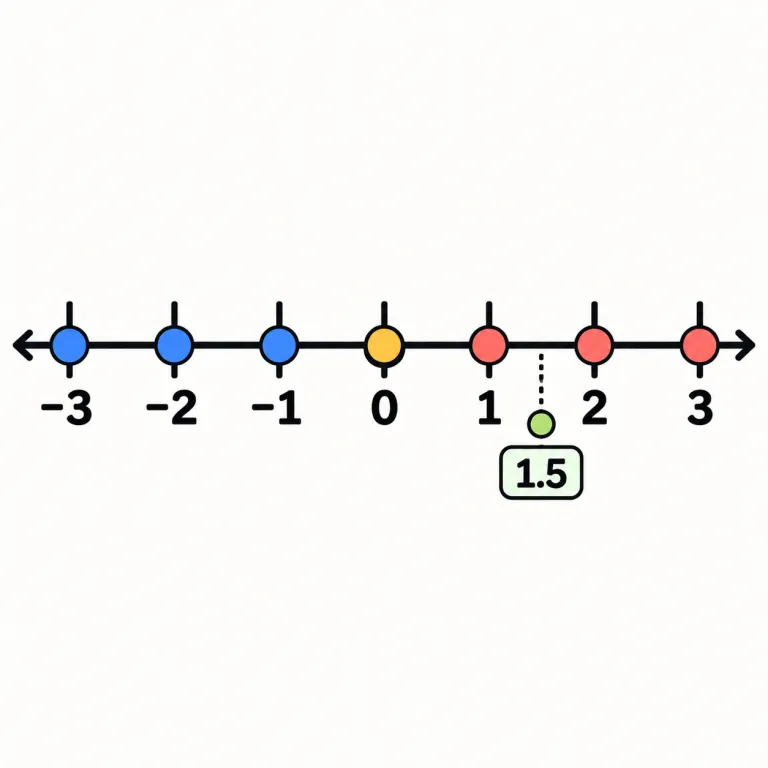
integer
integer はTOEFL 100・IELTS 7.5レベルの英単語で、「整数」という意味があります。発音記号は /ˈɪntədʒɚ/ です。
整数
解説 Definition
整数とは、小数や分数を含まない数で、正の数、負の数、そしてゼロをすべて含みます。コンピュータプログラミングでは、小数点を持たない数値型として頻繁に使われます。
An integer is a whole number, such as -3, 0, or 12. It does not include fractions or decimal numbers. This word is mainly used in mathematics and computer science.
覚え方のコツ Memory Tip
プログラミングでよく見る `int` は `integer` の略。まずここを結びつけると記憶しやすいです。意味は「小数点や分数のない、まるごとの数」。`3, -2, 0` は integer、`3.14` や `1/2` は違います。`integral` や `integrity` に共通する `integ-` を見たら、「ひと続きで欠けていない感じ」を思い出すと、分割されていない数という像が作れます。`integer value` `convert to integer` の形でも頻出です。
If you know programming, connect it to `int`, which is short for `integer`. Think of an integer as a whole, unbroken number, not a decimal or fraction. The same root appears in words like `integrity`, which can help you remember the idea of something complete.
例文
In mathematics, an integer is any whole number, including zero and negative numbers.
数学において、整数とはゼロや負の数を含む小数点を持たない数のことです。
The variable must be declared as an integer in the program.
その変数はプログラム内で整数として宣言しなければならない。
All negative integers are less than zero.
すべての負の整数はゼロより小さい。
integer の類義語・関連語
integer の語源・成り立ち Etymology
integer はラテン語 integer(完全な、欠けていない)に由来し、in-(否定)+ tangere(触れる)が背景にあるため、もとは「手を加えられていない全体」です。分数のように割られていない「まるごとの数」だから整数を指します。関連語は integral, entire。
Integer comes from Latin integer, meaning "whole," "complete," or "untouched." It is connected with the idea of something not being altered or broken into parts, and it is related to words like integral and entire. In mathematics, that sense became "a whole number," not divided like a fraction.
同じレベルの語彙をもっと
TOEFL 100の一覧へ →外部辞書で調べる
この英単語をクイズで覚えよう