intonation
intonation はTOEIC 860・TOEFL 80・IELTS 6.5レベルの英単語で、「イントネーション、抑揚、音の上下」という意味があります。発音記号は /ɪnˌtoʊˈneɪʃən/ です。
意味一覧 (4件)
イントネーション
解説 Definition
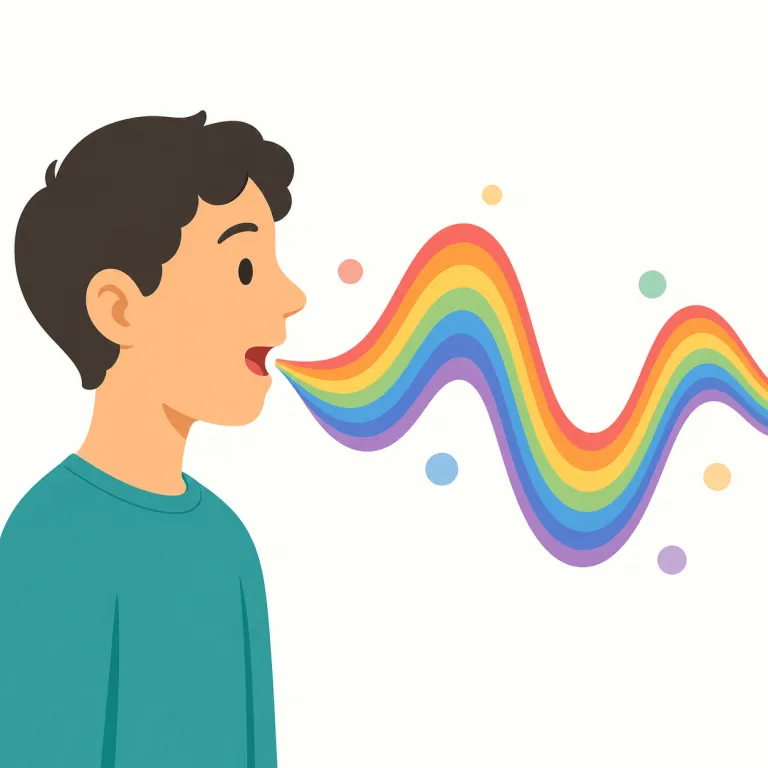
イントネーションは、話すときの声の高さの変化を指します。これは質問、強調、感情を表現するために使われ、言葉の意味に影響を与えることができます。
Intonation is the rise and fall of the voice when someone speaks. It is important in pronunciation, meaning, and emotion in spoken language. This word is often used in language learning and linguistics.
覚え方のコツ Memory Tip
このエントリでは intonation を、日常的な訳語「抑揚」そのものではなく、発音指導・音声学・歌唱などで使う専門的なカタカナ語「イントネーション」として覚えます。tone が語の中心なので、声や音の高さを調整する技術用語だと考えるとよいです。pitch accuracy や prosody の話題で出る場合は、単なる話し方の上下より、音の高さを正確に扱う専門文脈を意識します。
Build it from `tone`: `intonation` is the rise and fall of tone in a sentence. `Pronunciation` is about individual sounds, but `intonation` is about the whole melody of speech. It also helps to contrast it with `accent`: accent is where you are from, intonation is how your voice moves up and down.
例文
The intonation of her voice indicated that she was asking a question.
彼女の声のイントネーションは、彼女が質問をしていることを示していた。
English intonation can be challenging for non-native speakers to master.
英語のイントネーションは、英語を母語としない話者にとって習得が難しいことがあります。
The singer paid careful attention to the intonation of each note.
歌手は各音符のイントネーションに注意を払った。
抑揚
(意味 2)解説 Definition
intonation は、話すときに声の高さが上がったり下がったりする「抑揚」を指す名詞です。英語学習や会話分析で、質問らしさ、強調、感情、皮肉などが声の動きで伝わる場面によく使われます。
Intonation is the pattern of rising and falling pitch in speech. It is used to show things like questions, emphasis, feelings, or sarcasm, so it often changes the meaning or tone of a whole sentence. In English learning and conversation analysis, intonation is important because it helps listeners understand how something is being said, not only what words are used.
覚え方のコツ Memory Tip
intonation は tone「音の高さ・調子」を中心に覚えると定着しやすい語です。in + tone + -ation と見て、「話の中で tone がどう動くか」を表す名詞だと考えます。pronunciation は個々の音や単語の発音の正しさ、intonation は文全体の上がり下がりです。rising intonation「上昇調」、falling intonation「下降調」、sentence intonation「文の抑揚」などの組み合わせで覚えると実用的です。
To remember intonation, focus on the middle part, tone, which means the sound quality or pitch of a voice. You can think of it as in + tone + -ation: the way the tone moves within speech. Pronunciation is about saying sounds or words correctly, but intonation is about the rise and fall of a whole sentence. Useful phrases to learn are rising intonation, falling intonation, and sentence intonation.
例文
Her intonation rose at the end of the sentence, so it sounded like a question.
文の終わりで抑揚が上がったので、質問のように聞こえた。
Teachers often practice intonation with students to help them sound more natural in conversation.
教師は、生徒が会話でより自然に聞こえるように、よく抑揚の練習をする。
Even with the same words, a different intonation can express surprise, anger, or irony.
同じ言葉でも、抑揚が違うと驚きや怒り、皮肉を表せる。
抑揚
(意味 3)解説 Definition
話し言葉における音の高さの変化。声が上下したり、リズムが変わったりする様子を指します。感情や意味を伝えるための音声の抑揚です。
例文
Her intonation suggested she was angry.
彼女の抑揚から、彼女が怒っていることが伝わってきた。
The speaker's intonation made the words more interesting.
スピーカーの抑揚により、その言葉がより興味深くなった。
Proper intonation is important in language learning.
言語学習では、適切な抑揚が重要です。
音の上下
(意味 4)解説 Definition
話し言葉で、声の高さが上がったり下がったりすること。感情や意図を伝えるために用いられる。
例文
Her intonation made the sentence sound like a question.
彼女の音の上下は、その文を質問のように聞かせました。
The intonation of his voice conveyed anger and disappointment.
彼の声の音の上下は、怒りと失望を表現していました。
Learning correct intonation is essential for English pronunciation.
正しい音の上下を学ぶことは、英語の発音に不可欠です。
intonation の語源・成り立ち Etymology
intonation は後期ラテン語 intonare に由来し、in-『強く・中へ』+ tonare『鳴り響く、雷鳴をとどろかす』からできています。intone や detonate と同じ ton 系で、声をどう鳴らして意味や感情を乗せるかと考えると、『イントネーション』の役割がよく見えます。
Intonation comes from Late Latin intonare, from in- and tonare, meaning "to thunder" or "resound." It first carried the idea of sounding out strongly or giving voice with a particular tone. From there it developed into the modern sense of the rise and fall of the voice in speech; related words include intone and detonate.
外部辞書で調べる
この単語を英単語クイズで覚えよう