野次
解説 Definition
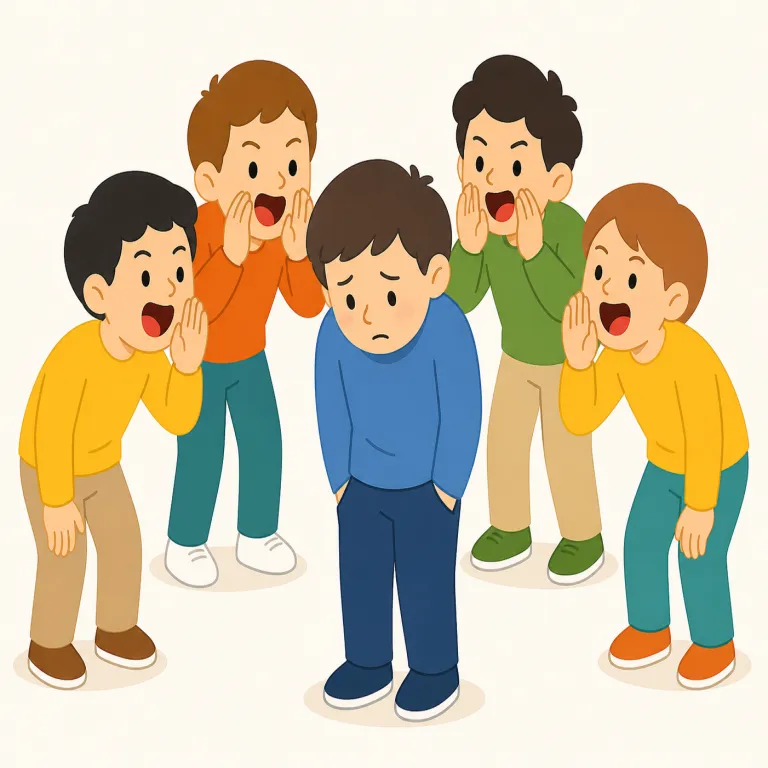
人を嘲笑したり、やじを飛ばして馬鹿にする行為のこと。
Jeering is rude shouting, mocking comments, or laughter that show disrespect or scorn. It often happens in crowds at sports events, public speeches, or performances. The word suggests open and unfriendly criticism rather than quiet disapproval.
覚え方のコツ Memory Tip
まず cheering(声援)と対で覚えると定着しやすい語です。スタジアムで味方に声を送れば cheering、相手や失敗した人に「ブー」「ばかだな」と浴びせれば jeering。語形もほぼ同じで、先頭が変わるだけで意味がプラスからマイナスへ反転すると押さえると強いです。動詞は jeer at 人、名詞では crowd's jeering のように、群衆が嘲る声のまとまりを思い浮かべると忘れにくい。
Learn `jeering` together with `cheering`. The two words look similar, but `cheering` is positive and `jeering` turns the feeling negative. Picture a crowd at a stadium: cheering for success, jeering at mistakes.
例文
The crowd's jeering made it hard for the speaker to continue.
群衆の野次のせいで、演説者は話を続けるのが難しかった。
Despite the jeering from rival fans, the player kept his composure.
相手チームのファンからの野次にもかかわらず、その選手は冷静さを保った。
The politician ignored the jeering and delivered her speech with confidence.
その政治家は野次を無視し、自信を持ってスピーチを行った。
jeering の類義語・関連語
jeering の語源・成り立ち Etymology
jeering は jeer「野次る・あざける」に -ing が付いた語で、jeer 自体は16世紀英語の口語から出たが、語源ははっきりしない。jeer や jeered に共通する、相手へことばを投げつける感覚が、刺すような「野次」につながっている。
Jeering comes from the verb jeer plus the ending -ing. Jeer appeared in English in the 16th century from informal speech, but its deeper origin is uncertain. From early on, it carried the idea of throwing mocking words at someone, which developed into the sense of hostile shouting or ridicule.
同じレベルの英単語をもっと
外部辞書で調べる
この単語を英単語クイズで覚えよう