小腔・くぼみ
noun 名詞解剖学で、骨や軟骨などの組織内にある小さな空洞やくぼみを指す。特に骨細胞などが収まる微小な空間について用い、文書や知識の欠落を表す既存語義とは区別される。
文書や知識における空白部分や欠落。抜け落ちている箇所。
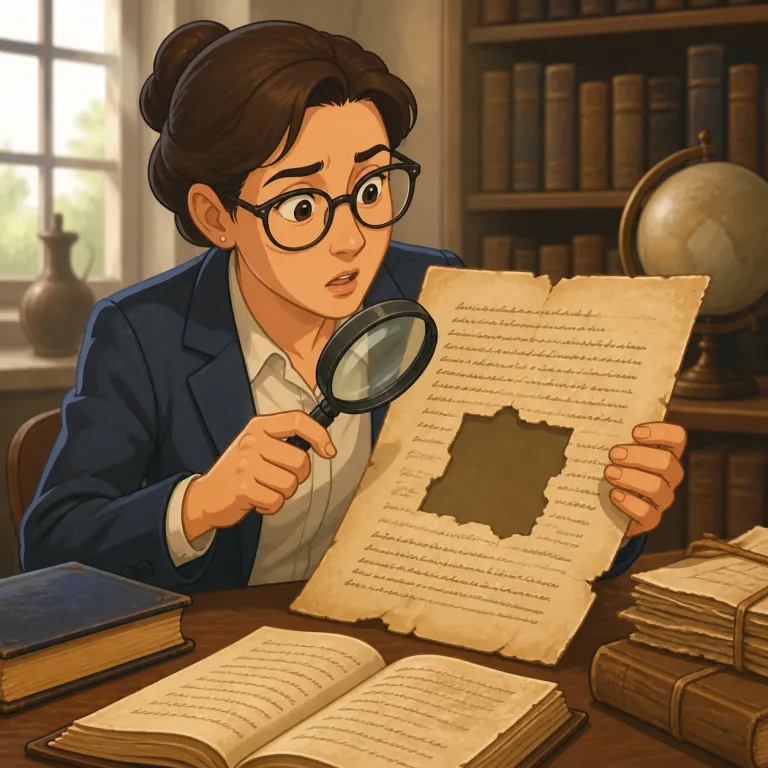
A lacuna is a gap, missing part, or empty space in something. It is often used in writing, records, history, or knowledge when information is absent or incomplete. The word is formal and common in academic or literary contexts.
まず「gap」「blank」「missing piece」を思い出すと定着しやすい語です。lacuna は日常会話の単なる穴より、文章・記録・歴史・議論・知識体系に“本来あるはずの部分が抜けて空白になっている”感じで使われがち。特に学術的で硬めの語なので、a lacuna in the record, fill a lacuna までセットで覚えると実戦的です。lack は不足全般、omission は省いた行為や省略項目、lacuna はその結果として残った空白そのもの、と分けると混同しにくくなります。
Think of a "gap," "blank," or missing piece. "Lacuna" is often used for a missing part in a text, record, argument, or body of knowledge, so it sounds more academic than everyday words. Useful phrases like "a lacuna in the record" can help fix it in memory.
The historian identified a significant lacuna in the written records of that period.
歴史家はその時代の文書記録に重大な欠落を発見した。
There is a notable lacuna in our understanding of how the disease first spread.
その病気が最初にどのように広まったかについての理解には顕著な空白がある。
The manuscript contained several lacunae where pages had been torn out centuries ago.
その写本には、何世紀も前にページが抜き取られた箇所がいくつかあった。
文脈によって、次の意味でも使われます。
解剖学で、骨や軟骨などの組織内にある小さな空洞やくぼみを指す。特に骨細胞などが収まる微小な空間について用い、文書や知識の欠落を表す既存語義とは区別される。
ラテン語 lacuna「穴・くぼみ・欠け」が語源で、さらに lacus「湖・水たまり・くぼ地」にさかのぼる。もとは物理的な空洞だったので、文書や知識の「欠損・空白」に広がったと考えると意味がつかみやすい。関連語は lake, lagoon。
Lacuna comes from Latin lacuna, meaning "hole," "gap," or "hollow," and it is related to lacus, meaning "lake" or "pool." It first referred to a physical empty space or hollow place. Later it was used for a missing part in a text, record, or body of knowledge; English words like lake and lagoon are distant relatives.
この英単語をクイズで覚えよう