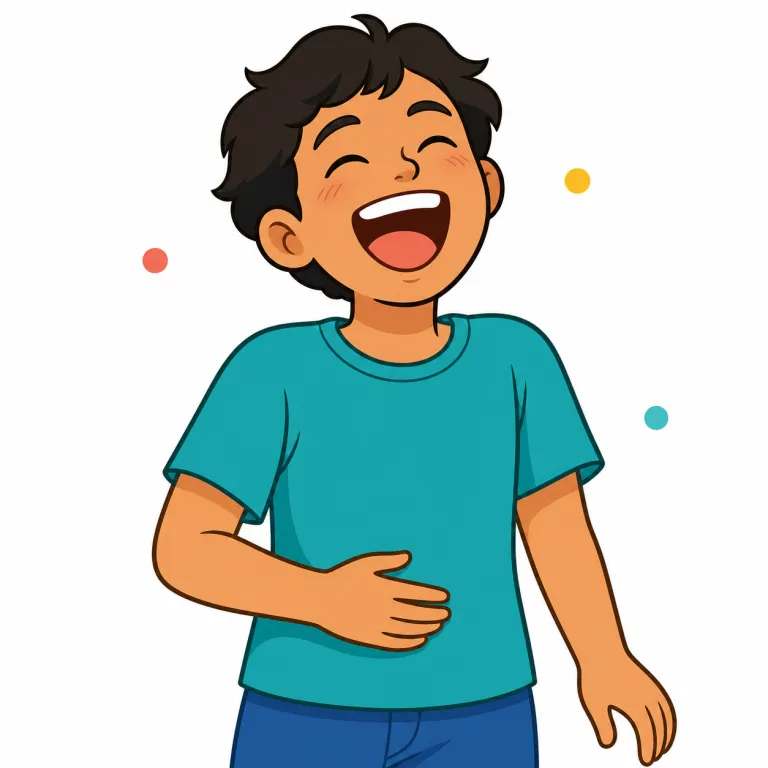
えいたんごクイズ

laughing

/ˈlæfɪŋ/

意味一覧 (4件)

noun

わら

解説 Definition

名詞の laughing は、声を伴う「笑い」や、場に広がる笑い声・笑う行為そのものを指します。smile のような表情より、音として聞こえる反応や集団の明るい雰囲気に焦点があります。

As a noun, laughing means the sound of laughter or the act of laughing. It focuses more on a real, audible reaction than on a quiet facial expression like a smile. It can also describe the cheerful atmosphere created when people are laughing together.

覚え方のコツ Memory Tip

laugh に -ing が付くと、動作を名詞化して「笑うこと」「笑い」として扱えます。laughter がやや抽象的でまとまった「笑い」を表すのに対し、laughing はその場で起きている笑い声や笑う動きが思い浮かぶ語です。hear laughing なら「笑い声を聞く」、stop laughing なら「笑うのをやめる」と、行為としてつかむと自然です。

Think of laughing as laugh plus -ing, which turns the action into "laughing" as a thing. While laughter can sound more general or more complete, laughing often makes you imagine actual voices and movement in the moment. Phrases like hear laughing and stop laughing can help you feel it as a real action happening.

例文

We could hear loud laughing from the next room.

隣の部屋から大きな笑いが聞こえた。

Her sudden laughing made everyone feel more relaxed.

彼女のふいの笑いで、みんなの緊張がやわらいだ。

The hall was filled with laughing after his final joke.

最後の冗談のあと、会場は笑いで満ちた。

verb

わらっている

(意味 2)

解説 Definition

「笑っている」は、ある瞬間に笑いの状態が続いていることを表す進行形の意味です。観察者が目の前の表情や声をとらえる場面に合い、理由は funny movie など後ろの文脈で補われます。

Laughing describes the action of making happy or amused sounds and showing enjoyment. It is used when someone is in the middle of laughing or when a scene includes laughter. It often suggests a positive, light feeling, but the tone depends on the situation.

覚え方のコツ Memory Tip

be 動詞と組み合わせた be laughing は、「笑う」という一回の動作よりも、笑いがしばらく続いている状態を描きます。I heard them laughing のように知覚動詞の後に置くと、「彼らが笑っているのを聞いた」という途中の様子になります。start laughing は笑い始める瞬間、keep laughing は笑い続ける状態を表し、時間の流れで覚えると使い分けやすいです。

Build it from the base verb `laugh`: `laughing` is simply the `-ing` form. It can show an action in progress, as in `I am laughing`, or describe someone, as in `a laughing child`. Keep it separate from `smiling`, which is quieter, and remember phrases like `start laughing` and `burst out laughing`.

例文

The children are laughing in the park.

子どもたちは公園で笑っています。

She was laughing at the funny movie.

彼女は面白い映画を見て笑っていました。

I heard them laughing loudly.

私は彼らが大きく笑っているのを聞きました。

verb

わら

(意味 3)

解説 Definition

動詞 laugh の -ing 形で、「笑う」という動作を進行中・同時進行の行動として表します。came in laughing のように「笑いながら」の意味でも使え、語自体は嘲笑ではなく、対象は laugh at などで示します。

Laughing is the action of making sounds and showing happiness, amusement, or sometimes surprise. It describes someone who is in the middle of laughing. The word can also suggest a light, relaxed, or joyful mood.

覚え方のコツ Memory Tip

laughing を動詞として見ると、笑いが今起きている映像を添える形になります。be laughing だけでなく、She entered laughing のように主動作に重ねて「笑いながら」と説明できるのがポイントです。形容詞的に a laughing face と置けば、笑っている様子を名詞に付け足せます。/gh/ は発音せず、音は「ラフィング」に近いと覚えると読み違えにくいです。

Start from `laugh`, then add `-ing` to picture the action happening now. This helps you feel the difference from `smile`, which is usually quieter and smaller. Also remember that the `gh` is silent, so the spelling looks harder than the sound.

例文

The children were laughing in the park.

子どもたちは公園で笑っていた。

I heard someone laughing in the next room.

隣の部屋で誰かが笑っているのが聞こえた。

She came into the office laughing and full of energy.

彼女は笑いながら元気いっぱいにオフィスへ入ってきた。

verb

わら

(意味 4)

解説 Definition

何かが面白い、楽しい、または嬉しい場合に、口を開けて音を出す行為。喜びや楽しさを表現する。

例文

He spent the afternoon laughing with friends.

彼は午後を友人たちと一緒に笑いながら過ごした。

The children were laughing at the funny movie.

その子どもたちはその面白い映画を見て笑っていた。

She couldn't stop laughing at the joke.

彼女はその冗談を聞いて笑いが止まらなかった。

laughing の類義語・関連語

laughing の語源・成り立ち Etymology

古英語 hlæhhan「笑う」に由来し、ゲルマン祖語 *hlahjan に遡る。笑い声をまねた音から生まれた語とされ、-ing により「笑うこと」という名詞用法も持つ。

Laughing comes from the verb laugh, which goes back to Old English hlæhhan, meaning "to laugh." It is related to a Germanic root, *hlahjan, and may have started as a word that copied the sound of laughing. With -ing, it can also mean "the act or sound of laughing."

外部辞書で調べる

この単語を英単語クイズで覚えよう