意味一覧 (2件)
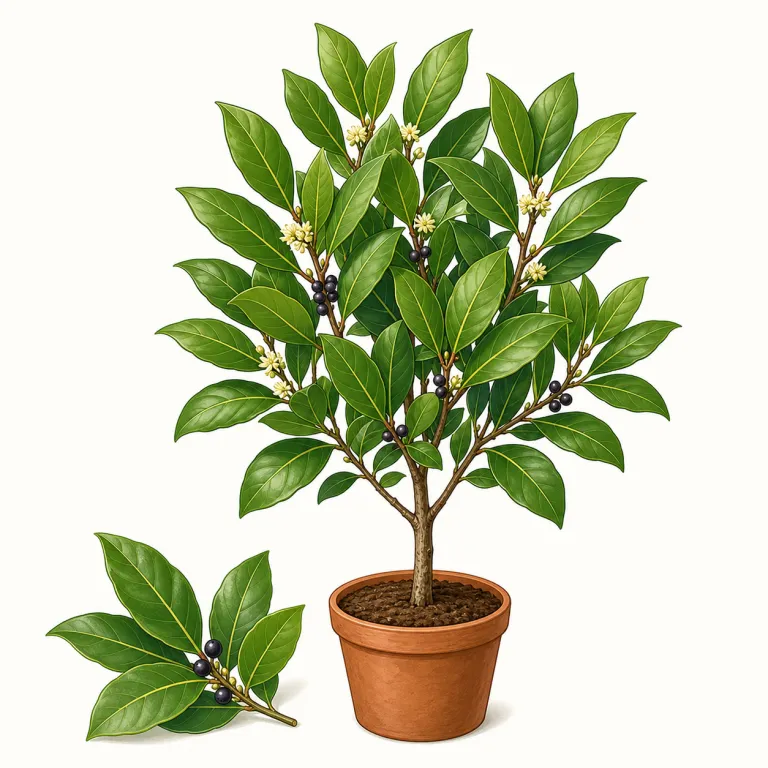
月桂樹
解説 Definition
香りのある葉をつける常緑樹を指し、葉は料理の香りづけにも使われる。古典文化では勝利や栄誉の象徴とされるため、laurels の形で「栄冠」「名誉」のような比喩的な意味でも用いられる。
Laurel is a type of tree or shrub with smooth leaves, and its leaves have long been used as a symbol of honor and victory. The word often appears in historical, literary, or symbolic contexts.
覚え方のコツ Memory Tip
laurel は木の名前だけで覚えるより、laurels が「栄誉・栄冠」に広がる語だとまとめて持つと定着しやすいです。laureate(受賞者)も近くに置くと、勝者の頭に載る冠のイメージでつながります。実物では料理の香りづけに使う bay leaf を連想すると具体的。比喩では rest on one’s laurels「過去の栄光に安住する」が頻出なので、植物名・冠・受賞・名誉の4点セットで覚えると忘れにくいです。
Do not remember `laurel` only as a tree. Connect it with `laurels` meaning honor or victory, and with `laureate`, a prize winner. That winner's crown image helps the word stay in memory, and `rest on one's laurels` is a very common phrase.
例文
People use laurel leaves in soup.
月桂樹の葉はスープに使われる。
The winner wore a crown of laurel leaves.
勝者は月桂樹の葉でできた冠をかぶった。
She refused to rest on her laurels after the award.
彼女は受賞後も過去の栄誉に甘んじようとしなかった。
栄誉、栄冠
(意味 2)
解説 Definition
laurel は植物名とは別に、勝利や優れた業績によって得た栄誉・栄冠を表す名詞です。文学的でやや硬い表現ですが、賞賛や名声の象徴として使われます。特に laurels の形で現れやすく、rest on one's laurels は「過去の成功に甘んじる」という意味です。
Honor or recognition earned through victory or an outstanding achievement. This formal or literary noun usually appears in the plural and can refer to the rewards of past success.
例文
The young scientist won laurels for her new discovery.
その若い科学者は新発見で栄誉を得た。
The champion won laurels for her school.
その優勝者は学校に栄誉をもたらした。
If you rest on your laurels, others will soon pass you.
過去の成功に甘んじていると、すぐに他の人に追い抜かれる。
laurel の類義語・関連語
laurel の語源・成り立ち Etymology
laurel はラテン語 laurus「月桂樹」が古フランス語を経て入った語です。古代ギリシャ・ローマで勝者に月桂冠を授けたため、木の名でありながら「栄誉」の響きまで帯びました。laureate や baccalaureate にも、その冠のイメージが残っています。
"Laurel" came into English through Old French from Latin laurus, the name of the laurel tree. In ancient Greece and Rome, crowns made from its leaves were given to winners and honored people. Because of that custom, the word came to carry a sense of honor as well as the tree itself; related words include laureate and baccalaureate.
同じレベルの語彙をもっと
外部辞書で調べる
この英単語をクイズで覚えよう