disgrace
disgrace は英検準1級・TOEIC 860・TOEFL 80・IELTS 6.5レベルの英単語で、「恥辱、恥さらし」という意味があります。発音記号は /dɪsˈɡreɪs/ です。
意味一覧 (2件)
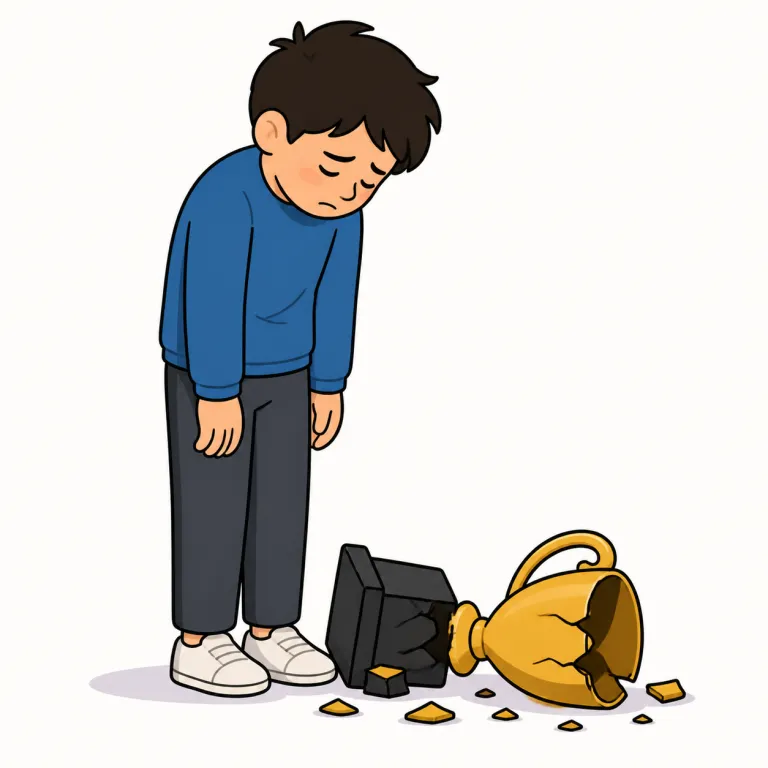
恥辱
解説 Definition
名誉や評判を傷つけられること、または大きな失敗や不祥事によって受ける深い恥のことです。社会的な地位や信用が落ちるような、重い恥辱を表します。
Disgrace is a strong feeling of shame, or a situation that causes people to lose respect for someone. It is used when behavior is seen as very wrong or embarrassing. It can refer both to personal shame and public dishonor.
覚え方のコツ Memory Tip
grace に「優雅さ・品位・好ましさ」の感覚があると、disgrace はその grace が崩れた状態として覚えやすいです。単なる恥ずかしさなら embarrassment や shame でも言えますが、disgrace は評判・名誉・立場まで傷つく重い恥辱。fall into disgrace, bring disgrace on ... の形で「失脚する」「〜に汚名を着せる」と場面ごと覚えると定着します。dis- は否定・反転の合図として他語にも応用できます。
Notice `grace` inside the word. If `grace` suggests respect, dignity, or good standing, then `disgrace` gives the image of losing that. This helps you remember that it is heavier than ordinary embarrassment. Learn it in phrases like `fall into disgrace` and `bring disgrace on ...`.
例文
The scandal brought disgrace to the family.
そのスキャンダルは家族に恥辱をもたらした。
His cheating brought disgrace to the school.
彼の不正行為は学校に恥辱をもたらしました。
The athlete faced public disgrace.
その選手は世間に恥をさらすことになりました。
えいたんごクイズでの正答率
この語をはじめて出題された 35人 のうち 33人 が正解しました(94%)。
えいたんごクイズの回答から集計した独自データです。1人につき最初に出題されたときの1回だけを数えており、復習や2回目以降の回答、「わからない」と時間切れは含みません。 集計時点は 2026年9月19日 です。
恥さらし
(意味 2)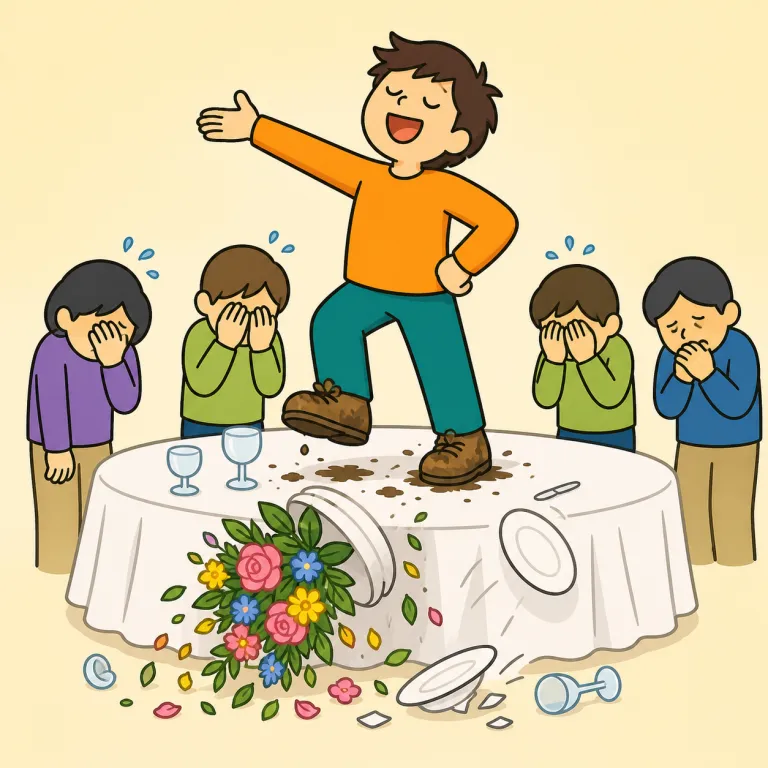
解説 Definition
人や物事について、「周囲に恥をかかせる存在」「面目をつぶすようなもの」を表す可算名詞です。a disgrace to ... の形で、家族・学校・国などにとって不名誉な存在だと強く非難するときによく使われます。
A person, action, or thing that brings shame on a family, organization, or community. This countable noun expresses strong criticism of something that damages the reputation of those connected with it.
覚え方のコツ Memory Tip
grace には品位や名誉のイメージがあり、disgrace はそれを失わせる「不名誉」や「恥さらし」を表す。特に a disgrace to the family や a disgrace to the school の形で、その集団の面目をつぶす人や行為を強く非難する。単なる embarrassment「気まずさ」より、名誉を傷つけたという厳しい響きがある。
Learn "a disgrace to ..." as a complete phrase for someone or something that brings shame on others. Picture behavior that damages a school's good name and connect it with "a disgrace to the school."
例文
His rude behavior at the ceremony was a disgrace to the family.
式典での彼の無礼な振る舞いは、家族の恥さらしだった。
The team's careless work was a disgrace to the school.
そのチームのずさんな仕事は学校の恥さらしだった。
They called the corrupt official a disgrace to the city.
彼らはその汚職役人を市の恥さらしだと呼んだ。
disgrace の類義語・関連語
disgrace の語源・成り立ち Etymology
フランス語 disgrace、さらにイタリア語 disgrazia を経て、ラテン語 gratia「恩恵、好意、優美」に由来します。dis-「反対・欠如」+grace なので、「恩寵や品位を失った状態」が原義で、そこから「恥辱」の意味になりました。grace, gracious が近縁です。
Disgrace came into English through French and Italian from Latin gratia, meaning "favor," "kindness," or "grace." With the prefix dis-, meaning absence or reversal, it originally suggested the loss of favor, honor, or dignity. From that, it developed into the modern sense of shame or dishonor. Related words include grace and gracious.
同じレベルの語彙をもっと
英検準1級の一覧へ →外部辞書で調べる
この英単語をクイズで覚えよう