意味一覧 (2件)
葉
解説 Definition
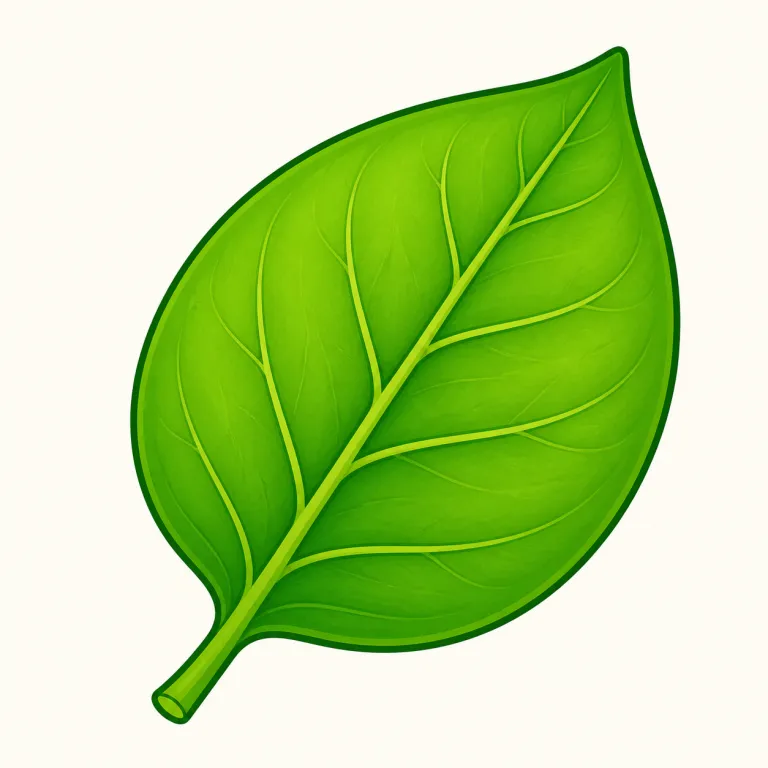
木や草の枝やくきについている、うすくて平たい緑色の部分です。光を受けて植物が育つための大切な部分です。
A leaf is the thin, usually green part of a plant that grows from a stem or branch. It helps the plant get light and make food.
覚え方のコツ Memory Tip
leaf は、木や草の枝や茎についている「一枚の葉」を指す基本語です。緑の葉が光を受けている絵を思い浮かべ、a green leaf on the tree と場面ごと覚えると定着しやすいです。複数形は leafs ではなく leaves になる点も大切。fall は「落ちる」と「秋」の両方を表すので、A leaf falls in fall.「秋に葉が一枚落ちる」という文にすると、葉の姿と単語の形を一緒に思い出せます。
Think of one green piece on a tree or plant. When you hear leaf, picture a single green leaf.
例文
A green leaf is on the tree.
木に緑の葉がついています。
This leaf fell from that tree.
この葉はあの木から落ちました。
A leaf falls in fall.
秋に葉が落ちます。
(本などの)一葉、紙1枚
(意味 2)
解説 Definition
leaf は本・ノート・写本などを構成する一枚の紙を指し、通常は表裏の二ページ分に当たる。植物の葉ではなく、書物や印刷物で紙そのものを数える語で、製本や書誌の文脈で使われやすい。page が片面やページ番号を表すのに対し、leaf は物理的な一葉を表す。
A leaf can mean a single sheet of paper, especially in a book, manuscript, or official document. In this use, it refers to one physical piece of paper, not necessarily one printed page. This meaning is more formal or specialized than the everyday plant meaning of "leaf."
覚え方のコツ Memory Tip
まず基本の leaf=「葉」を起点にしつつ、「薄くて平たい1枚」という共通イメージで覚えると残りやすいです。book leaf は本の中の紙1枚そのものを指し、表と裏の2ページ分を含みうるので、page(読む面)とはズレます。sheet は単なる紙1枚、leaf は綴じられた本の一葉、という対比も有効です。辞書・写本・製本の説明で overleaf や on the next leaf のように出たら、この専門的な意味だと判断すると定着します。
This `leaf` is not from a tree. Think of one physical sheet inside a book, with two sides, while a `page` is just one side you read. `Sheet` is any piece of paper, but `leaf` is a bound sheet in a book.
例文
Please examine leaf 50 of the manuscript.
写本の50葉目を確認してください。
The atlas contains thick leaves that can be unfolded without tearing.
その地図帳には、破れることなく広げられる厚手の紙が綴じ込まれている。
He counted the leaves before rebinding the manuscript.
彼は写本を製本し直す前に、紙葉の枚数を数えた。
leaf の類義語・関連語
leaf の語源・成り立ち Etymology
古い英語の leaf に由来し、昔から植物の「葉」を表す語として使われてきました。さらに古いゲルマン系の語にもつながると考えられています。
Leaf comes from Old English leaf, meaning a plant leaf. It is related to older Germanic words with the same basic meaning.
同じレベルの語彙をもっと
外部辞書で調べる
この英単語をクイズで覚えよう