リー
解説 Definition
(古風・文語)草地、牧草地。現在は主に詩的表現や地名で用いられる。
An open area of grassy land, especially a meadow or pasture. The noun is now chiefly poetic, archaic, or preserved in place names rather than commonly used in everyday conversation.
覚え方のコツ Memory Tip
lea は古風・文学的な「草地、牧草地」で、森の木々が途切れて光の差す開けた場所を思い浮かべるとよい。現代の日常英語では meadow のほうが一般的。詩や地名では green lea、grassy lea のように現れ、女性名の Lea とは語頭の大文字と文脈で区別する。
Picture a clearing where dense woodland opens into sunlit grass: that scene captures the older sense of lea, “a meadow or pasture.” In modern everyday English, meadow is normally more familiar, while lea often sounds poetic or appears in place names. Look for combinations such as green lea or grassy lea in older writing. Also distinguish the common noun lea from Lea used as a personal name: capitalization and context show whether the text refers to land or a person.
例文
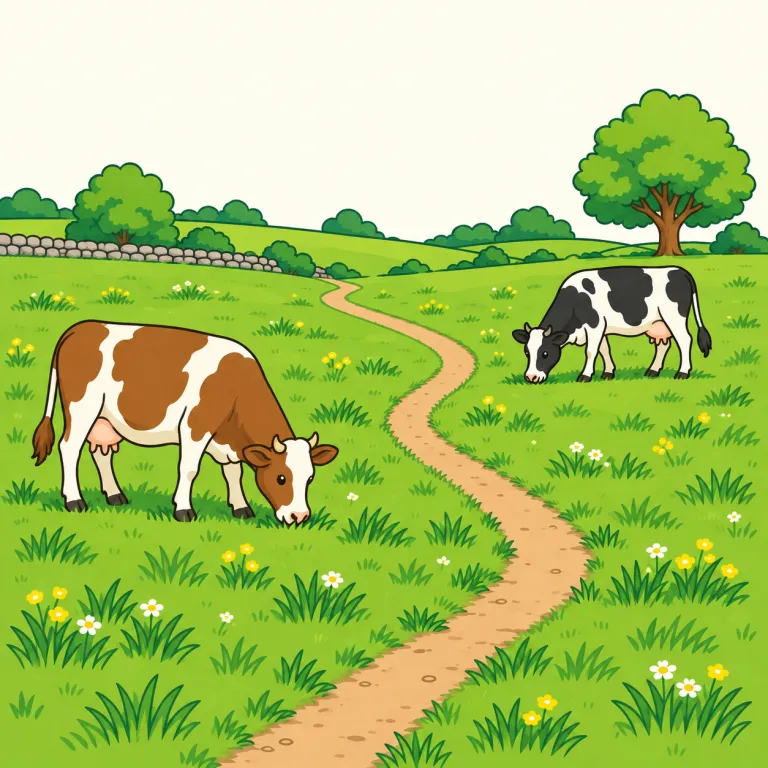
The cattle grazed on the green lea.
牛たちは緑の牧草地で草を食べていた。
A narrow path led across the grassy lea.
細い道が草の生えた野原を横切って続いていた。
lea の類義語・関連語
lea の語源・成り立ち Etymology
古英語 lēah(森の中の空き地、牧草地)に由来。ゲルマン祖語 *lauhaz から派生し、元は「光が差す開けた場所」を意味した。関連語: lawn(芝生)、Leigh(人名)。森を切り開いた草地というイメージが「牧草地」の意味につながる。
Lea comes from Old English lēah, a word used for woodland, a clearing within woodland, or open pasture. It is related to a Germanic group of words referring to wooded or cleared land and survives especially in British place-name endings written -ley, -leigh, or -lea. Its modern literary sense emphasizes an open grassy field or meadow.
同じレベルの語彙をもっと
外部辞書で調べる
この英単語をクイズで覚えよう