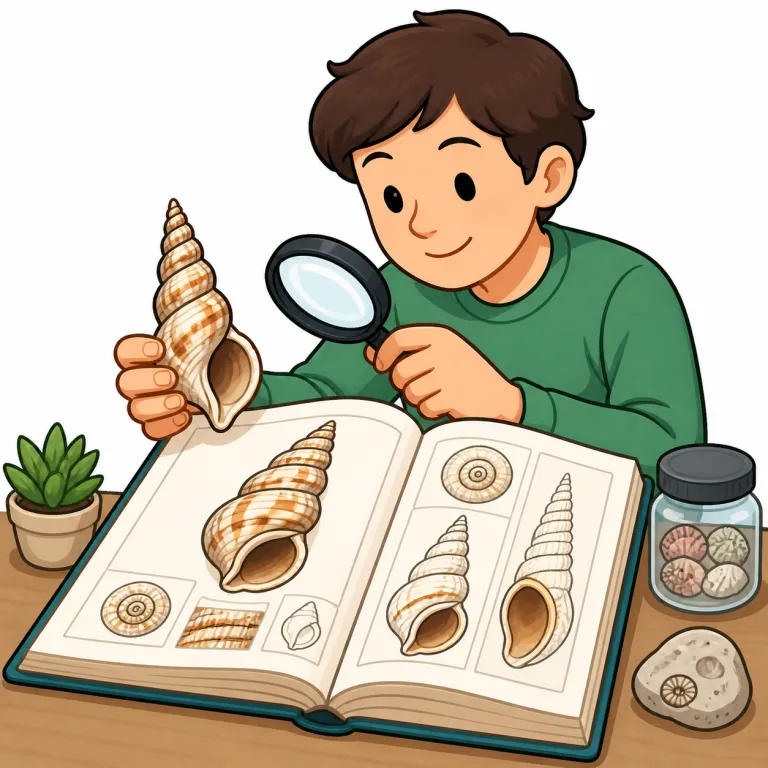
look up
look up は英検準2級レベルの英熟語で、「調べる、見上げる、訪ねる、好転する」という意味があります。発音記号は /ˈlʊk ˈʌp/ です。
調べる
解説 Definition
辞書・本・データベース・インターネットなどを使って、必要な情報を調べることを表す句動詞。意味、連絡先、日程、事実関係などを検索して確認する場面で広く使われ、学習場面から日常会話まで非常に頻度が高い。
To look up something means to search for information about it, especially in a dictionary, book, or online. It is commonly used when you need to find a fact, meaning, phone number, or other detail.
覚え方のコツ Memory Tip
look は「目で見る」、up は句動詞で「情報を表に引っぱり上げる」感覚だと押さえると覚えやすいです。look up は、頭の中で考えるのでなく、辞書・検索・名簿など外部ソースで確認して答えを見つけるときに使います。look up a word, look up his number, look up the train schedule の形が頻出。似た表現の look for は「探す最中」、search はやや広く能動的、look up は「載っている情報を調べる」に寄りやすいです。なお look someone up で「久しぶりに訪ねる」の意味もあるので混同に注意。
`Look` is with your eyes, and `up` can help you picture information coming up from a book or screen. So `look up` is used when you check a dictionary, website, list, or schedule. Remember the contrast: `look for` is trying to find, but `look up` is checking stored information.
例文
I look up this word.
私はこの単語を調べます。
She looks up my name.
彼女は私の名前を調べます。
We look up the time.
私たちは時間を調べます。
見上げる
(意味 2)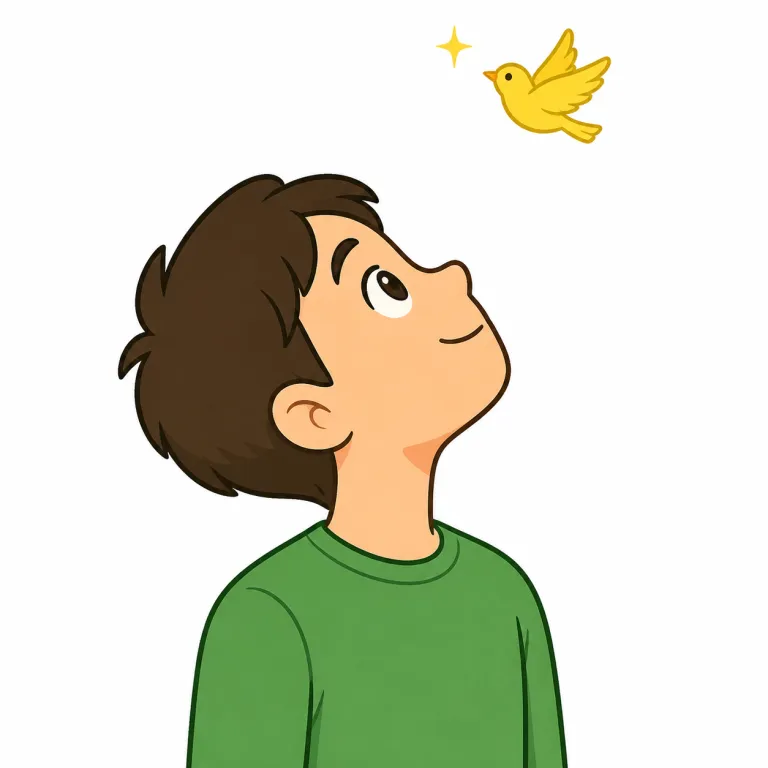
解説 Definition
視線を上に向けて、空や高い建物、人の顔などを見るときの表現です。何かが自分より高い位置にある場面で使われます。見上げた先にあるものへ注意を向ける感じがはっきり出て、驚いたときや音に反応して上を見る場面でも自然です。
To direct your eyes upward toward something above you. You might do this to see the sky, a tall building, or the face of someone standing nearby.
覚え方のコツ Memory Tip
look は『目で見る』、up は『上へ』なので、look up はまずそのまま『上を見る』と押さえると覚えやすいです。空、星、高いビル、相手の顔など、自分より高い位置へ視線を上げる場面で使います。辞書や検索で『調べる』意味もありますが、この行では情報を探すのではなく、首や目線を上に向ける動作が中心。Look up and you’ll see the stars. の形で、見上げた先に何かがある場面ごと覚えると定着しやすいです。
Combine look, meaning to use your eyes, with up, showing the direction. Picture raising your eyes toward stars or the top of a tall building. Connect the phrase with the physical movement of your gaze.
例文
Look up and you'll see the stars.
見上げれば星が見えるよ。
She looked up at the tall building.
彼女はその高いビルを見上げた。
The child looked up when he heard the plane.
その子は飛行機の音を聞いて見上げた。
訪ねる
(意味 3)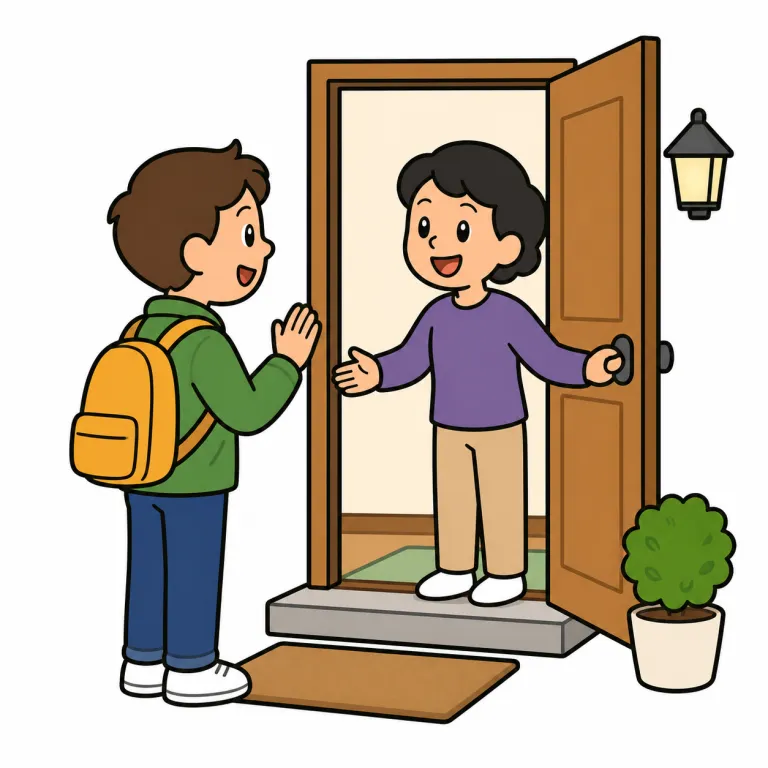
解説 Definition
人を実際に訪問したり、久しぶりの知人に連絡を取ったりするときの表現です。特に近くへ行く機会があるから会いに行く、という文脈でよく使われます。単なる検索の意味とは別で、相手との接触そのものを表します。
To visit or get in touch with someone, especially a person you have not seen for some time. This expression is often used when you will be near where that person lives.
覚え方のコツ Memory Tip
look は『探して見る』、up は『相手を見つけて表に出す』感覚だと、人を訪ねる意味が覚えやすいです。look someone up は、名簿で情報を調べるだけで終わるのではなく、近くに来たらその人に連絡したり会いに行ったりする表現です。look up a word の『調べる』とは切り分けて、目的語が人なら『その人を探し出して訪ねる』と押さえるのがコツ。If you’re in Osaka, look me up. の形でまとめて覚えると自然に使えます。
Picture finding an old friend's contact details so you can reconnect during a visit to their city. Remember "Look me up when you're in town" as an invitation to make contact or meet. The invitation and travel context help identify this meaning.
例文
If you're in Osaka, look me up.
大阪に来たら私を訪ねてね。
I looked up an old friend when I visited London.
ロンドンを訪れたとき、昔の友人を訪ねた。
Look us up the next time you're in town.
今度町に来たら私たちを訪ねてね。
好転する
(意味 4)
解説 Definition
状況や運勢、仕事などが前より良くなってきたと言うときの表現です。問題が続いたあとに希望が見え始めるような、前向きな変化を含みます。人そのものより物事の成り行きについて使われることが多く、先行きが明るくなる感じを出せます。
To improve or begin to seem more hopeful, especially after a difficult period. This expression usually describes a situation, business conditions, or someone's prospects.
覚え方のコツ Memory Tip
look は『見える』、up は『上向き』と考えると、look up は『物事の見え方が上向きになる』と覚えやすいです。Things are looking up. は、辞書で何かを調べるのではなく、状況や運勢が前より明るく見えてきたという意味。人を訪ねる look someone up とも別で、主語は business, things, prospects など物事の流れになりやすいです。下がっていたグラフが少し上向く場面を思い浮かべると定着しやすい。
Imagine a graph that begins to rise after falling for a while. Connect up with improvement and remember "Things are looking up." The subject is usually a situation or how events are developing.
例文
Things are finally looking up for our team.
私たちのチームの状況はようやく好転してきた。
After a difficult year, business is starting to look up.
厳しい一年のあと、事業は好転し始めている。
Don't worry. Things will look up soon.
心配しないで。状況はもうすぐ好転するよ。
look up の類義語・関連語
look up の語源・成り立ち Etymology
look up は古英語 locian 由来の look と、古英語 up/uppe「上へ」の結合。もとは「目を上げる」だが、視線を向けて探す感覚から「辞書や資料で探し出す」へ広がり、今の「調べる」になりました。関連語は lookout, outlook。
`Look up` joins `look`, from Old English, with `up`, also from Old English. At first it meant simply raising your eyes upward. From the idea of directing your eyes to search for something, it later developed the meaning of finding information in a book or other source.
同じレベルの語彙をもっと
英検準2級の一覧へ →外部辞書で調べる
この英熟語をクイズで覚えよう