ひどく面倒なこと、最悪の状況
noun 名詞英国英語のくだけた用法で、非常に面倒、不快、または失敗続きの状況を指します。a complete mare などと言い、nightmare を短くした表現なので、正式な場面では避けられます。
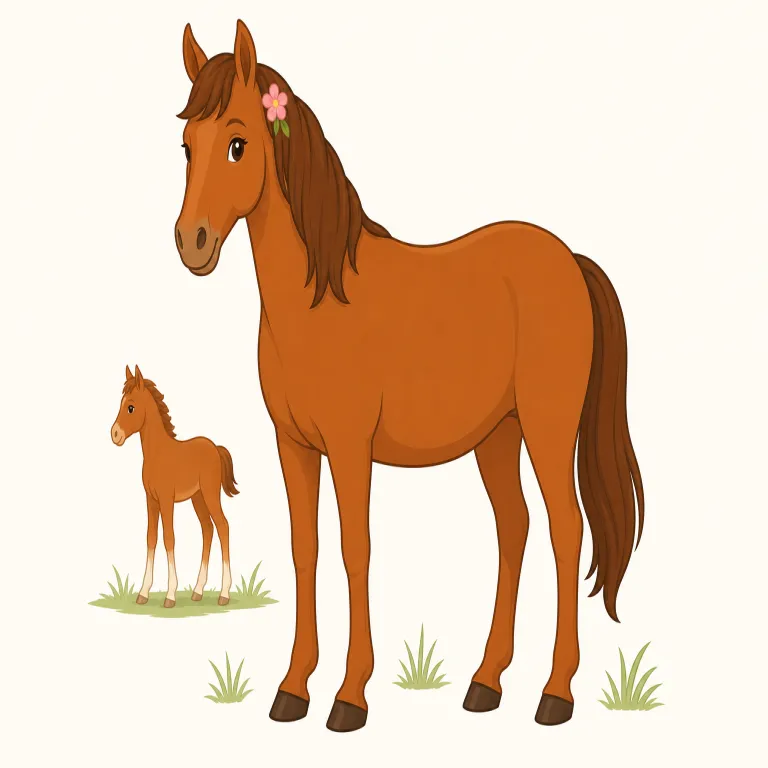
成熟した雌馬を指します。乗馬や競馬で使用される、出産可能な年齢に達した牝馬全般を意味します。
A mare is an adult female horse. This word is mainly used when talking about horses in farming, riding, or racing. It is the female form of a horse, especially after it is fully grown.
horse が基本語で、性別まで区別したいときに mare が出る、と整理すると覚えやすいです。対になるのは stallion「成雄馬・種牡馬」で、mare はその雌側。さらに filly は「若い雌馬」なので、成長した雌が mare という対比も強い記憶フックになります。競馬や牧場では a mare, brood mare, mare and foal のように出やすく、単なる horse よりも『成熟した雌』という限定が重要です。mere や mayor など形の似た別語と混同しないよう注意。
Think of `horse` as the general word, and `mare` as the more specific female side. Match it with `stallion` for the male side, and with `filly` for a young female horse. That contrast helps fix `mare` as the adult female word.
The mare gave birth to a beautiful foal.
その雌馬は美しい子馬を産んだ。
He rode his favorite mare every morning.
彼は毎朝お気に入りの雌馬に乗った。
The mare was gentle and perfect for beginners.
その雌馬は穏やかで、初心者に最適だった。
文脈によって、次の意味でも使われます。
英国英語のくだけた用法で、非常に面倒、不快、または失敗続きの状況を指します。a complete mare などと言い、nightmare を短くした表現なので、正式な場面では避けられます。
mare は古英語 mīere に由来し、さらにゲルマン祖語 *marhijō にさかのぼる、接頭辞のない古い基本語です。ドイツ語 Mähre や古ノルド語 merr と同根で、horse と別に雌馬専用の語が残ったことに、人と馬の近い暮らしが見えます。
"Mare" comes from Old English "mīere," from Proto-Germanic *marhijo. It is related to German "Mähre" and Old Norse "merr," showing that Germanic languages kept a special old word for a female horse. Over time, English kept it as the usual word for an adult female horse, separate from the more general word "horse."
この英単語をクイズで覚えよう