充填材、シーリング材
noun 名詞建築や自動車修理などで、隙間や接合部を埋めて密封する柔軟なペースト状材料を指す。天然のマスチック樹脂そのものに限らず、防水・接着・目地処理に使う各種の材料に用いられる。
mastic はTOEIC 990・TOEFL 100・IELTS 7.5レベルの英単語で、「マスチック」という意味があります。発音記号は /ˈmæstɪk/ です。
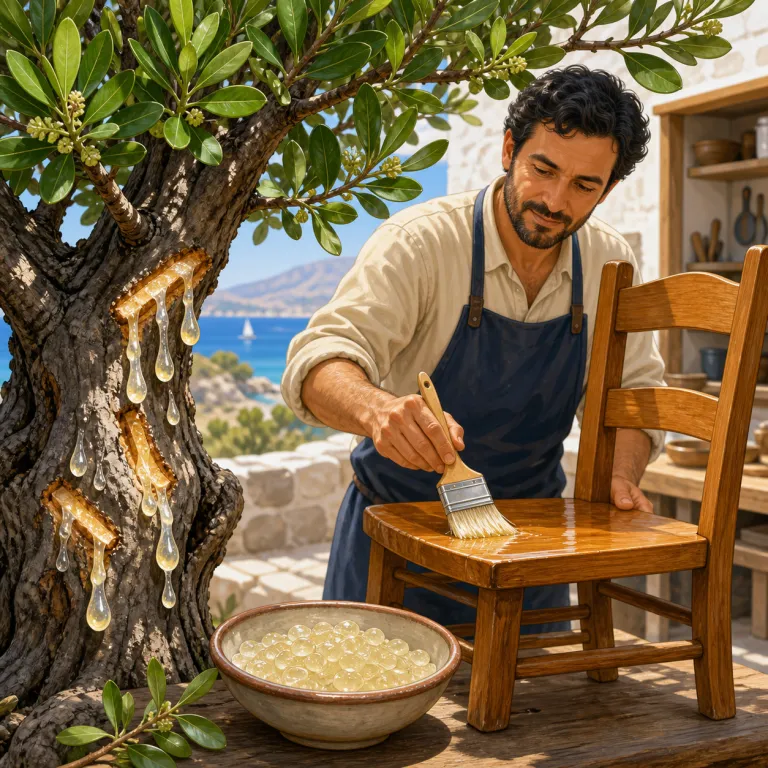
マスチックツリーから採取される樹脂。ニス、接着剤、医薬品などの材料として使用される。古くから中東やギリシャで利用されてきた。
Mastic is a thick substance used as a glue, sealant, or coating, especially in building or repair work. It can also mean a natural resin from certain trees. The exact meaning depends on the context, but both uses involve a sticky material.
単独では覚えにくいので、masticate(かむ)を知っているならそこを足場にすると残りやすい。mastic は「噛める樹脂→樹脂そのもの」とつなげると、昔はガムのように噛まれた天然樹脂だとイメージできる。意味は植物名ではなく材料名として押さえ、varnish, adhesive, medicine など“塗る・貼る・薬に使う”文脈で出る語。plastic や putty のような人工材料と混同せず、中東やギリシャで使われた天然樹脂という芯を固定すると忘れにくい。
If you know `masticate`, use that as a memory hook. `Mastic` was a natural resin that people could chew, so the word connects to a sticky plant material. Try to remember it with material words like `varnish`, `adhesive`, or `resin`, not with modern artificial products.
The artisan applied mastic resin to seal the wooden furniture.
職人はマスチック樹脂を塗って木製家具を防水した。
Mastic has been used in traditional medicine for centuries.
マスチックは何世紀も前から伝統医学で使われてきた。
The varnish contains a high concentration of mastic.
そのニスにはマスチックが高濃度で含まれている。
文脈によって、次の意味でも使われます。
建築や自動車修理などで、隙間や接合部を埋めて密封する柔軟なペースト状材料を指す。天然のマスチック樹脂そのものに限らず、防水・接着・目地処理に使う各種の材料に用いられる。
mastic はラテン語 mastiche、さらにギリシャ語 mastikhē「マスチック樹の樹脂」から来た語です。語源は「かむ」を表す語と結びつき、樹脂が噛まれていたことを示します。関連語は masticate, mastication です。
Mastic comes through Latin mastiche from Greek mastikhe, the name of the resin from the mastic tree. The Greek word is linked to a root meaning "to chew," because the resin was chewed. That history is also seen in related English words like masticate and mastication.
この英単語をクイズで覚えよう