ためらう、しり込みする
verb 動詞困難、不快、または道徳的に問題だと感じることを前に、行動したり受け入れたりするのをためらう。しばしば boggle at の形で使われる。
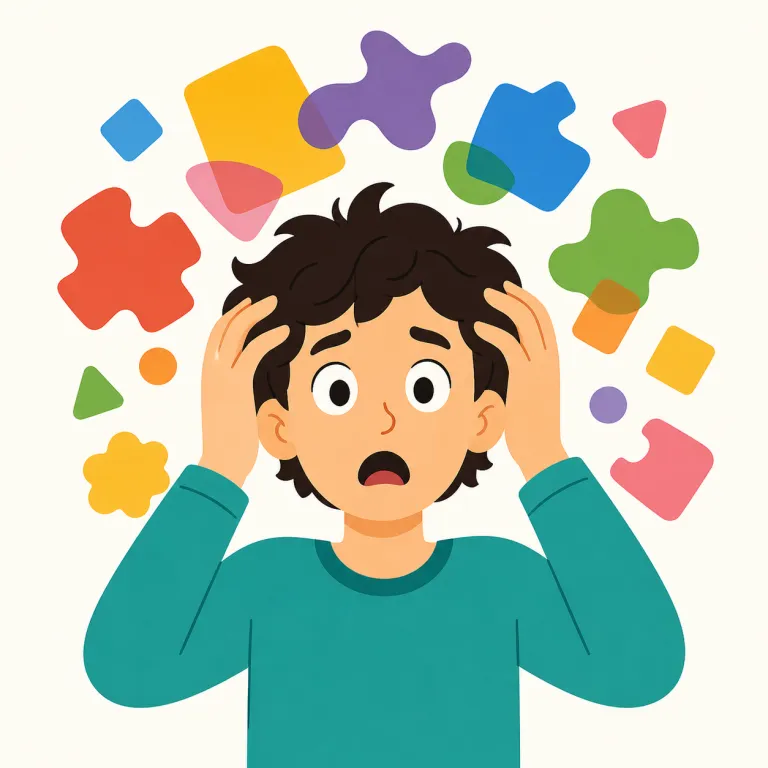
人を驚かせたり、複雑すぎて理解できず混乱させたりする動詞。特に it boggles the mind の形で、あまりに意外・巨大・不可解で、考えると頭が追いつかないという意味でよく使われる。
To boggle means to surprise, confuse, or overwhelm someone's mind. It is often used when something seems hard to believe, too large, or too complicated to understand easily. The phrase "boggle the mind" is especially common.
boggle は「ただ驚く」ではなく、「頭が処理しきれず止まる」とまとめて覚えると残りやすい語です。まず定番の it boggles the mind を丸ごと記憶すると強く、巨大すぎる数字・不可解な事実・複雑すぎる仕組みを見て「考えるほど頭が追いつかない」ときに使います。surprise より理解停止の感じが強く、confuse よりも「えっ、何それ」という圧倒感があるのがポイント。形容詞 mind-boggling も頻出です。
Boggle is not just about surprise; it is about your mind almost stopping because something is too much to process. The fixed phrase "it boggles the mind" is the best memory hook. Also connect it with "mind-boggling," which is very common.
The amount of data boggled the new analyst.
その膨大なデータ量は、新人の分析担当者を混乱させた。
It boggles the mind that the bridge was built so quickly.
その橋があれほど早く建設されたとは、驚くほかない。
The complicated instructions boggled me at first.
私は最初、その複雑な説明書に混乱した。
文脈によって、次の意味でも使われます。
困難、不快、または道徳的に問題だと感じることを前に、行動したり受け入れたりするのをためらう。しばしば boggle at の形で使われる。
boggle は方言語 bogle「お化け」に反復・動作化の -le が付いた形と考えられ、もとは「ぎょっとしてひるむ」が核でした。bogey や bugbear と同根で、混乱する意味も「化け物を見てたじろぐ」感覚から広がったと分かります。
Boggle is thought to come from dialect bogle, meaning "ghost" or "goblin," with the frequentative ending -le. The earliest sense was to start back or hesitate as if frightened by something shocking. From that feeling of sudden fear or confusion, the word later developed the sense of being puzzled or overwhelmed; it is related to bogey and bugbear.
この英単語をクイズで覚えよう