樹脂
解説 Definition
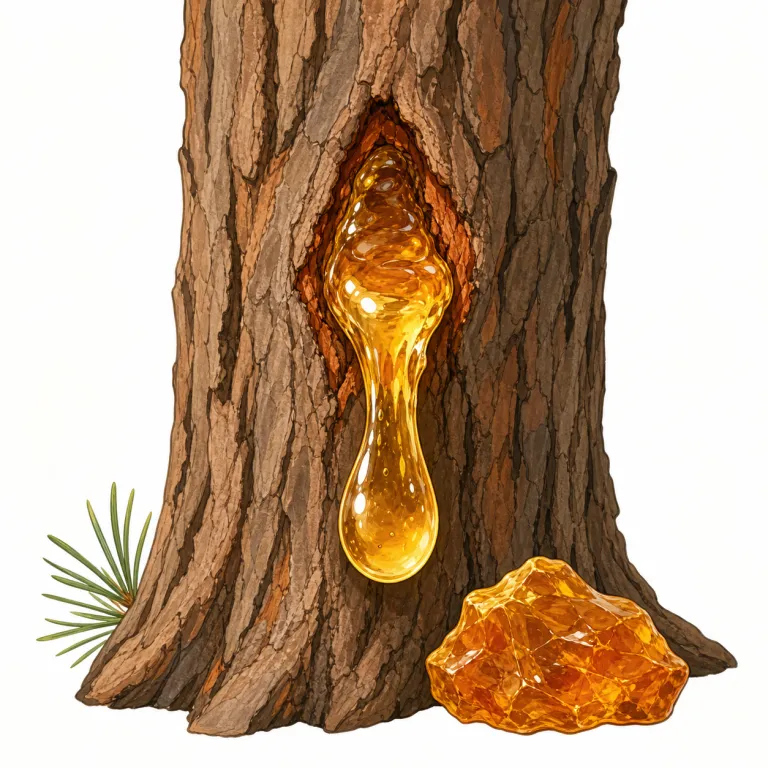
松やになど、植物から出て固まる粘り気のある物質や、それに似た合成物質のことです。接着剤・塗料・プラスチック・工芸品など、天然・合成の材料名として使われます。
Resin is a thick, sticky substance that can come from plants or be made by chemical processes. It is used in products such as plastics, glue, paint, and jewelry. In technical contexts, it often refers to a material that becomes hard after it is processed.
覚え方のコツ Memory Tip
resin はまず "tree sap that hardens" の感覚で入れると残りやすい語です。木から出たベタつく液が固まり、そこから人工の樹脂にも広がったと考えると、天然・合成の両方をつなげて覚えられます。英語では epoxy resin, synthetic resin の形でよく出るので、単独より「材料名の後ろにつく語」として覚えるのが実用的です。似た語の plastic は日常的な素材名、resin はやや工業・化学寄りの響き。rosin とは別語なので混同しないよう注意。
Link `resin` to tree sap that becomes hard. That image helps you remember why the word is used both for natural material and for man-made material. It is often learned best in collocations like `epoxy resin` or `synthetic resin`, which sound more technical than everyday `plastic`.
例文
She used resin to make a colorful ring.
彼女は樹脂を使って色鮮やかな指輪を作りました。
Resin is an important material in modern manufacturing.
樹脂は現代製造における重要な材料です。
The artist used resin to create a beautiful sculpture.
その芸術家は樹脂を使って美しい彫刻を制作しました。
resin の類義語・関連語
紛らわしい語
resin の語源・成り立ち Etymology
resin はラテン語 resina「樹液・樹脂」にさかのぼり、もとは木からにじむ粘る液体を指しました。rosin や resinous も同根で、固まって材料になるイメージを押さえると、「樹脂」が自然物から来た語だと腑に落ちます。
Resin comes from Latin resina, which referred to tree resin or sticky sap. It originally named the thick substance that comes out of trees and later hardens. The meaning stayed close to that natural material as it passed into English. Related words include rosin and resinous.
同じレベルの語彙をもっと
外部辞書で調べる
この英単語をクイズで覚えよう