霧吹きした、細かく噴霧した
verb 動詞植物や物の表面に、霧吹きなどで細かな水滴を吹きかけたことを表す。mist the leaves の過去形・過去分詞として使われ、自然に霧や蒸気で曇った状態ではなく、人が意図的に噴霧する動作に焦点がある。
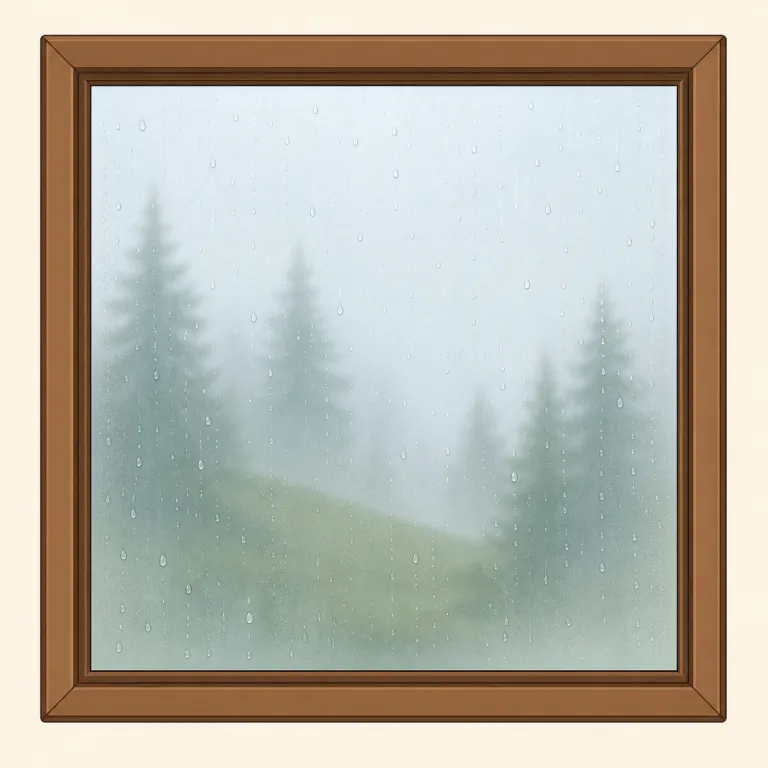
misted はTOEIC 860・TOEFL 80・IELTS 6.5レベルの英単語で、「霧がかかった」という意味があります。発音記号は /ˈmɪstɪd/ です。
霧に覆われた、または蒸気で曇った状態。または感情的に曇らされた、判断が曇った様子。
If something is misted, it is covered with a light mist or tiny drops of water, so it looks less clear. This word is often used for windows, glasses, or the air in cold or wet weather. It can also describe eyes that become slightly unclear because of tears.
mist を知っていれば、「misted = 霧・細かな水滴でおおわれた」と取りやすい。-ed は covered の感覚で、snow-covered と同じく「その状態になった」印。a misted window や misted glasses なら曇った窓・眼鏡。foggy より軽く、表面がうっすら曇る感じ。さらに eyes misted over では「涙で目がかすむ」の比喩にも広がるので、物理的な曇りから感情の曇りへ連想すると残りやすい。
Build it from `mist` plus `-ed`. The `-ed` gives the feeling of being covered or affected, like something lightly covered with fine water. Picture `misted glasses` or a `misted window`, and remember it is usually lighter and softer than `foggy`.
The misted windows made it difficult to see through to the garden outside.
霧で曇った窓のせいで、窓越しに外の庭を見るのが難しかった。
Her eyes were misted with tears as she received the award.
彼女は賞を受け取ったとき、目に涙を浮かべていた。
The misted mountain peaks created a mysterious atmosphere at dawn.
霧がかかった山頂は、夜明けに神秘的な雰囲気を醸し出していた。
文脈によって、次の意味でも使われます。
植物や物の表面に、霧吹きなどで細かな水滴を吹きかけたことを表す。mist the leaves の過去形・過去分詞として使われ、自然に霧や蒸気で曇った状態ではなく、人が意図的に噴霧する動作に焦点がある。
misted は mist「霧」に -ed が付いた形で、mist は古英語 mist、さらにゲルマン系の「細かな水気」にさかのぼります。物が霧でぼやけて見える状態がそのまま語になっており、misty や misting にも同じ情景が残ります。
Misted comes from mist with the ending -ed. Mist is an old Germanic word, found in Old English, referring to fine moisture or light fog in the air. The adjective grew from the idea of something being covered or blurred by mist. Related words include misty and misting.
この英単語をクイズで覚えよう