モンゴル人
/ adjective 形容詞 モンゴルの / adjective 形容詞 モンゴルの
解説 Definition
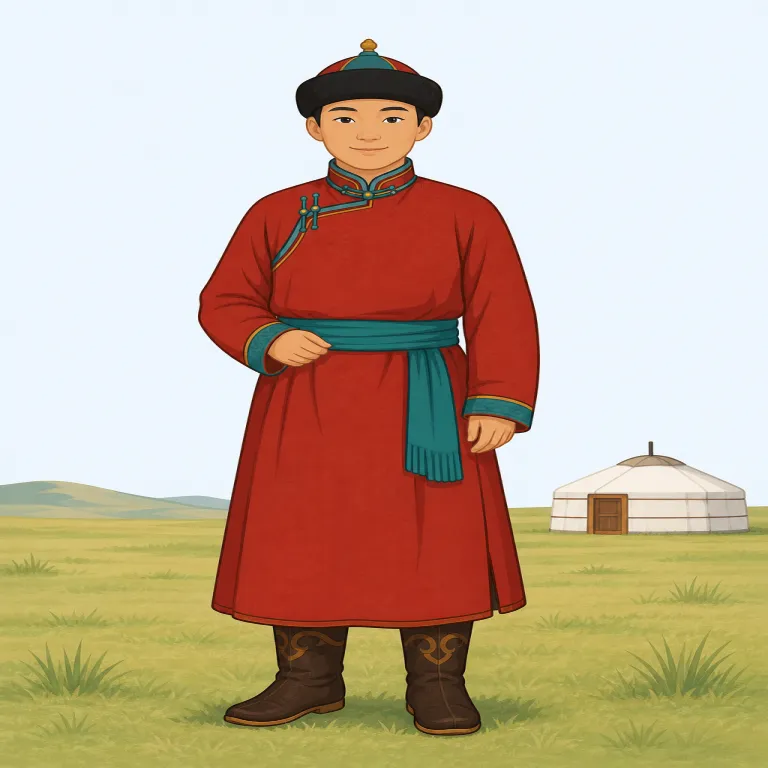
モンゴルの人、またはモンゴル系の人を指します。国や民族に関係して、その人がモンゴルとつながりを持つことを表します。
A Mongolian is a person from Mongolia or a person connected with the Mongolian people. This noun refers to a person, not a place.
覚え方のコツ Memory Tip
Mongolian は Mongolia「モンゴル」に、人・所属を表す -an が付いた語と捉えると覚えやすいです。名詞では「モンゴル人、モンゴル系の人」を指し、国名そのものではありません。A Mongolian taught us a song のように、国際交流の場でモンゴル出身の一人が自国の歌を教える場面を思い浮かべましょう。人を表す普通名詞として使うときは、先頭を大文字にする点も押さえると定着しやすいです。
Think of Mongolia, the country name, plus -an for a person connected with it. A Mongolian is a person from or connected with Mongolia.
例文
A Mongolian taught us a song from his country.
一人のモンゴル人が、母国の歌を私たちに教えてくれました。
She met a Mongolian at the international festival.
彼女は国際フェスティバルでモンゴル人に会いました。
The museum guide was a Mongolian who knew a lot about history.
博物館の案内人は、歴史にとても詳しいモンゴル人でした。
モンゴル語
(意味 2)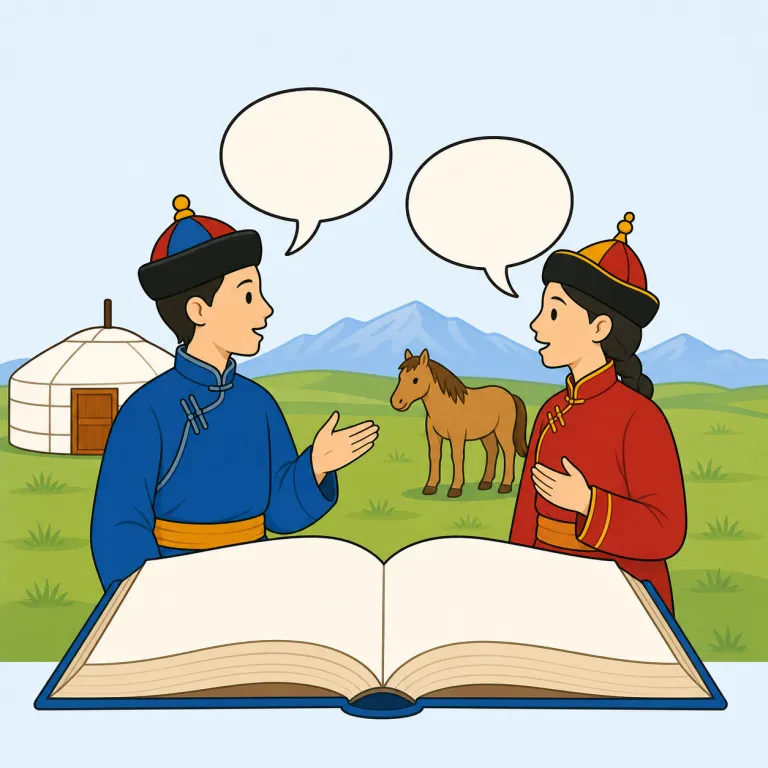
解説 Definition
モンゴルで話される言語を指す名詞。人や国を表す意味とは区別され、話す・学ぶ・翻訳するなど、言語そのものを話題にするときに使う。学習や言語比較の文脈で基本語として重要である。
The language spoken in Mongolia. This noun refers to the language itself, especially as something that people speak, study, write, or translate.
覚え方のコツ Memory Tip
Mongolia(国名)を知っていれば、Mongolian は「モンゴルのもの」と広げ、その中で言語なら「モンゴル語」と覚えると定着しやすい。-ian は Italian, Canadian, Korean などと同じ「その国・地域に属する」の型。learn Mongolian, translate into Mongolian のように、話す・学ぶ・翻訳する対象なら言語名。a Mongolian(人)や Mongolian culture(文化)とは、文中で何を指しているかで切り分けると混同しにくい。
Connect Mongolia with Mongolian, and remember that the ending -ian can mean “belonging to a country or region.” When Mongolian is the object of learn, speak, or translate into, it names the language rather than a person or culture.
例文
He is learning Mongolian for his research.
彼は研究のためにモンゴル語を学んでいる。
This book was translated into Mongolian.
この本はモンゴル語に翻訳された。
Can you write your name in Mongolian?
あなたの名前をモンゴル語で書けますか。
mongolian の語源・成り立ち Etymology
Mongolian は Mongolia「モンゴル」と、関係する人やものを表す -an からできた語です。名詞として使うと、「モンゴルに関係する人」という意味になります。
Mongolian comes from Mongolia plus the suffix -an, which can mean a person connected with a place. As a noun, it means a Mongolian person.
同じレベルの語彙をもっと
外部辞書で調べる
この英単語をクイズで覚えよう