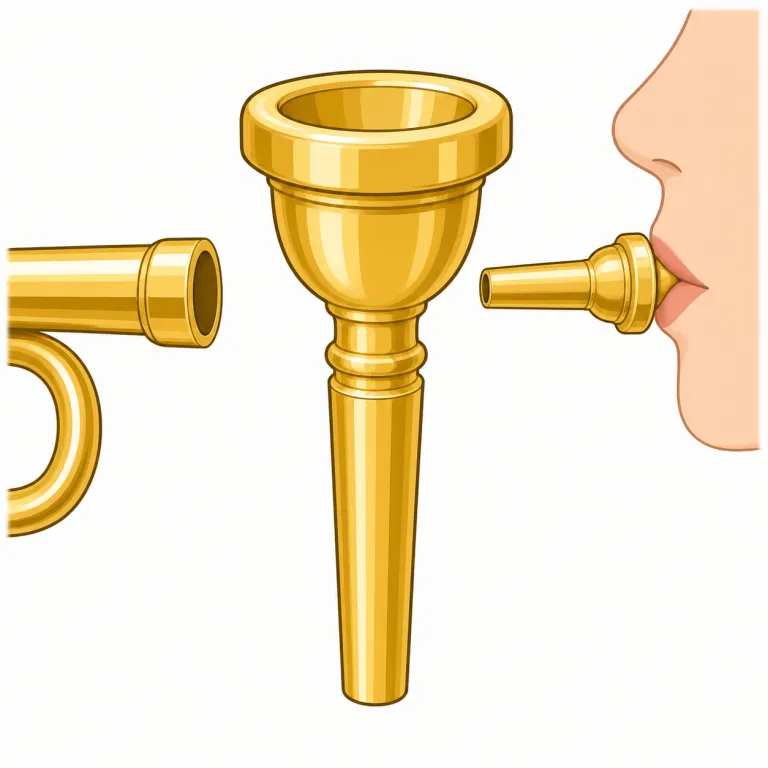
吹き口;代弁者
解説 Definition
「mouthpiece」は、管楽器などで口を当てて息を吹き込む吹き口を指します。また比喩的には、個人や団体の考えを代わりに述べる代弁者、あるいは特定の立場をそのまま伝える広報役のような人を指すこともあります。物理的な部品と人の役割の両方に使われる語です。
A mouthpiece is the part of a musical instrument or device that you put to your mouth to blow into or speak through. It can also mean a person or group that speaks for someone else, especially in politics or the media. In this second meaning, it sometimes suggests that the speaker is not expressing their own views.
覚え方のコツ Memory Tip
mouth と piece が見えれば、まず「口につける部品」→楽器の吹き口が浮かぶ。そこから比喩で、「他人の口の一部のように話す人」=代弁者へ広げると覚えやすい。speaker は単に話す人だが、mouthpiece は自分の意見というより、組織や人物の考えをそのまま伝える役の響きが強い。government mouthpiece のように出ると「政府の代弁役」。spokesperson よりも、場合によっては批判的ニュアンスを帯びる点もセットで覚えると混同しにくい。
Split it into `mouth` + `piece`: first, a piece you put at your mouth, like on an instrument. Then extend that image to a person who speaks like they are someone else’s mouth. That is why `mouthpiece` can also mean a spokesperson, sometimes with a critical tone.
例文
She replaced the mouthpiece on her clarinet before the performance.
彼女は本番前にクラリネットの吹き口を交換した。
The journalist was accused of being a mouthpiece for the company.
その記者は会社の代弁者だと非難された。
The trumpet's mouthpiece was cleaned after the concert.
トランペットの吹き口はコンサートの後で掃除された。
mouthpiece の類義語・関連語
mouthpiece の語源・成り立ち Etymology
mouthpieceはmouth「口」+ piece「部品」から成り、mouthは古英語muth、pieceは古フランス語pieceに由来する。原義は「口に当てる部分」で、そこから楽器の吹き口や比喩的な「代弁者」に広がった。関連語にmouthful、piecemealがある。
Mouthpiece is made from mouth and piece. Mouth comes from Old English muth, while piece came through Old French from Latin roots. The original sense was simply a part placed at the mouth, and from that it widened to mean both a part of an instrument and, later, a person who speaks for someone else.
同じレベルの語彙をもっと
外部辞書で調べる
この英単語をクイズで覚えよう