倍数
解説 Definition
multiples は multiple「倍数」の複数形で、ある数を整数倍して得られる数を表します。
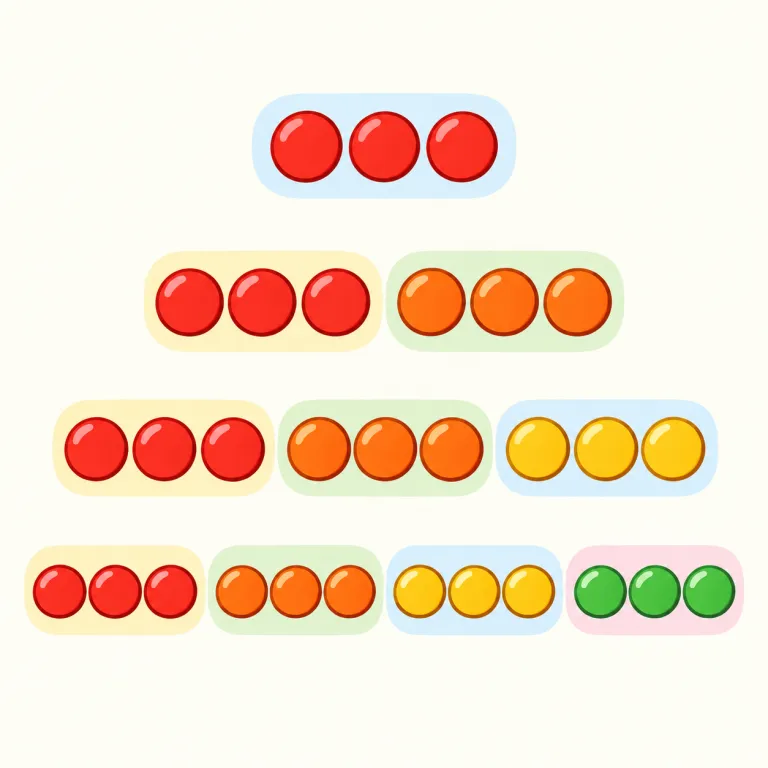
Multiples are numbers obtained by multiplying a particular number by integers. For example, 6, 9, and 12 are multiples of 3 because each can be expressed as 3 multiplied by an integer.
使い方 Usage
使い分け Common distinctions
- factors は「約数」です。3は12の約数で、12は3の倍数という関係になります。 Factors are divisors. For example, 3 is a factor of 12, while 12 is a multiple of 3.
覚え方のコツ Memory Tip
3、6、9、12を一列に並べ、「3を整数倍してできる数々」と覚えましょう。multiple に複数形の -s を付け、語末は /z/ と発音します。
Picture 3, 6, 9, and 12 in a row as numbers made by multiplying 3 by integers. Multiples is the regular plural of multiple, with the final -s pronounced /z/.
例文
Six, nine, and twelve are multiples of three.
6、9、12は3の倍数です。
List the multiples of eight from eight to forty.
8から40までの8の倍数を挙げてください。
multiples の類義語・関連語
紛らわしい語
multiples の語源・成り立ち Etymology
ラテン語 multiplex(多くの折り目を持つ)に由来。multi-(多くの)+ -plex(-plicare=折る)の合成で、「何重にも重なるもの」が原義。数学用語として「倍数」の意味で定着した。関連語:multiply(掛ける)、multiplex(複合の)。
Multiples is the plural of multiple. Multiple comes through French and Latin from Latin multiplex, meaning “having many folds or many parts,” formed with multi-, “many,” and a component related to plicare, “to fold.” The general idea of repeated or manyfold quantity later developed into the mathematical noun for a number produced by multiplying another number by an integer.
同じレベルの語彙をもっと
外部辞書で調べる
この英単語をクイズで覚えよう