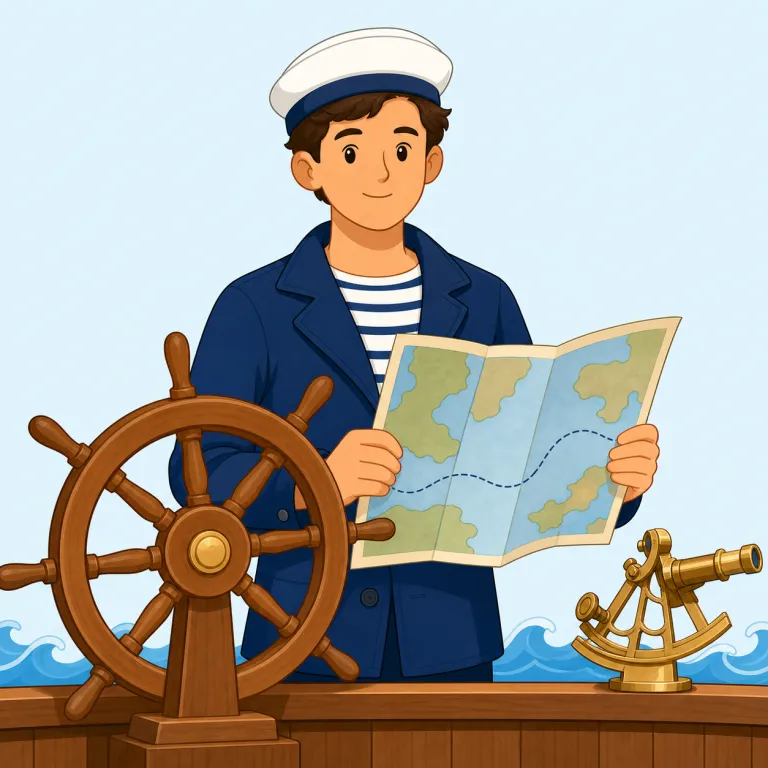
navigator
航海士、案内役
解説 Definition
船や航空機などで現在地や進路を確認し、安全に目的地へ導く役割の人を指す名詞。文脈によっては旅行や計画を導く「案内役」や、車・機器のナビゲーション機能を担当するものにも使われるが、基本は進路判断を行う人の意味が中心。
A navigator is a person whose job is to find the way for a ship, aircraft, or other vehicle. The word can also mean someone or something that guides people through a place, system, or process. It is used both literally and in a wider sense.
覚え方のコツ Memory Tip
navigate を知っていれば覚えやすい語です。navigate は「進路を見て導く」、-or は「その役割の人」なので、navigator で「導く人」。船や航空機では、単に運転する人ではなく、位置・方角・route を確認して安全な進路を判断する人を指すと押さえると残りやすいです。pilot や captain と混同せず、「操縦者」より「進路判断の担当」に寄せて覚えるのがコツ。カーナビの navigator も同じ発想で、人にも機械にも使えます。
If you know `navigate`, `navigator` is easy: `-or` means the person or thing that does the job. A navigator is not just driving; they are guiding the route and checking direction. Think of a ship, a plane, or even a car GPS.
例文
The navigator plotted the ship's course across the ocean.
航海士は大洋を横断する船の航路を定めた。
An experienced navigator helped guide the vessel safely.
経験豊かな航海士が船の安全な航行を助けた。
The navigator used charts and instruments to determine the ship's location.
航海士は海図と計器を使って船の現在地を割り出した。
navigator の類義語・関連語
派生語
navigator の語源・成り立ち Etymology
navigatorはラテン語navigare「船で進む」由来で、navis「船」+ agere「動かす」と分けられます。もとは船を進ませる人なので、現代でも道案内する人や装置を指し、進路を導く役目がそのまま残っています。関連語はnavigate, naval。
Navigator comes from Latin navigare, meaning "to sail" or "to move by ship." This verb is built from navis "ship" and agere "to drive or move." It first referred to a person who guides a ship, then widened to mean anyone or anything that directs a route. Related words include navigate and naval.
同じレベルの語彙をもっと
外部辞書で調べる
この英単語をクイズで覚えよう