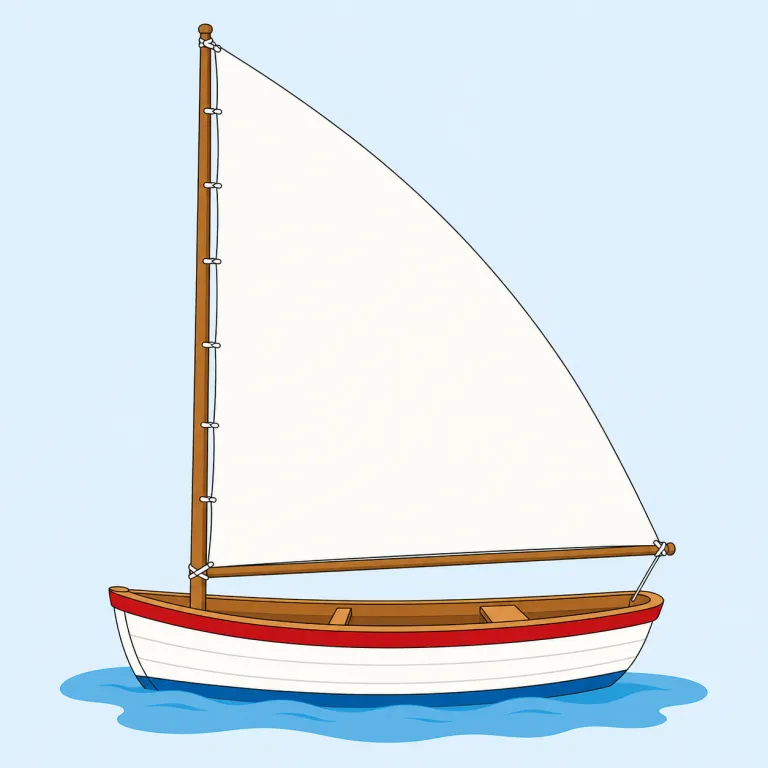
sail
sail はTOEIC 860・TOEFL 80・IELTS 6.5レベルの英単語で、「帆、航海する」という意味があります。発音記号は /ˈseɪl/ です。
意味一覧 (2件)
帆
解説 Definition
風を受けて船を進めるために、マストなどに取り付ける布や膜状の装置を指す名詞。帆船では推進力を生み出す重要な部分であり、風向きに合わせて張り方や角度を調整して速度や進路を変える。
A sail is a large piece of strong cloth attached to a boat or ship to catch the wind and move it forward. It is mainly used on sailing boats. The word usually refers to the cloth itself, not the whole boat.
覚え方のコツ Memory Tip
sail はまず sailboat, sailing などの見慣れた語から逆算すると覚えやすい語です。船が進むのは engine ではなく、風を受ける sail があるから、と場面で結ぶと定着します。名詞では a sail / the sails の形で「帆」、動詞では set sail で「出航する」も頻出。sale(販売)とつづりが1文字違いで紛らわしいので注意。風を受けてふくらむ布の映像と一緒に覚えるとぶれません。
Start from familiar words like sailboat and sailing. A boat moves because the sail catches the wind, so picture a big piece of cloth filling with air. Also watch the spelling: sail is different from sale by just one letter.
例文
The sail was torn in the strong wind.
強風で帆が破れた。
They raised the sail before leaving the harbor.
彼らは港を出る前に帆を上げた。
A red sail appeared on the horizon.
赤い帆が水平線に現れた。
航海する
(意味 2)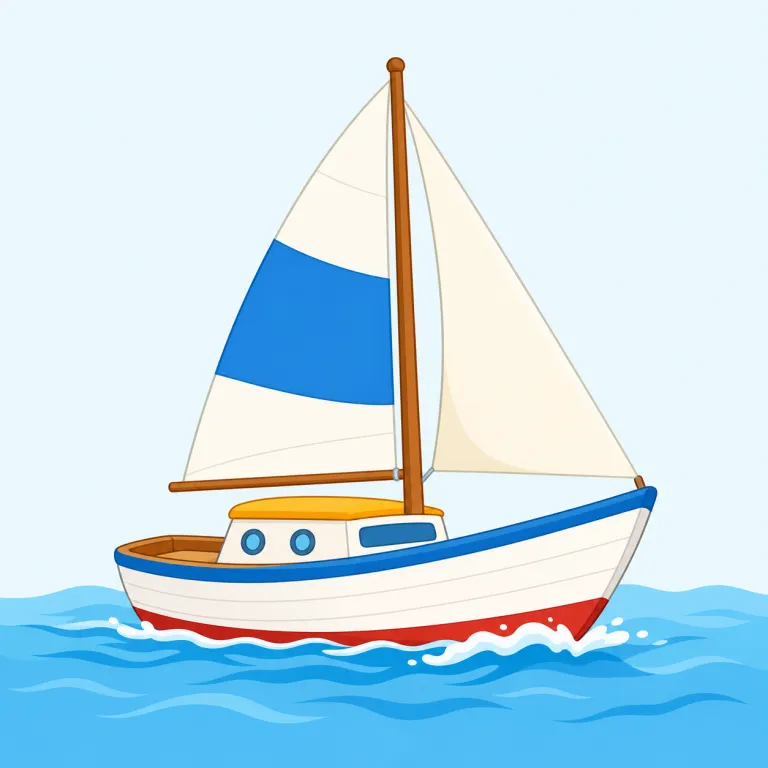
解説 Definition
船で海や川を進むことを表す動詞で、特に帆を使って進む場合によく使われます。日常英語では、ヨットや船で出発する、海を渡る、順調に進むといった文脈でも広く用いられる基本語です。
To travel across water in a boat or ship, especially one moved by wind. It can describe making a voyage or leaving by ship for a destination.
覚え方のコツ Memory Tip
sailboat や sailing の「船で進む」場面と結ぶと覚えやすい語です。動詞の sail は帆で進む場合だけでなく、船で航行することや出航することにも使えます。sail across the bay は「湾を船で渡る」、sail for Australia は「オーストラリアへ向けて出航する」という意味です。名詞の sail「帆」や、sale(販売)とのつづりの違いも併せて押さえましょう。
Use sailboat to picture a boat moving across the water with wind filling its cloth sails. Link that movement to the verb sail, while remembering that the verb can also describe travel on other ships. Sail and sale sound alike but have different spellings and meanings.
例文
We sailed across the bay before sunset.
私たちは日没前に湾を船で渡った。
The ship sailed for Australia last week.
その船は先週オーストラリアへ向けて出航した。
They sailed along the coast on a windy day.
彼らは風の強い日に海岸沿いを航海した。
sail の類義語・関連語
sail を含む表現
句動詞・イディオムなど 2 件。クリックで各表現の詳細へ。
sail の語源・成り立ち Etymology
古英語 segel(帆)からでゲルマン祖語 *seglam に遡る。古ノルド語 segl とも同根。インド・ヨーロッパ語根 *sek-(切る)と関連し、布を「切り取って」作った覆いが原義とされる。関連語: sailing(航海)、sailboat(帆船)。風を受けて進む布という素朴な発想から生まれた語。
"Sail" comes from Old English "segel," from Proto-Germanic "*seglam." It is related to Old Norse "segl" and other Germanic words for a cloth used on a boat. It may go back to an Indo-European root meaning "to cut," probably because the cloth was cut out and shaped for use.
同じレベルの語彙をもっと
TOEIC 860の一覧へ →外部辞書で調べる
この英単語をクイズで覚えよう