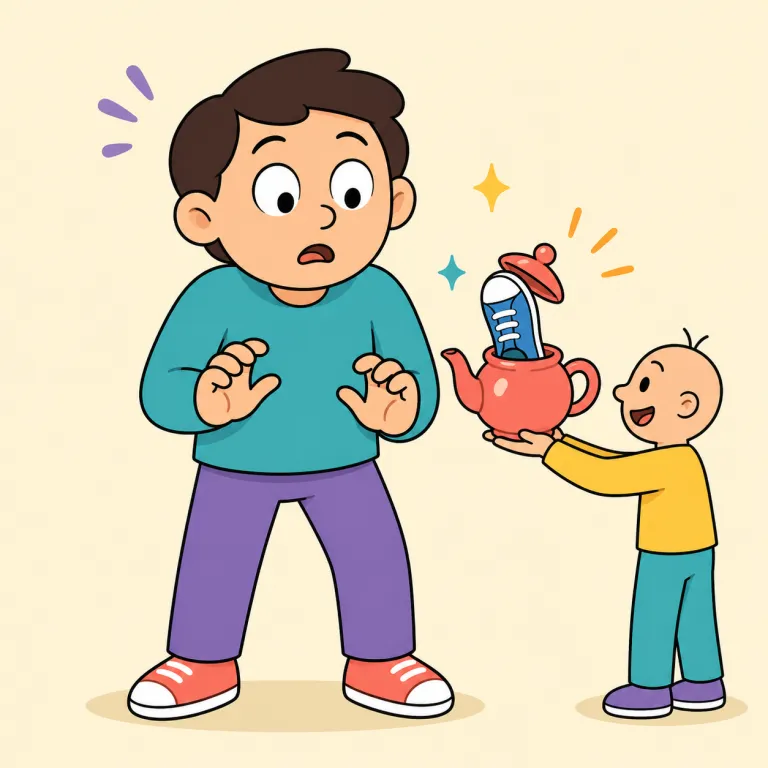
平然とした、動じない
adjective 形容詞主に北米のくだけた用法で、驚いたり動揺したりせず、平然としている状態を表す。伝統的な「当惑した」とほぼ反対の意味になるため、文脈によって解釈が分かれやすく、正式な文章では避けられることもある。
困惑した、当惑した、またはアイデアや質問に直面して狼狽した状態。理解できず戸惑っている。
Nonplussed means confused and unsure how to react or what to say. It is a more formal word and is often used when someone is surprised or mentally blocked by a situation.
まず puzzled を知っているなら、その少し硬めで文語寄りの言い換えとして覚えると定着しやすいです。nonplussed は「興味がない」ではなく、「質問や予想外の出来事にぶつかって、反応が止まるほど当惑した」状態。be nonplussed by a question / the news の形でよく入り、confused より“面食らって言葉に詰まる”感じが強い、と置くと記憶に残ります。見た目の non- に引っぱられて否定語っぽく取り違えないのがコツです。
Treat `nonplussed` as a more formal cousin of `puzzled`. It often describes someone who is so surprised or confused that they stop and do not know how to react. Be careful not to let the `non-` trick you into thinking it means `not interested`.
She looked nonplussed by his unexpected proposal.
彼の予想外の提案に彼女は当惑した表情をした。
The audience was nonplussed by the bizarre performance.
その奇抜なパフォーマンスに観客は困惑した。
He stood nonplussed, unable to respond to the criticism.
彼は批判に返答できず、当惑して立っていた。
文脈によって、次の意味でも使われます。
主に北米のくだけた用法で、驚いたり動揺したりせず、平然としている状態を表す。伝統的な「当惑した」とほぼ反対の意味になるため、文脈によって解釈が分かれやすく、正式な文章では避けられることもある。
nonplussedはnonplusの過去分詞で、もとはラテン語non plus「これ以上ない・もう先がない」です。non+plusに見えても英語の否定接頭辞ではなく、「もう言うことがない」状態から「当惑した」となりました。関連語はplus、surplus。
Nonplussed comes from nonplus, which came from Latin non plus, meaning "no more" or "no further." In Latin, it described a point where nothing more could be said or done. In English, that developed into the sense of being so puzzled that you do not know how to respond. The element plus is the same one seen in words like surplus.
この英単語をクイズで覚えよう