核種
解説 Definition
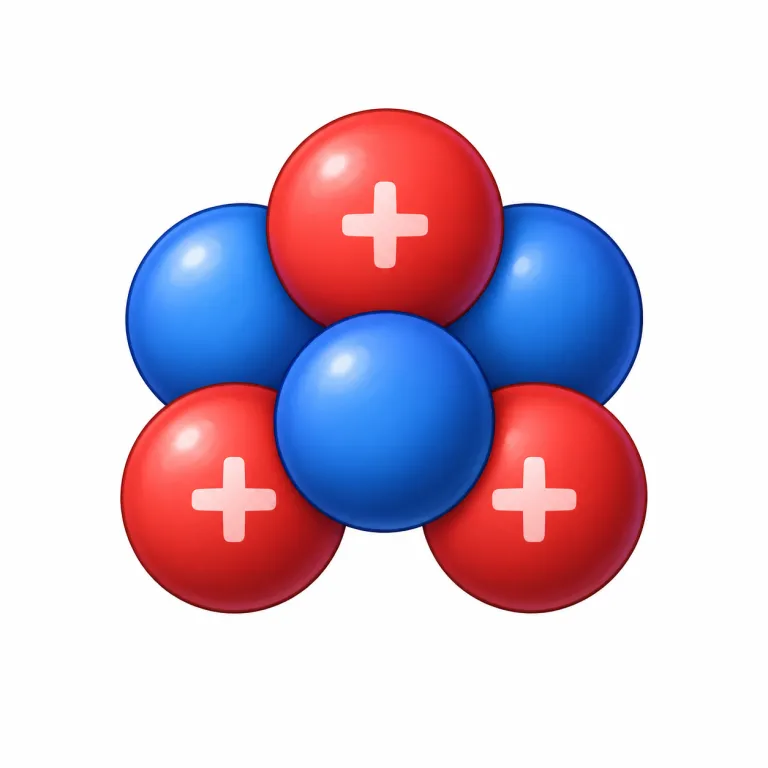
核種。特定の原子番号と質量数を持つ原子核。
A nuclide is a specific kind of atom defined by the number of protons and neutrons in its nucleus. This word is used in physics and chemistry when talking about isotopes and radioactive substances. It is more exact than the general word atom.
覚え方のコツ Memory Tip
nuclear(核の)や nucleus(核)を知っていれば、その仲間の専門語だと押さえると覚えやすいです。まず nuc- = 核 を固定し、-ide は化学・物質名でよく見る語尾だとまとめて認識すると、nuclide は「核で区別される単位・種類」の語感になります。実際には radioactive nuclide(放射性核種)の形で見ることが多め。isotope は「同じ元素内での違い」を強調し、nuclide はより広く核の種類全体を指す、とセットで整理すると混同しにくいです。
The beginning `nuc-` connects it to `nucleus` and `nuclear`, so keep the idea of a nucleus in mind. The word often appears in science phrases like `radioactive nuclide`. To avoid mixing it up with `isotope`, remember that `nuclide` is the broader technical label.
例文
A nuclide is characterized by its number of protons and neutrons.
核種はそのプロトン数と中性子数によって特徴づけられます。
Radioactive nuclides are used in medical imaging.
放射性核種は医療画像診断に使われます。
Understanding nuclides is important in nuclear physics.
核種を理解することは核物理学で重要です。
nuclide の類義語・関連語
類義語
紛らわしい語
nuclide の語源・成り立ち Etymology
nuclide は nucleus「核」+-ide からできた語で、nucleus はラテン語で「小さな木の実・芯」を意味しました。原子の中心を木の実の芯にたとえた語なので、「核の構成で区別される種類」=核種という意味がすっと入ります。関連語は nucleus, nuclear です。
Nuclide was formed from nucleus plus the scientific suffix -ide. Nucleus comes from Latin and originally meant "little nut" or "kernel," which later became a metaphor for a central core. From that image, nuclide came to mean a type identified by the nature of its atomic nucleus, and it is related to nucleus and nuclear.
同じレベルの語彙をもっと
外部辞書で調べる
この英単語をクイズで覚えよう