分子
解説 Definition
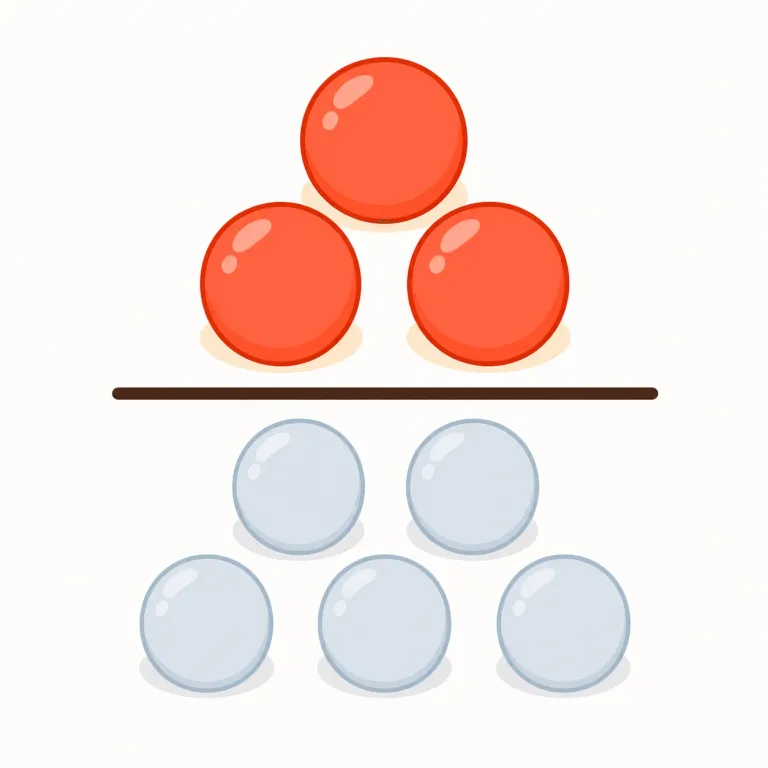
分数の上部の数字。分母で割られるべき数を表す。数学の基本的な概念。
The numerator is the top number in a fraction. It shows how many parts are being counted. This word is mainly used in math.
覚え方のコツ Memory Tip
number・numeral と同じ numer- が見えれば、まず「数に関する語」だと判断できます。fraction では denominator とセットで覚えるのが最短で、numerator は上、denominator は下。意味からひねるより、分数を見た瞬間に「上の数=numerator」と位置で固定すると混同しにくいです。『分母で割られる前の、上にある数』というイメージも有効。numerical など関連語と一緒に見ると numer- の感覚が残りやすく、数学表現での定着も早まります。
Notice `numer-`, the same number root as in `numeral` and `numerical`. Learn it as a pair with `denominator`: `numerator` is the top number, `denominator` is the bottom. A quick visual memory is: when you see a fraction, the number up high is the `numerator`.
例文
In the fraction 3/4, the numerator is 3 and the denominator is 4.
分数3/4では、分子は3で分母は4である。
To multiply fractions, multiply the numerators and denominators separately.
分数を掛け算するには、分子と分母をそれぞれ掛け合わせる。
The numerator must be smaller than the denominator for a proper fraction.
真分数では、分子は分母より小さくなければならない。
numerator の類義語・関連語
対義語
numerator の語源・成り立ち Etymology
numerator はラテン語 numerare「数える」由来で、語根 numer-「数」に行為者を表す -tor が付いた語です。分数では『いくつ分あるかを数えて示すもの』という感覚で、関連語に number、numeral があります。
Numerator comes from Latin numerare, meaning "to count," with the agent ending -tor added to the root numer-. It originally meant something like "that which counts." In fractions, it became the part that shows how many parts are being counted. Related English words include number and numeral.
同じレベルの語彙をもっと
外部辞書で調べる
この英単語をクイズで覚えよう