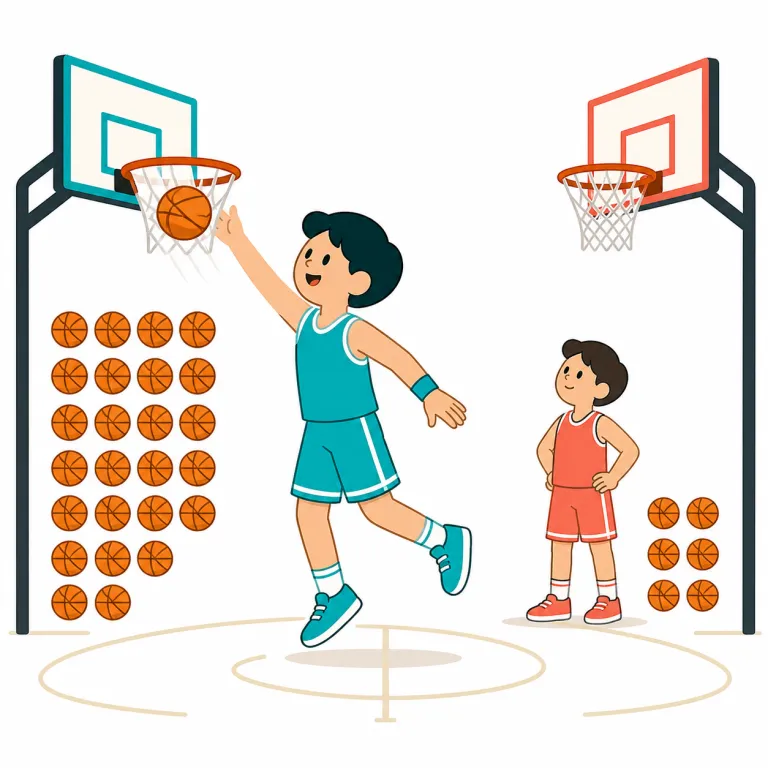
得点で上回る
解説 Definition
試合やゲームで相手より多くの得点を挙げ、点数の面で上回ることを表す語。単なる優勢ではなく、スコアとして勝っていることを示し、チーム同士にも選手個人同士にも使われ、実況や戦評でよく見られる表現。
This means getting more points than another person or team. It is mainly used in sports, games, and competitions. It is the -ing form of outscore and can describe an action or a strategy.
覚え方のコツ Memory Tip
まず base の score「得点する/点を入れる」を確実に押さえ、その前に out- が付くと「相手を上回って」という感覚になるので、outscore で「得点で上回る」と取りやすいです。単なる win や beat よりも、勝ち方の中身が“点数差”にあるのがポイント。スポーツ記事では outscore the opponent, outscoring teams in the second half のように、試合全体や特定時間帯で相手より多く点を取る場面でよく出ます。
Keep `score` as the base idea, then notice `out-`, which often gives the sense of doing better than someone else. So `outscore` means getting more points than the other side. It is a useful sports word because it focuses on points, not just winning in general.
例文
The team is outscoring their opponents in the second half.
そのチームは後半で相手を得点で上回っている。
By outscoring the competition, they secured first place.
ライバル勢を得点で上回ったことで、彼らは1位を確保した。
He was outscoring all other players on the basketball court.
彼はバスケットボールコート上のほかの選手全員を得点で上回っていた。
outscoring の類義語・関連語
類義語
派生語
outscoring の語源・成り立ち Etymology
outscoring は out-『上回って外へ』+ score『得点する』+ -ing から成ります。score は古ノルド語 skor『刻み目』に由来し、木に刻んだ tally が点数になったため、scoreboard や scorecard も同じ発想の同根語です。
Outscoring is formed from out-, score, and -ing. Score comes from Old Norse skor, meaning a notch or mark, because people once kept count by cutting marks into wood. The meaning grew from "make tally marks" to "record points," and with out- it became "to score more than another"; related words include scoreboard and scorecard.
同じレベルの語彙をもっと
外部辞書で調べる
この英単語をクイズで覚えよう