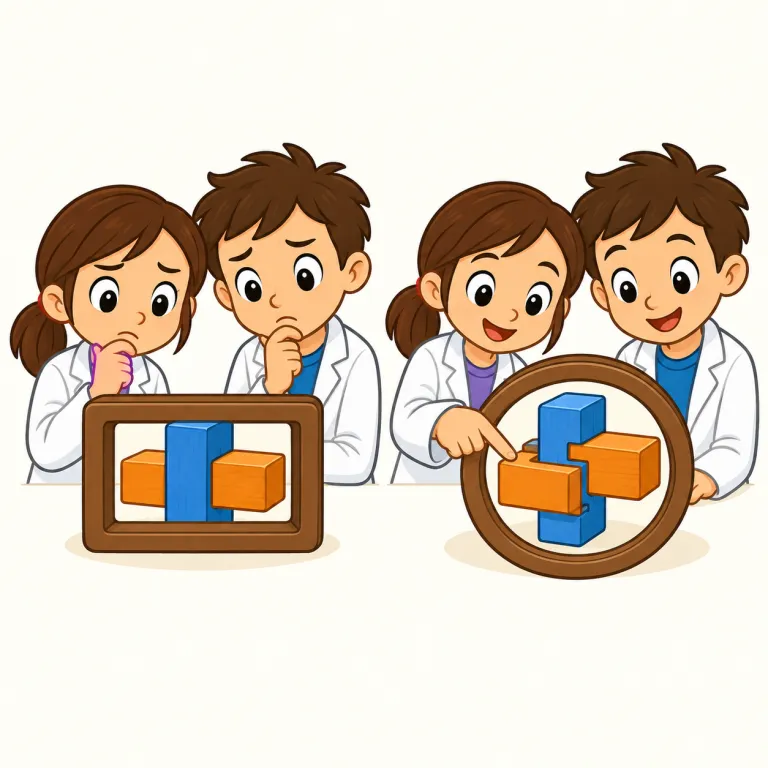
パラダイム
解説 Definition
考え方の枠組み、典型的なモデルという意味です。学問やビジネスなどで、物事を理解したり進めたりする基本的な見方を指します。日本語の「パラダイム」と近いですが、英語では具体的な思考の型や例にも使われます。
A paradigm is a basic model, pattern, or framework that shapes how people understand and approach a subject. It may refer to an accepted way of thinking in a field or to a representative example that provides a pattern to follow.
覚え方のコツ Memory Tip
paradigm はもともと「示して見せる手本」を表し、現代では物事を見る基本的な型や枠組みを指します。theory が説明体系そのものなのに対し、paradigm は何を問題とし、どう考えるかを方向づける前提の枠です。change the paradigm や a new paradigm の組み合わせで覚えましょう。
Connect paradigm with the idea of a model placed before you as an example. In modern academic and business use, it often means the framework that determines what people notice, what questions they ask, and how they interpret a problem. A theory explains something within such a framework, whereas a paradigm is the broader pattern of thought guiding the explanation. Common phrases such as a new paradigm, the dominant paradigm, and a paradigm shift make the meaning concrete: the underlying way of seeing or organizing a subject changes.
例文
The new theory changed the old paradigm.
その新しい理論は古いパラダイムを変えました。
This company follows a simple paradigm for teamwork.
この会社はチームワークについてシンプルな考え方の枠組みに従っています。
A different paradigm helped the researchers see the problem clearly.
別のパラダイムによって、研究者たちはその問題をはっきり見られるようになりました。
paradigm の類義語・関連語
paradigm の語源・成り立ち Etymology
paradigm はギリシャ語 paradeigma「手本・例」に由来し、para-「そばに」+ deik-「示す」から成ります。deictic や deixis と同根で、もとは「示して見せる見本」という感覚から、今の「物事を捉える枠組み」の意味へ広がりました。
Paradigm came through Late Latin paradigma from Greek paradeigma, meaning a pattern, example, or model. The Greek word is associated with para-, “beside,” and a root meaning “show” or “point out,” also found in deixis and deictic. Its early sense was therefore something shown as an example. From the idea of an illustrative model, the word developed its modern sense of a governing conceptual framework.
同じレベルの語彙をもっと
外部辞書で調べる
この英単語をクイズで覚えよう