retaliation
retaliation は英検準1級・TOEIC 990・TOEFL 100・IELTS 7.5レベルの英単語で、「報復」という意味があります。発音記号は /rɪˌtæliːˈeɪʃən/ です。
報復
解説 Definition
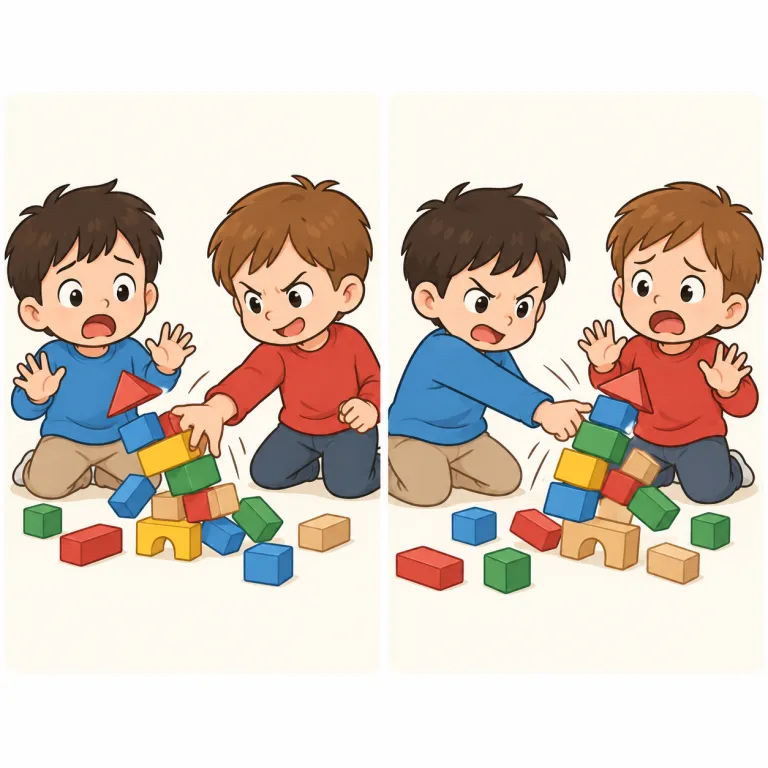
相手が危害や不利益を与えてきたと感じた場合に、仕返しや報復行為をすること。自分に降りかかった損害を取り戻したり、相手を懲らしめたりする目的での反撃を指す。特に政治や軍事の場面で使われ、やり返しの連鎖によって対立が深まる危険もある。
Retaliation is the act of hurting someone or doing something harmful in return for what they did first. It is often used in contexts such as conflict, war, crime, or workplace problems. The word usually has a negative meaning and suggests revenge rather than fairness.
覚え方のコツ Memory Tip
まず retaliate「報復する」を先に押さえると覚えやすいです。-ion が付くと動作や出来事を表す名詞になり、retaliation は「報復という行為」になります。re- を見たら「相手から受けたものを返す」感覚を持つのがコツ。revenge は個人的な恨みの仕返しにも広く使えますが、retaliation は attack, strike, sanctions などと結びつきやすく、国家・組織が受けた行為への対抗措置という硬い響きがあります。in retaliation for ... も頻出で、ニュース英語と一緒に覚えると定着します。
First learn the verb `retaliate`, then add `-ion` to get the noun. The `re-` can remind you of giving something back after receiving harm. It is often used in serious contexts like `in retaliation for`, `military retaliation`, or `economic retaliation`, which gives it a harder, more formal feeling than `revenge`.
例文
The country threatened retaliation for the attack.
その国は攻撃に対して報復すると警告した。
He feared retaliation after reporting the abuse.
彼は虐待を報告したことで報復されるのを恐れていました。
In retaliation for the attack, they stopped all trade.
攻撃への報復として、彼らはすべての貿易を停止しました。
retaliation の類義語・関連語
retaliation の語源・成り立ち Etymology
retaliation は後期ラテン語 retaliare「同じ種類で返す」からで、re-「返して」+ talio「同害報復」が骨格です。retaliate や talion と並べると、「やられた種類に合わせて返す」ので単なる revenge より“仕返しの対応関係”が強い語だと分かります。
Retaliation comes from Late Latin retaliare, meaning "to pay back in the same kind," from re- "back" and a root linked to talio, equal return or like-for-like punishment. The basic idea is not just revenge, but answering an action with a matching one. That is why the word often suggests a direct response in kind. It is related to retaliate and talion.
同じレベルの語彙をもっと
英検準1級の一覧へ →外部辞書で調べる
この英単語をクイズで覚えよう