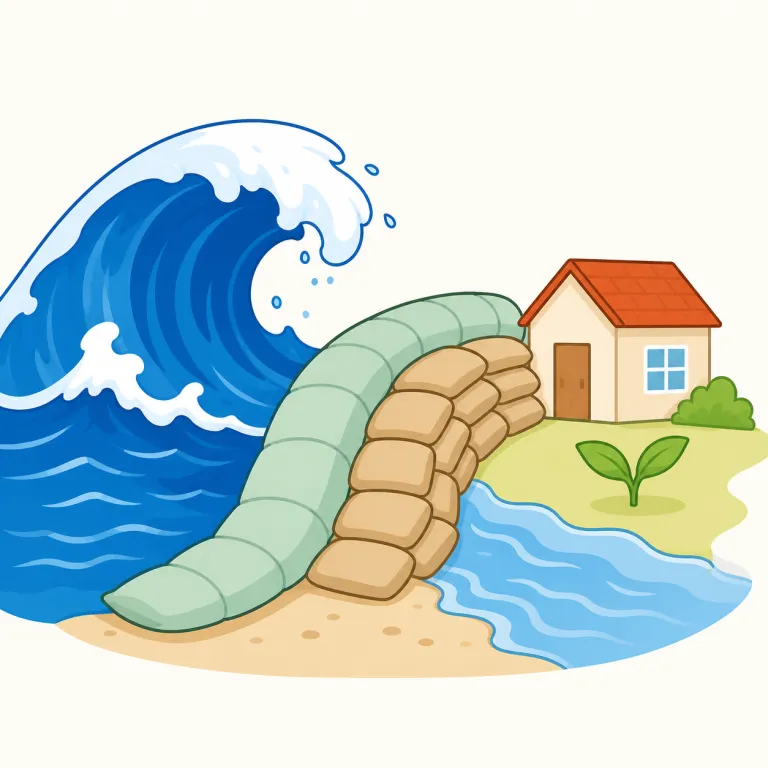
mitigate
mitigate は英検1級・TOEIC 990・TOEFL 100・IELTS 7.5レベルの英単語で、「緩和する」という意味があります。発音記号は /ˈmɪtəˌɡeɪt/ です。
緩和する
解説 Definition
緩和するとは、痛みや苦しみ、厳しさを少なくすることを意味します。何かの悪い状態や影響を軽くすることを表します。
To mitigate something means to make it less severe, harmful, or serious. It is often used in formal contexts such as law, medicine, business, and environmental issues. The word means reducing a problem, not completely removing it.
覚え方のコツ Memory Tip
mitigate は「完全になくす」ではなく「悪い影響を弱める」と押さえると定着しやすい語。reduce よりやや硬く、ニュースやビジネスで mitigate risk, mitigate damage, mitigate the impact の形でよく出ます。pain なら relieve、量を下げるなら reduce、危険や被害を和らげるなら mitigate、という使い分けで覚えると混同しにくいです。名詞 mitigation もセットで。
Remember that `mitigate` does not mean remove completely. It means make something harmful less severe. You will often see it in formal phrases like `mitigate risk`, `mitigate damage`, or `mitigate the impact`. Think: `reduce` is general, but `mitigate` is especially for lessening harm.
例文
Medicine can mitigate the pain.
薬は痛みを緩和できます。
The government took measures to mitigate the crisis.
政府は危機の影響を和らげるための対策を講じました。
Exercise helps mitigate stress.
運動はストレスを緩和するのに役立ちます。
えいたんごクイズでの正答率
この語をはじめて出題された 49人 のうち 34人 が正解しました(69%)。
えいたんごクイズの回答から集計した独自データです。1人につき最初に出題されたときの1回だけを数えており、復習や2回目以降の回答、「わからない」と時間切れは含みません。 集計時点は 2026年9月19日 です。
mitigate の類義語・関連語
mitigate の語源・成り立ち Etymology
ラテン語 mitigare に由来し、mitis「柔らかい、穏やかな」+ agere「動かす・する」と解されます。もともと『荒さをなだめて穏やかにする』感覚で、そこから痛みや被害を『緩和する』へ。関連語は mitigation, unmitigated。
Mitigate comes from Latin mitigare, usually explained as mitis meaning "soft" or "gentle" and agere meaning "to do" or "drive." The original sense was making something harsh become mild. From that, English developed the meaning of reducing the force, pain, or severity of something; mitigation and unmitigated come from the same source.
同じレベルの語彙をもっと
英検1級の一覧へ →外部辞書で調べる
この英単語をクイズで覚えよう